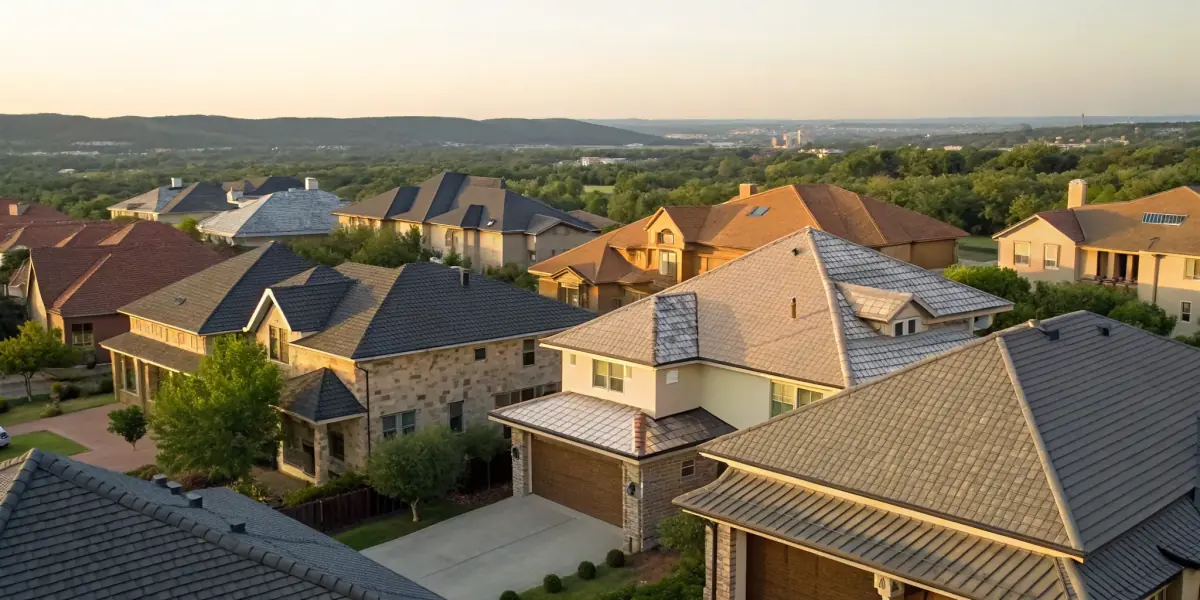
Here in Texas, a roof has to work hard. It stands up to scorching sun, heavy downpours, and the constant threat of hail and high winds. That’s why choosing the right roof—and understanding its cost—is so critical for local homeowners. The average cost of roof replacement in Texas is influenced by these very challenges, from the need for durable materials to local labor rates in cities like Corpus Christi. This isn’t just about putting shingles on a house; it’s about installing a complete system designed to protect your home from our specific climate. In this guide, we’ll cover everything you need to know about budgeting for a Texas-tough roof.
Understanding Average Cost Roof Replacement Texas is essential for making smart decisions about your home. Here is a practical guide from the experts at RISE Roofing.
Figuring out the budget for a new roof is often the first, and biggest, question on a homeowner’s mind. Let’s get right to it. In Texas, the average cost for a full roof replacement typically lands somewhere between $7,000 and $12,000. Of course, this is just a ballpark figure, and the final number can swing quite a bit. Many homeowners might spend anywhere from $5,000 to over $15,000 depending on the specifics of their project.
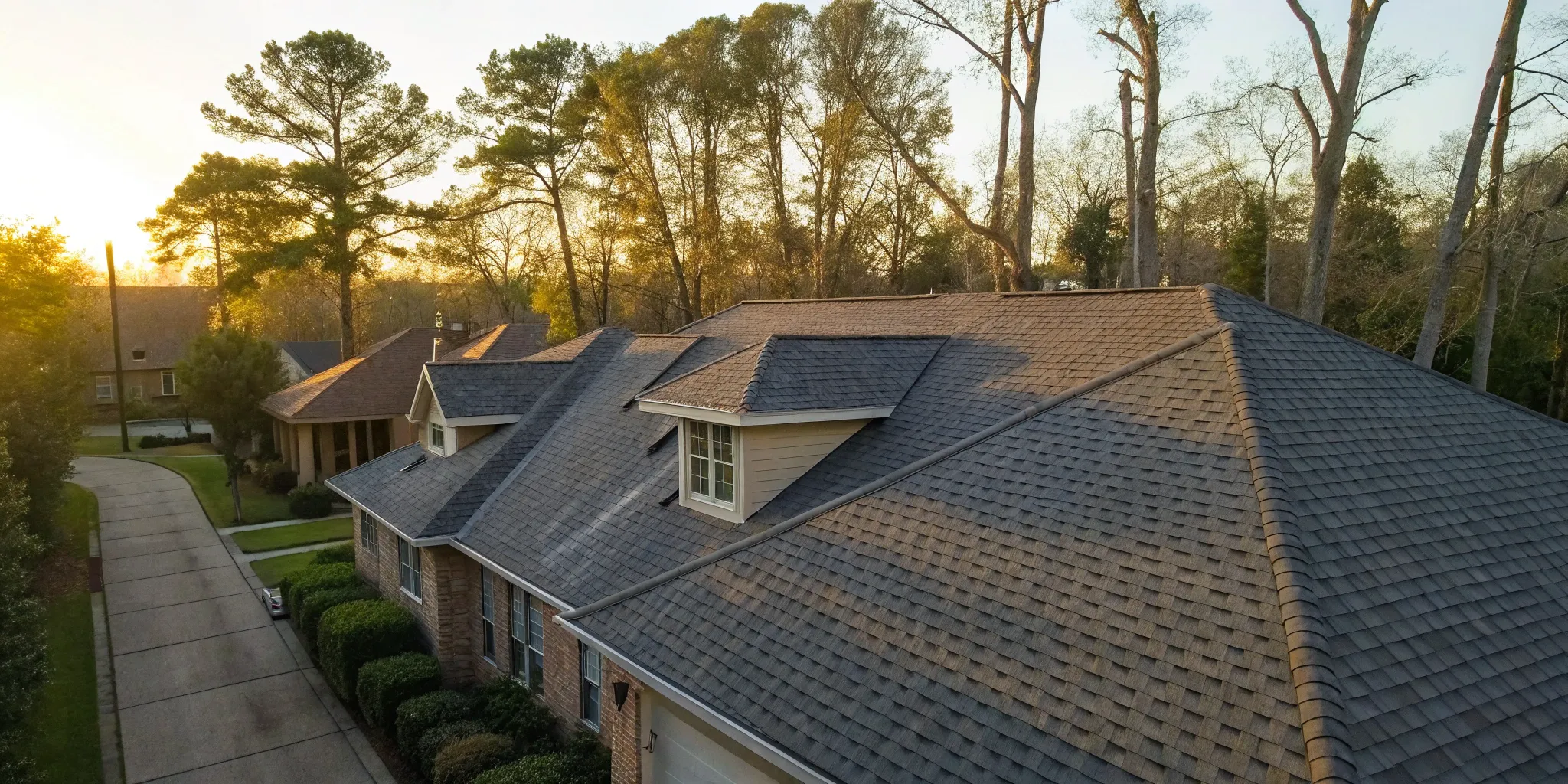
What causes such a wide range? Several key factors play a major role in the final price tag: the total size of your roof, the materials you select, and how complex the installation will be. For example, a simple gable roof is less expensive to replace than one with multiple dormers, valleys, and steep pitches. To give you a more concrete idea, a standard 2,000-square-foot home using common asphalt shingles could see costs ranging from $6,000 to $14,000 or more. To get a more personalized estimate for your home, you can use a roof cost calculator to input your specific details and see a more tailored price range. This helps you move from a general idea to a number that truly reflects your home’s needs.
It makes sense that the bigger the roof, the more it will cost to replace. To give you a clearer picture, let’s look at some typical home sizes. For a 1,500-square-foot roof, you can generally expect the cost to be between $6,700 and $9,100. If your roof is closer to 2,000 square feet, the price range will likely be between $8,900 and $12,100. In the roofing world, you’ll often hear contractors talk in “squares,” where one square equals 100 square feet. For a common 20-square roof (or 2,000 sq. ft.) using asphalt shingles, most homeowners pay between $6,000 and $9,000.
Where you live in the Lone Star State also influences your final bill. Roofing costs aren’t uniform across Texas, largely due to differences in local labor rates and building codes. You’ll find that labor costs for experienced roofers tend to be higher in major metropolitan areas like Corpus Christi, Dallas, and Austin when compared to smaller towns. Because Rise Roofing provides residential roofing services in Corpus Christi, we understand how these regional differences can affect your budget. This local variation is an important factor to keep in mind as you gather quotes and plan for your roof replacement.
When you get a quote for a new roof, you’re looking at a number that reflects several moving parts. It’s not just about the shingles; it’s a combination of materials, labor, and the unique characteristics of your home. Understanding these factors helps you see exactly where your money is going and why one quote might differ from another. Think of it as a recipe—every ingredient plays a role in the final dish. Let’s break down the key components that shape the total price of your roof replacement.
It makes sense that a larger roof requires more materials and more time to install, which increases the cost. But it’s not just about square footage. The complexity of your roof’s design, or its pitch, also plays a major role. A simple, low-slope gable roof is more straightforward to work on than a steep roof with multiple valleys, dormers, and chimneys. These features require more detailed work, custom flashing, and extra safety precautions, all of which add to the labor costs. You can get a preliminary idea of your costs by using a roof cost calculator to input your home’s basic dimensions.
The type of roofing material you select is often the single biggest factor influencing the final price. Your choice impacts not only your budget but also your home’s curb appeal and the roof’s long-term durability. Standard asphalt shingles are the most common and budget-friendly option. However, materials like standing seam metal, stone-coated steel, or classic clay tiles come with a higher upfront cost but offer superior longevity and weather resistance. When you explore residential roofing options, you’re making a long-term investment in your home’s protection and value, so it’s important to weigh the pros and cons of each.
Sometimes, the true condition of your roof isn’t clear until the old shingles come off. Once the underlying structure, or decking, is exposed, we might find issues like soft, rotted wood from a slow leak or damage from pests. This isn’t something you can ignore—building a new roof on a weak foundation is a recipe for future problems. Repairing or replacing sections of the roof deck is a common unexpected expense, but it’s essential for ensuring your new roof is stable, secure, and built to last for decades.
In most Texas cities, including Corpus Christi, a building permit is required for a full roof replacement. The cost of these permits can range from around $50 to $500, depending on your municipality. Additionally, local building codes dictate specific installation standards, such as the type of underlayment required or nailing patterns needed to withstand high winds. Working with a contractor who is an expert in your service area ensures your project is fully compliant, saving you from potential fines and headaches down the road. These costs are a standard part of any professional roofing project.
Choosing the right material for your roof is one of the biggest decisions you’ll make, especially here in Texas. Our weather demands something that not only looks great but can also stand up to intense sun, heavy rain, and hail. The material you pick impacts your home’s curb appeal, energy efficiency, and the final price tag. Let’s walk through the most popular options for Texas homes so you can feel confident in your choice.
There’s a reason you see asphalt shingles on so many homes—they offer a fantastic balance of performance, style, and affordability. With installation costs typically running from $3.50 to $7.50 per square foot, they are one of the most budget-friendly options. But don’t let the price fool you; modern architectural shingles are durable and designed to handle our climate. They also come in a huge variety of colors, making it easy to find a perfect match for your home. You can even use a shingle assistant to visualize different options on a home like yours.
If longevity is your top priority, a metal roof is an excellent investment. While the upfront cost is higher—generally between $5 and $16 per square foot—their 40 to 70-year lifespan often makes them more economical over time. Metal roofs are tough enough to withstand high winds and hail, and they’re also fire-resistant. Plus, their reflective surface can help lower your cooling costs during those scorching Texas summers. Today’s metal roofing options offer a durable and stylish solution for any home.
For a timeless, elegant look, it’s hard to beat clay or concrete tiles. Often seen on Mediterranean or Spanish-style homes, these tiles bring a unique character and are exceptionally durable, lasting a century or more with proper care. They are also completely fireproof. The cost for tile roofing typically ranges from $12 to $25 per square foot. Because tiles are heavy, we always perform a structural assessment to ensure your home can support the weight before beginning a roof installation.
What if you love the look of traditional tile but want the strength of metal? Stone-coated steel roofing gives you exactly that. This material starts with a steel core that’s coated with stone granules, offering the durability of metal with the aesthetic of more conventional materials. It’s lightweight, incredibly resilient against hail and wind, and comes in a wide range of profiles and colors. It’s a premium option that combines sophisticated style with serious performance for your residential roofing project.
When you get a quote for a new roof, the cost of materials is only part of the equation. The other major component is labor, and it’s a big one. In fact, you can expect labor to account for anywhere from 40% to 60% of your total roof replacement cost. It might seem like a lot, but this is where the real value of a professional roofing job comes in.
This cost covers the skilled team that will be working on your home. It pays for their expertise, insurance, and the time it takes to do the job right—from safely tearing off the old roof to meticulously installing the new one and cleaning up afterward. Investing in quality labor means you’re investing in your roof’s long-term performance and the safety of your home. A poorly installed roof can lead to leaks and damage down the road, so paying for experienced professionals is one of the smartest decisions you can make for your property.
That 40% to 60% figure covers a lot of ground. The process starts with tearing off your old roof, which alone can cost between $150 and $300 per square (a 10×10 foot area). This is a physically demanding job that has to be done carefully to avoid damaging your home’s structure. The final labor cost also depends on factors like the complexity of your roof and where you live. In larger cities like Corpus Christi, more competition among roofing companies can sometimes lead to more competitive pricing for homeowners.
Roofing is a seasonal business, and timing can play a role in what you pay. The busiest times for roofers are typically late spring through fall, especially after storm season when demand for repairs and replacements is high. If you have some flexibility, consider scheduling your project during the slower months, like late winter. You might find that contractors have more availability and are sometimes able to offer better pricing. Planning your project during the off-season is a great strategy for planning your budget and can often mean your new roof gets installed faster.
Even with a detailed quote in hand, a roof replacement can sometimes throw a curveball. While a good contractor will do their best to anticipate everything, some issues simply can’t be seen until the project is underway. Planning for these potential costs from the start helps you stay on budget and avoid stress. Think of it as building a small cushion for the “what-ifs.” From hidden structural damage to extra layers of old shingles, let’s walk through the most common unexpected expenses you should be aware of before your roofing team gets to work.
You can’t always see what’s happening underneath your old shingles. Once the tear-off process begins, your roofing crew might find hidden damage to the underlying structure. This often includes soft or rotted wood decking, damaged rafters, or inadequate ventilation that needs to be addressed before a new roof can be installed. Fixing these problems is non-negotiable—your new roof needs a solid foundation to perform its best. While it adds to the bill, addressing these structural issues is a critical investment in the long-term health and safety of your home’s residential roofing system.
Before the new materials go on, the old ones have to come off. This process, known as the tear-off, is a standard part of most roof replacements. However, if your home has multiple layers of old shingles from previous roofing jobs, the removal process becomes more labor-intensive and time-consuming. The cost for tear-off and disposal can range from $1 to $5 per square foot, depending on the complexity and number of layers. A thorough inspection should identify this beforehand, but it’s a variable that can impact your final cost. You can use a roof cost calculator to get a baseline estimate that includes these kinds of variables.
Here in Texas, the weather can be unpredictable. A sudden storm can bring your roofing project to a halt, and these delays can sometimes affect labor costs. After a major weather event, the demand for qualified roofers often spikes, which can also influence pricing across the region. While you can’t control the weather, you can choose a contractor who is experienced in working within your specific service area and knows how to manage projects around local weather patterns. A professional team will take steps to protect your home during any delays and communicate clearly about any changes to the timeline.
A new roof is one of the most important investments you’ll make in your home, and creating a solid budget is the key to a smooth, stress-free process. Thinking about the numbers can feel daunting, but breaking it down into a few simple steps will help you feel confident and in control. From setting a realistic goal to planning for the unexpected, here’s how to build a budget that works for you.
Your first step is setting a clear budget. While the average roof replacement in Texas costs between $7,000 and $12,000, this number can shift based on your home’s size, its complexity, and the materials you choose. Instead of relying on averages, it’s best to get a personalized estimate. Using a roof cost calculator is a great way to get a realistic starting point for your specific project. This helps you move forward with a solid financial plan and avoid surprises down the road.
It’s always wise to plan for the unexpected. We recommend setting aside an extra 10-15% of your total budget as a contingency fund. This covers potential issues that can’t be seen until the old roof is removed, like hidden water damage or rotten decking—common finds on older homes. Think of this fund as a safety net. If you don’t end up needing it, great! But if a surprise pops up, you’ll be prepared to handle it without derailing your project or your finances.
If your roof was damaged in a storm, your homeowner’s insurance may cover a significant portion of the cost. This is especially common in Texas, where hail and wind damage are frequent. Review your policy to understand your coverage and deductible, and be sure to document any damage thoroughly. The claims process can be tricky, but an experienced roofer can often provide guidance. You can also use an insurance claim estimator to get a better idea of what to expect before you file.
A new roof is a big investment, but you don’t have to pay for it all upfront. Many roofing contractors offer financing options that allow you to break down the cost into affordable monthly payments. This makes it easier to get the quality roof you need without depleting your savings. When you talk to a roofer, be sure to ask about their financing plans. It’s a practical way to manage the cost of your residential roofing project and protect your home for years to come.
Getting a quote for a new roof can feel like a big step, but it’s your best tool for making a smart decision. The goal isn’t just to find the lowest price, but to find the best value and a contractor you can trust. A detailed, transparent quote sets the stage for a smooth project from start to finish, giving you a clear understanding of what to expect before the work even begins. To get there, you need to know what to ask and how to compare the information you receive. Let’s walk through how to get a quote you can feel confident about.
Getting at least three quotes is one of the smartest moves you can make when planning a roof replacement. It gives you a clear picture of the current market rate for the work you need done and helps you spot any bids that are unusually high or suspiciously low. This process isn’t just about price shopping; it’s about understanding what different contractors offer in terms of materials, timelines, and warranties. You can get a ballpark idea of what to expect by using an online roof cost calculator, but detailed quotes from professional roofers will give you the specifics you need to compare your options and choose the best partner for your project.
To properly compare your quotes, you need to make sure every contractor is bidding on the same scope of work. Don’t be afraid to ask detailed questions to get the clarity you need. Start with the basics: Will the old roof be completely removed, or will they install new shingles over the top? What is the exact brand and type of shingle they plan to use? You can use a shingle assistant to familiarize yourself with different styles. Also, confirm if the price includes new flashing, underlayment, and ventilation. Finally, ask if costs for a dumpster, site cleanup, and permits are all included in the final number. A reputable roofer will be happy to answer everything.
Once you have a few quotes in hand, resist the urge to just look at the final price. The cheapest option is rarely the best. Instead, lay them out side-by-side and compare the details. Check that each quote specifies the same quality of materials and includes all the necessary steps, like a full tear-off and new flashing. Pay close attention to the warranty offered on both materials and labor. It’s also wise to set aside an extra 10% to 15% in your budget as a contingency fund. Sometimes, hidden issues like rotted decking are only discovered after the old roof is removed, and having that buffer prevents stressful, last-minute financial surprises.
Figuring out the right time for a roof replacement can feel like a moving target. You don’t want to act too soon and spend money unnecessarily, but waiting too long can lead to bigger, more expensive problems. The ideal timing depends on two key factors: the condition of your current roof and the time of year.
For Texas homeowners, our intense sun, heavy rains, and hurricane season all play a major role in a roof’s lifespan. Planning your replacement strategically can save you headaches and money. It allows you to schedule the project during a less chaotic time for contractors and potentially find more competitive pricing. Let’s walk through the signs that your roof is ready for an update and which seasons are best for the job.
Your roof often gives you clues that it’s nearing the end of its life. The most straightforward indicator is age. If your asphalt shingle roof is approaching the 20-year mark, it’s time to start planning for a replacement, even if it looks okay from the ground. Other materials have different lifespans, but age is always the first thing to consider.
Beyond the calendar, look for physical signs of wear. Take a walk around your property and see if you can spot shingles that are curling, cracked, or missing altogether. Check your gutters for an accumulation of shingle granules—that’s the protective layer washing away. Inside your home, new water stains on the ceiling or walls are a clear red flag that you have a leak. A professional roof inspection is the best way to get a definitive answer.
In Texas, the weather dictates much of the roofing schedule. Many homeowners aim for a replacement in the late spring or early summer to prepare for hurricane season. However, this is also when demand starts to climb, especially after the first big storm hits. Fall offers pleasant, stable weather, but it’s often the busiest time for roofers, which can mean longer wait times.
Surprisingly, winter can be an ideal time for a roof replacement in our region. The weather is typically mild and dry, and since it’s the off-season, you may find more scheduling flexibility and competitive pricing. The best time is ultimately when your roof needs it, but if you have the luxury of planning ahead, consider scheduling your project during a slower period. You can start by getting an idea of the investment with a roof cost calculator to help you budget accordingly.
Why can’t I get a single, flat-rate price for a new roof? Every home is unique, which means every roof replacement is a custom job. The final price depends on a combination of factors specific to your property, including the total square footage, the complexity of your roof’s design, and the materials you select. A simple, low-slope roof on a smaller home will naturally cost less than a large, steep roof with multiple dormers and valleys that require more time and detailed work.
Is it okay to just choose the cheapest quote I receive? While it’s tempting to go with the lowest number, it’s rarely the best decision for a major investment like your roof. A suspiciously low bid might signal that a contractor is using lower-quality materials, cutting corners on installation, or isn’t properly insured. It’s more important to compare quotes based on the value they offer, ensuring each one includes a full tear-off of the old roof, high-quality materials, and a solid warranty for both the materials and the labor.
How do I know if I need a full roof replacement or just a repair? The answer usually comes down to age and the extent of the damage. If your roof is nearing the end of its typical lifespan (around 20 years for asphalt shingles) or has widespread issues like curling shingles and granule loss across its entire surface, a full replacement is your best bet. However, if the damage is isolated to one specific area, such as a few shingles blown off in a storm, a professional repair is often all you need.
Will my homeowner’s insurance pay for my entire new roof? This is a common question, and the answer depends on your policy and the reason for the replacement. Insurance is designed to cover damage from sudden events like hail or windstorms, not gradual wear and tear from old age. If your claim is approved, the insurance company will typically cover the replacement cost minus your deductible. It’s important to review your policy to understand your specific coverage before filing a claim.
Besides the materials and labor, what other costs should I expect? A comprehensive quote should include everything, but it’s smart to be aware of all the components. Your final cost will also cover things like the removal and disposal of your old roof, building permits required by your city, and essential components like new underlayment and flashing. It’s also wise to have a contingency fund set aside in case the crew discovers hidden damage, like rotted decking, once the old shingles are removed.
The certified RISE Roofing installation crew brings more than two decades of experience to every project. Contact us for a free estimate on average cost roof replacement texas services.
The certified RISE Roofing installation crew brings more than two decades of experience to every project. Contact us for a free estimate today.
The average cost of roof replacement in Texas varies by material, size, and location. Knowing the average cost roof replacement Texas homeowners pay helps you budget accurately.
Understanding the average cost roof replacement texas helps you budget effectively. Whether shingle, metal, or tile, the average cost roof replacement texas depends on your material choice, roof size, and contractor.
Explore our professional roofing services in Corpus Christi and surrounding areas:
Industry pricing data from the NRCA.
🔒 Free, no-obligation quote — Price-locked estimate in 24–48 hrs
Trace your roof on satellite imagery and get a real installed price in under 60 seconds.
Powered by satellite roof measurement technology. No obligation.