Understanding the Costs of Roof Replacement
A new roof is more than a big-ticket home project—it’s an investment in the safety, comfort, and value of your house. But when water stains begin to appear on the ceiling, or shingles start littering the driveway, every homeowner faces the same fundamental question: just how much does a roof replacement cost?
The truth is, roofing expenses can swing widely from one project to the next. Looking at national averages might offer a starting point, but understanding what actually shapes those numbers is where you gain real control over your budget. Let’s uncover the major cost contributors, examine how choices add up, and learn smart ways to achieve quality results without overspending.
What Goes Into Roof Replacement Costs?
When you receive your first quote from a roofing contractor, you’ll notice several line items that might not be familiar at first glance. Here’s how each of them impacts what you’ll ultimately pay.
1. Roof Size and Complexity
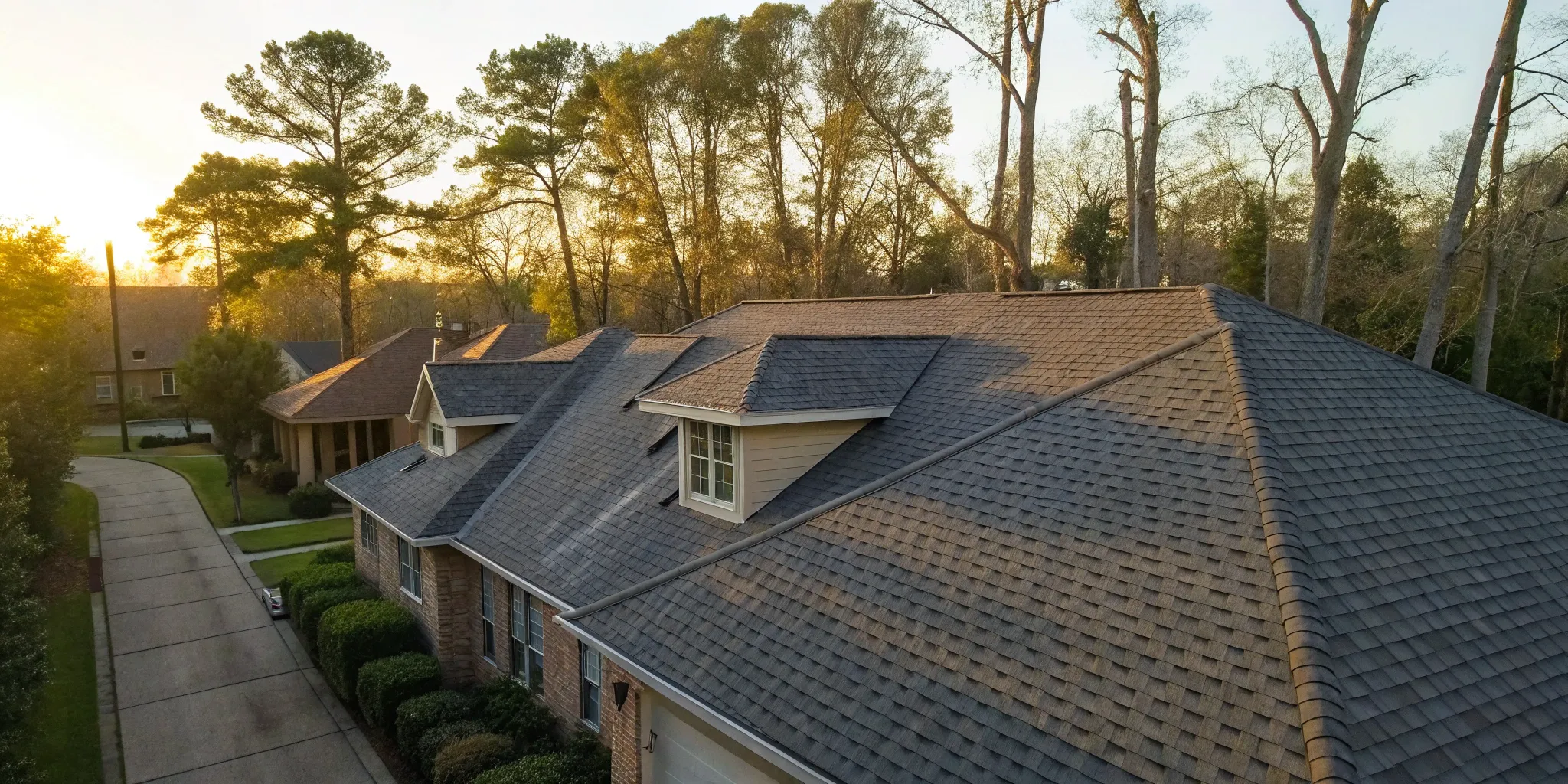
The most obvious variable is the sheer square footage of your roof. Labor and material costs are often calculated per “square,” which equals 100 square feet. But it’s not just about size—the bigger the roof, the more you pay, but intricate shapes or steep pitches can drive up labor for safety and difficulty reasons.
Table: How Roof Shape Affects Labor Cost
|
Roof Shape |
Relative Labor Cost |
|---|---|
|
Flat |
Lowest |
|
Gable |
Low |
|
Hip |
Moderate |
|
Mansard |
High |
|
Complex/Cut-up |
Highest |
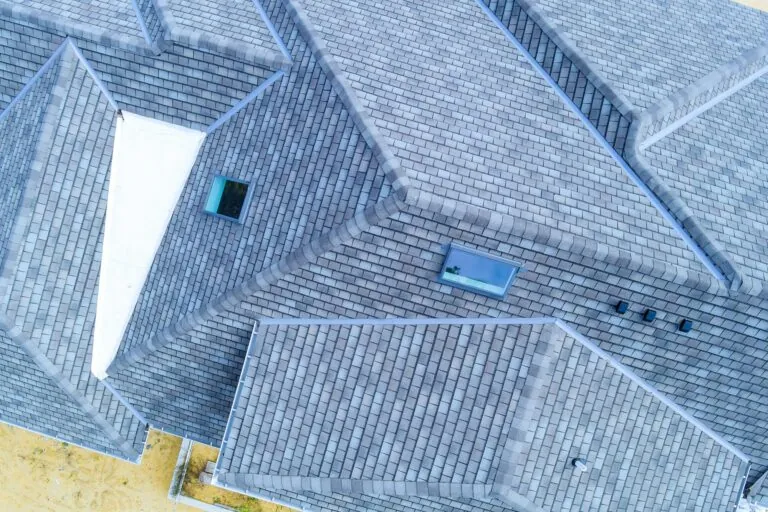
Roof features such as skylights, chimneys, and vents also add to the labor hours required.
2. Material Choices
Material selection is where costs can swing the most, with the choice impacting not just appearance, but durability, lifespan, and even energy efficiency.
Common Residential Roofing Materials:
- Asphalt Shingles: Widely used for their balance of affordability and performance. Expect a lifespan of 15–30 years.
- Metal Roofing: More expensive upfront, but long-lasting (40–70 years) and energy efficient.
- Tile or Slate: High-end options with striking visual appeal and durability, but among the costliest due to both material and labor.
- Wood Shingles or Shakes: Offer a natural look, but require maintenance and may not be suited to all climates.
And within each category, quality grades and manufacturer warranties can shift materials costs further.
3. Labor and Installation
Labor forms a significant slice of the budget. This isn’t just “time on the roof;” it includes site prep, removal of the old roof (called “tear off”), installation, cleanup, and sometimes even disposal fees for old materials.
The skill of your local labor force, demand for construction work in your area, and even project timing (such as busy spring or summer months) contribute to price differences between regions.
4. Location and Permit Requirements
Where you live matters. Local climate influences material choice and quality standards. Urban environments may see higher labor costs due to parking, accessibility, and hire rates. Municipalities also have varying requirements for building permits and inspections, which can represent hidden costs.
5. Underlayment, Flashing, and Ventilation
The roofing system isn’t just about shingles or panels. Quality underlayment, improved flashing around valleys and penetrations, and upgraded roof ventilation will all affect total price. These improvements directly impact performance and lifespan, protecting your investment.
Cost Breakdown: Real Numbers
Average costs for a full roof replacement in the United States can fall anywhere between $6,000 to $25,000, with many projects clustering around the $9,000–$15,000 range for an average-sized home using architectural asphalt shingles.
Let’s look at a simplified estimate for a 2,000 square foot home as an example:
|
Item |
Low-End ($) |
Average ($) |
High-End ($) |
|---|---|---|---|
|
Asphalt Shingles |
7,000 |
11,000 |
15,000 |
|
Metal Roofing |
14,000 |
21,000 |
40,000 |
|
Tile or Slate |
16,000 |
25,000 |
45,000 |
|
Old Roof Removal |
1,000 |
1,500 |
3,500 |
|
Permits, Inspections |
100 |
400 |
900 |
|
Upgraded Underlayment |
500 |
1,000 |
2,000 |
|
Total Estimate |
8,600 |
13,900 |
46,400 |
These figures will inevitably fluctuate based on the specific mix of factors outlined above.
Saving Money Without Cutting Corners
Replacing a roof is expensive, but there are ways to keep costs in check while still getting a quality result.
Gather Multiple Quotes
Don’t settle for the first bid. Reputable contractors provide free estimates. Comparing at least three quotes can highlight discrepancies and potential red flags—such as a bid that seems unusually low or includes vague descriptions of work.
Off-Season Scheduling
Demand for roofing hits its peak in spring and summer. Scheduling your project during the fall or winter can sometimes yield lower labor costs and faster completion.
Consider Overlay vs. Tear-Off
In some scenarios, a new layer of roofing can be added directly over an existing one. This saves on tear-off labor and disposal fees, though it’s not suitable for all situations (such as already having two or more previous layers or underlying moisture issues).
Know the Options
Ask contractors to provide “good, better, best” options so you can see where it’s sensible to splurge and where a mid-grade product does the job just as well. Sometimes, a slightly better underlayment or warranty offers significant long-term value for only a modest increase in up-front cost.
Material Warranties and Longevity
Spending more on a higher-quality product up front can increase the time before the next replacement is needed—saving tens of thousands of dollars over several decades. Compare not just price, but what the warranty covers, the expected lifespan, and climate appropriateness.
Evaluate Financing and Insurance
Some roofing firms offer zero-interest payment plans or financing. If your roof is damaged due to a covered peril (like a hailstorm or fire), check with your homeowners insurance first. They may cover all or part of the replacement after deductible, turning a crisis into an opportunity to upgrade.
DIY Prep Work
If you’re able-bodied and the contractor agrees, ask about doing some basic prep or disposal work yourself (such as removing patio furniture or trimming branches). Small efforts here can decrease quoted labor hours.
Questions to Ask Any Roofing Contractor
Before you sign a contract, make sure you’re selecting a professional who’s both experienced and trustworthy. Here’s a quick checklist:
- Are you licensed and insured in this state?
- Can you provide references from local customers?
- What is the projected timeline from start to finish?
- Which manufacturer certifications do your crews hold?
- What type of warranty is included on materials and labor?
- How do you handle weather delays and cleanup?
- Who is my main point of contact during the project?
Feel free to request documentation and see proof of insurance. A reputable company will always accommodate these requests.
Budgeting for a Roof Replacement
Having a realistic budget protects you from surprises. Look closely at all written estimates and don’t hesitate to ask for itemized breakdowns. Here are some common line items to watch for:
- Removal of old roofing material
- Cost per square for new materials
- Labor charges (either hourly or by project)
- Flashing, underlayment, and ventilation upcharges
- Dumpster and disposal fees
- Permit costs
It’s smart to set aside an additional 10% of your total budget for unforeseen repairs. Structural damage, such as rotted decking or hidden leaks, often comes to light only after old materials are stripped away.
When figuring your budget, compare the upfront investment against:
- The likely lifespan of the roofing material
- Ongoing maintenance and repair costs
- Energy-efficiency improvements (such as cool roof options)
- Insurance discounts for upgraded roof systems
Treat the process like a home improvement project combined with risk management. Spending wisely now is likely to pay off in peace of mind, added curb appeal, and improved resale value.
A Smarter Path Forward
A roof replacement has a reputation for causing anxiety, but it can become a straightforward project with the right planning and caution. By paying attention to the underlying cost drivers, vetting your contractor thoroughly, and negotiating with facts in hand, you’ll be positioned to get a high-quality, long-lasting roof without breaking the bank. Remember to seek transparency at every step, gather advice, and stay true to what your home and climate actually need. The right choices today can mean decades of reliable protection for your most important investment.