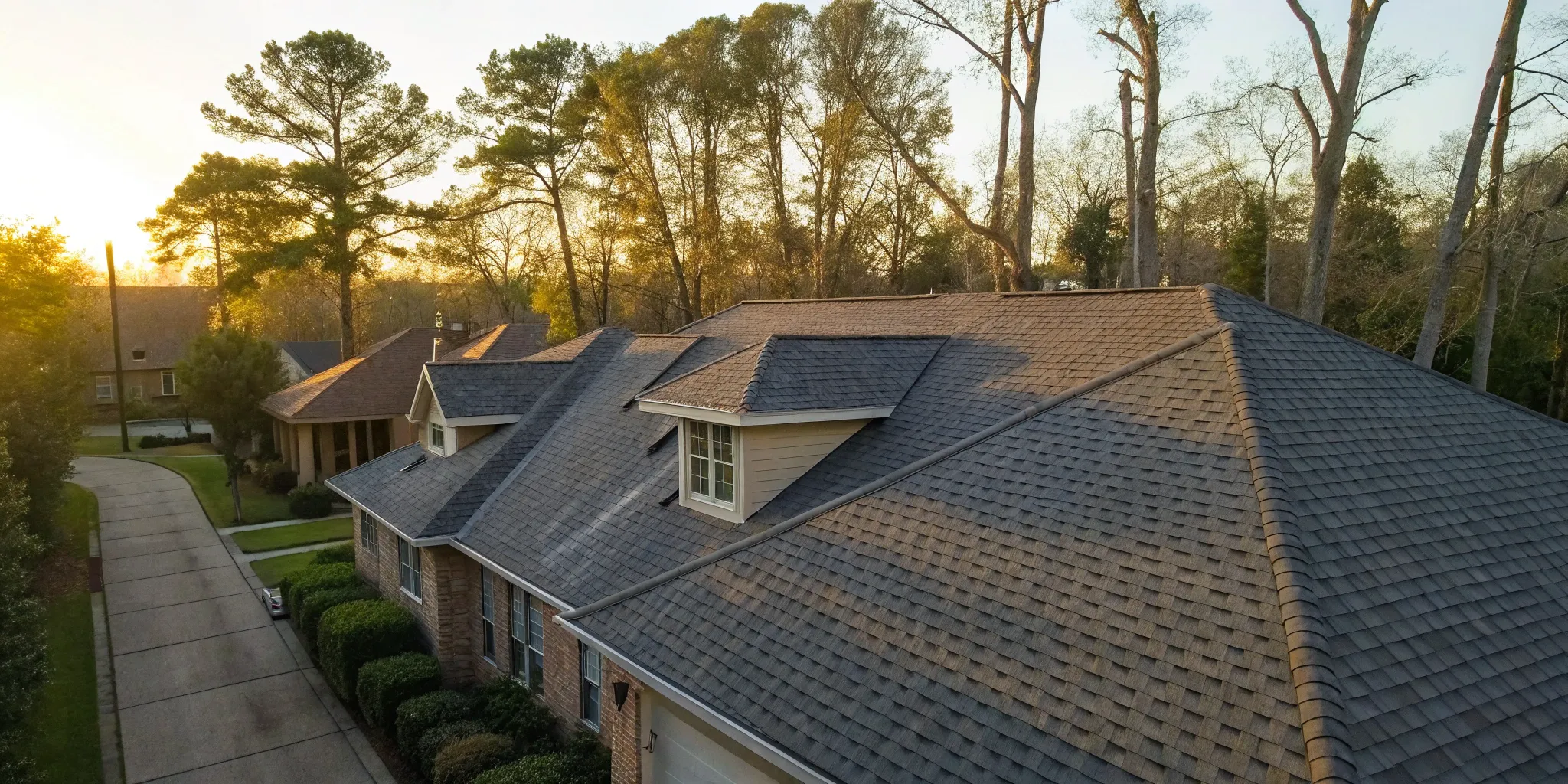
Texas Windstorm Insurance (TWIA): Complete 2025 Homeowner Guide

Texas weather can be unpredictable – especially for those living along the Gulf Coast. If you’re a Texas homeowner (particularly in coastal counties), it’s important to understand how windstorm insurance works, what the WPI-8 windstorm certification is, and how these relate to your standard homeowner’s insurance. This guide breaks down the essentials in plain language, covering when a WPI-8 certificate is required, how windstorm insurance coverage complements your primary insurance, a bit of history on the agencies involved, and a handy glossary of terms. We’ll also explain how a certified contractor like RISE Roofing helps homeowners navigate the windstorm inspection (WPI) process from start to finish.

Texas Windstorm Insurance Map highlighting Texas counties requiring windstorm insurance
Counties in Texas mandated to carry windstorm insurance coverage.

What Is Texas Windstorm Insurance?

Texas Windstorm insurance is coverage specifically for damage caused by wind and hail – for example, losses from hurricanes, tropical storms, tornadoes, or severe thunderstorms. (Some people even call it hurricane insurance.) It pays to repair or rebuild your house if it’s damaged by wind or hail events . In Texas, whether you need a separate windstorm insurance policy depends largely on where you live:

  • Inland Areas: If you live anywhere in Texas except along the coast, your standard homeowners insurance policy probably already covers wind and hail damage. In these areas, windstorm damage is treated like any other covered peril (such as fire or theft) under your homeowners policy, though you might have a special deductible for wind/hail claims . Always check your policy or ask your agent to be sure, but most inland Texas homeowners don’t need a separate wind policy.

  • Coastal Areas: If you live along the Texas Gulf Coast, your homeowners insurance likely excludes wind and hail damage. Insurers often will not cover windstorm losses in high-risk coastal counties. In that case, you must buy a separate windstorm insurance policy to be protected. Many coastal homeowners obtain this coverage through the Texas Windstorm Insurance Association (TWIA), which is the insurer of last resort for wind/hail in Texas coastal counties . (Some private insurers may offer a windstorm insurance policy or endorsement, but TWIA is the most common solution for coastal residents.)

Is Texas Windstorm Insurance required? There’s no state law forcing you to carry windstorm insurance coverage, but if you have a mortgage on a home near the coast, your lender will almost certainly require it . In other words, while Texas law doesn’t mandate wind insurance, banks don’t want a house at risk of hurricane damage to be uninsured. Even without a mortgage, going without windstorm insurance coverage in a hurricane-prone area would be a huge financial risk for a homeowner.

Flood vs Texas Windstorm Insurance: It’s important to note that windstorm insurance only covers wind and hail damagenot flooding or storm surge. Flood damage (rising water entering your home) is excluded from both homeowners and TWIA policies and requires a separate flood insurance policy. For comprehensive protection on the coast, a homeowner typically has three policies: a standard homeowners policy (covering fire, theft, etc.), a windstorm insurance policy (TWIA or similar, covering wind and hail), and a flood policy (covering rising water). Each covers a different peril, and together they ensure all catastrophic events are insured.

Teaxs Windstorm Insurance vs. Homeowners Insurance

Your Texas Windstorm Insurance coverage and your standard homeowners insurance work hand-in-hand to protect your home. Think of windstorm insurance as filling a gap in coverage that your homeowners policy might have if you live in a high-risk area. Here are the key differences and how the two complement each other:

  • Coverage Scope: A typical Texas homeowners insurance policy covers a range of perils – fire, lightning, theft, plumbing leaks, etc. – and it usually covers wind and hail except in designated coastal regions. A windstorm insurance policy (TWIA or private), on the other hand, covers only wind and hail losses – no other types of damage . For example, if a hurricane blows part of your roof off, the windstorm insurance policy would pay for the roof repairs. But if a fire breaks out in your kitchen, or a burglar steals your TV, those losses would fall under your homeowners policy. Neither policy covers flood damage, which is why separate flood insurance is recommended for coastal homes.

  • Complementary Coverage: Because TWIA policies cover only wind/hail, they are meant to complement your primary homeowners policy – not replace it. In fact, TWIA itself emphasizes that it is “only a piece of the insurance puzzle” for coastal residents, and you should have proper coverage for other risks like fire and flood through regular insurance . In practice, if you live in (for example) Corpus Christi, you might carry a homeowners policy that excludes wind/hail and a TWIA windstorm policy for wind/hail. In the event of a hurricane, your TWIA policy would cover the wind damage (roof, windows, etc.), while your homeowners policy could cover resulting interior damage not directly caused by wind (such as rainwater damage inside the home after the wind created an opening). For any non-hurricane peril – say a kitchen fire or liability claim – your homeowners policy responds as usual.

  • Deductibles: Texas Windstorm insurance often comes with its own deductible, separate from your homeowners policy deductible. In coastal Texas, many homeowners policies have a percentage deductible for windstorm/hail or a special hurricane deductible. Similarly, TWIA policies typically have a percentage deductible (commonly 1% or 2% of your dwelling coverage amount) that you must pay out-of-pocket on windstorm insurance claims. This means if your home is insured for $300,000 and you have a 2% windstorm insurance deductible, you would pay the first $6,000 of wind damage repairs, and the insurance would cover the rest. It’s important to be aware of these deductible amounts in your policies so you have funds set aside or know your exposure. Your insurance agent can explain the wind/hail deductible on your policy (or TWIA’s deductible options) so you won’t be caught off guard when filing a claim.

In summary, homeowners insurance and windstorm insurance complement each other: one covers most everyday risks and the structure generally, and the other specifically covers the extraordinary risk of wind and hail in storm-prone areas. Having both (plus flood coverage if needed) means your home is fully protected against the range of disasters that Texas can throw at it.

A Brief History of TWIA and TDI

Understanding a bit of history can shed light on why Texas handles windstorm insurance the way it does. Two key entities are involved in this system: TWIA (the Texas Windstorm Insurance Association) and TDI (the Texas Department of Insurance).

Texas Windstorm Insurance Association (TWIA)

TWIA is a special insurance pool created to ensure coastal residents can get wind and hail coverage when it’s not available through private insurers. TWIA was established in 1971 by the Texas Legislature in response to a crisis: after Hurricane Celia struck the coast in 1970, many insurance companies stopped writing wind coverage for coastal properties due to the massive losses. To fill this void, the state set up TWIA (originally called the Texas Catastrophe Property Insurance Association) as an insurer of last resort for wind and hail .

TWIA’s mission is to provide an adequate market for Texas windstorm insurance for certain high-risk areas. It is not a state agency and receives no taxpayer funding – it operates like a regular insurance company, funded by policy premiums and responsible for paying claims from those premiums and its catastrophe reserves . In fact, TWIA must transfer any net gains into a Catastrophe Reserve Trust Fund used to pay future storm claims . In other words, TWIA is financially structured to handle big hurricanes through collected premiums, reserve funds, and (if needed) other funding mechanisms, rather than state budget money.

Coverage area – TWIA policies are available only in the specific coastal region defined by law. Texas law designates a “catastrophe area” along the Gulf Coast where wind/hail insurance is considered not reasonably available from the standard market. This currently includes 14 first-tier coastal counties and part of Harris County (the part of Harris County that is east of Highway 146, along Galveston Bay) . The first-tier counties are all the counties that border the Gulf of Mexico: Aransas, Brazoria, Calhoun, Cameron, Chambers, Galveston, Jefferson, Kenedy, Kleberg, Matagorda, Nueces, Refugio, San Patricio, and Willacy, as well as a portion of Harris County near the coast . If your property is in one of these counties (or certain communities in eastern Harris County), you’re in TWIA’s territory. Homeowners outside this area cannot get a TWIA windstorm insurance policy (nor would they typically need one, since private insurance covers wind in other regions).

Figure: A map highlighting the Texas coastal counties (in green) that form the “designated catastrophe area” for Texas windstorm insurance coverage . Properties in these first-tier coastal counties (and a portion of Harris County east of Hwy 146) are eligible for TWIA policies if wind/hail coverage is unavailable from private insurers. Homeowners in these regions must ensure their homes meet windstorm building codes to qualify for coverage.

TWIA coverage basics – TWIA offers hail and windstorm insurance for homes, condos, manufactured homes, businesses, and certain ancillary structures in the coverage area. It only covers wind and hail perils – so damage from hurricanes, tropical storms, tornadoes, straight-line winds, hailstorms, etc. are covered, but no other perils (no fire, theft, flood, or liability coverage is included) . You must maintain a separate homeowners policy for other risks. Policies are sold through local insurance agents (you cannot buy directly from TWIA as a consumer), and the full annual premium must be paid upfront when you start or renew a policy .

Because TWIA is intended as a last resort, you generally have to show that you can’t get wind/hail coverage in the private market before TWIA will insure you. In practice, this usually means getting a declination or denial letter from at least one authorized insurance company. Most coastal homeowners simply tell their regular insurance agent to apply through TWIA, and the agent will handle the declination requirement (since agents know that in the first-tier counties, standard insurers are likely to decline wind coverage anyway). Another requirement is that your property must meet certain building code standards – this is where the WPI-8 certificate comes into play (more on that in the next section). Additionally, if your home is in a federally designated flood zone and thus requires flood insurance, TWIA will ask for proof that you have a flood policy in force . These rules ensure that TWIA-insured homes are built to resist wind damage as much as possible and that homeowners are not forgoing other necessary coverages.

TWIA eligibility requirements: To summarize, to obtain or keep a TWIA windstorm insurance policy, you and your property must meet a few key requirements :

  • Location – The property must be in the designated catastrophe area (one of the 14 coastal counties or eligible parts of Harris County).

  • Market Unavailability – You (or your agent) must have attempted to get wind/hail coverage from at least one private insurance company and been denied. TWIA exists for those who “are unable to obtain insurance in the private market”, so a declination is needed as proof.

  • Building Code Compliance – The property (or any new structures/additions) must be certified as meeting windstorm building codes. This is verified by obtaining a Certificate of Compliance (WPI-8) after inspection. (Limited exceptions exist for certain older or historic structures – see WPI-8 section below.)

  • Flood Insurance – If the property is in a high-risk flood zone where flood insurance is required (for example, a FEMA Special Flood Hazard Area), you must show proof of a current flood insurance policy on the property. This is to ensure the home is protected against flooding, since TWIA and homeowners insurance won’t cover that peril.

  • Insurability/Condition – The property must meet TWIA’s underwriting standards. In simple terms, this means your home should be in an insurable condition – for instance, any existing damage (like a pre-existing hole in the roof) might need repair before TWIA will cover the home. Generally, the home should be well-maintained and not unusually vulnerable to wind damage due to disrepair.

If you meet these criteria, your insurance agent can submit an application to TWIA on your behalf. TWIA policies typically take effect 30 days after you apply and pay, so don’t wait until a storm is barreling across the Gulf to sort out your windstorm insurance – by then it’s too late (TWIA will not issue new policies or increase coverage if a hurricane is already in the Gulf of Mexico and heading toward Texas).

Texas Department of Insurance (TDI)

The Texas Department of Insurance (TDI) is the state government agency that regulates the insurance industry and oversees insurance practices in Texas. TDI’s roots go back a long way – it was originally founded in 1876 (then called the Department of Insurance, Statistics and History) – reflecting Texas’s early commitment to supervising insurance for the public good. Today, TDI is responsible for enforcing insurance laws, protecting consumers, and ensuring that companies remain solvent and fair in their pricing and claims practices . TDI’s scope covers all kinds of insurance: home, auto, life, health, and more, as well as workers’ compensation and even the State Fire Marshal’s office.

When it comes to Texas Windstorm Insurance, TDI plays a critical role through its Windstorm Inspection Program. This program is how Texas ensures that homes and other structures in the coastal counties are built or repaired to withstand high winds. TDI either sends state windstorm inspectors (at no cost) or authorizes qualified professional engineers to inspect properties during construction or repairs. If the structure is built or repaired according to the required windstorm building codes, TDI issues a Certificate of Compliance, known as a WPI-8 form . In short, TDI administers the WPI-8 certification process that homeowners need to complete to be eligible for TWIA coverage on the Texas coast.

TDI maintains field offices in the coastal region where homeowners and contractors can request inspections and get information about windstorm code requirements. The agency provides resources like the “WPI-8 fact sheet” and online lookup tools so homeowners can verify if their property has a certificate on file . While TWIA is a separate entity, TWIA’s ability to insure a home hinges on TDI’s certification that the home is up to code. Thus, TDI and TWIA work in tandem: TDI sets the standards and verifies compliance, and TWIA provides the insurance coverage once compliance is confirmed.

In summary, TDI’s job is to make sure homes are built strong (through inspections and code enforcement), and TWIA’s job is to insure those homes for wind damage when no one else will. Now, let’s dive deeper into the WPI-8 certificate itself – what it is, when you need it, and how to get it – since this is often the most confusing part for homeowners.

Windstorm Inspections and WPI-8 Certificates

One of the most important requirements for Texas coastal homeowners is obtaining a windstorm inspection and certification for their property when they build or make certain repairs. This process ensures your home meets the state’s wind-resistant construction standards. Upon a successful inspection, you receive a WPI-8 Certificate of Compliance, which is essentially your golden ticket showing the home or improvement was built to withstand high winds. Let’s break down what that means and when you need it.

What is a WPI-8 Certificate?

A WPI-8 is a Certificate of Compliance issued by the Texas Department of Insurance. It’s an official document (or electronic record) that verifies a structure or repair meets the applicable windstorm building code requirements . In simpler terms, a WPI-8 certificate is proof that your home (or your new roof, addition, etc.) was built or fixed the right way to resist hurricane winds.

The WPI-8 program is specific to Texas coastal counties – outside of Texas you won’t encounter a “WPI-8,” since other states have their own codes and certification processes . But for those of us on the Texas coast, the WPI-8 is crucial because insurance companies (including TWIA) will check for it. TWIA and other insurers can look up your certificate in the state database to make sure your property or addition is certified . If there’s no certificate when one was required, your windstorm insurance claim could be denied or you might even be denied coverage. In fact, TWIA generally will not issue a windstorm insurance policy on new construction or repairs that lack a WPI-8 certificate, because they have no assurance the work was done to code.

When do you need a WPI-8 certificate?

Not every little fix or home project requires a windstorm inspection – but many do. Here’s when a WPI-8 Certificate is required for a coastal home:

  • Location triggers – First, WPI-8 requirements apply only in the designated coastal counties (the same 14 counties and part of Harris County we mentioned earlier). If you live in these areas and want windstorm insurance coverage, you fall under the WPI-8 rules. Homeowners in inland counties do not need a WPI-8, because their wind coverage is through standard insurance that doesn’t require this state certificate.

  • New structures – If you build a new home or structure (or substantially rebuild one) in a coastal county, that structure will need to pass a windstorm inspection and get a WPI-8 certificate upon completion. This ensures the new construction – from the roof trusses and wall studs to windows and doors – meets the wind-load requirements of the building code.

  • Roof replacements – One of the most common projects requiring a WPI-8 is a roof replacement. Since the roof is critical in high winds, any time you replace your roof covering (shingles, metal panels, etc.) and decking in a coastal area, that work typically must be inspected and certified. For example, if a storm damages your roof and you get a new roof installed, you’ll need a WPI-8 certificate for that roof to keep your coverage. Even replacing a portion of the roof may require inspection if structural components are involved.

  • Additions and structural remodels – If you add a room, enclose a porch, or otherwise add onto your house, those new construction areas must be built to code and will need a WPI-8. Similarly, if you do an extensive remodel that involves structural changes to exterior walls, new windows, new exterior doors, or other structural elements (sometimes called a “redo”), you will likely need a WPI-8 for that project. Essentially any alteration that affects the building envelope (walls, roof, foundation) in a windload sense should be checked.

  • Exterior fixture replacements – Certain replacements like windows, exterior doors, garage doors, or siding might trigger the need for an inspection if they are regulated by the windstorm building code. For example, if you replace windows in a coastal home, those windows need to be windstorm-rated or have proper storm protection. The inspection would verify the new windows and their installation meet windstorm standards (impact glass or shutters in areas that need it, proper anchoring, etc.). The same goes for garage doors, which need to be hurricane-rated in many coastal zones. If you’re doing these kinds of replacements, check with TDI because a WPI-8 might be required.

  • Not every repair requires one – On the flip side, minor repairs or interior-only work do not require a WPI-8 inspection. For instance, if you’re just doing cosmetic work like painting your house, fixing interior drywall, or remodeling a kitchen (with no changes to the roof, exterior walls, or windows), that won’t need a windstorm certificate. Even small roof repairs (patching a few shingles) might not trigger a formal inspection, whereas a full re-roof does. The rule of thumb is: when in doubt, call your local TDI windstorm field office before you start any work to ask if you need an inspection . It’s better to check beforehand than to finish a project and later discover you have no certificate. TDI can quickly tell you if your project is one that requires inspection.

In summary, if you live on the Texas coast and you’re doing anything substantial to your home’s structure or exterior, assume you’ll likely need a windstorm inspection during the construction and a WPI-8 certificate after completion. Always verify specific requirements for your project to stay safe (and insured).

How do you get a WPI-8 certificate?

Getting a WPI-8 certificate involves a inspection by an authorized windstorm inspector or engineer, who will certify that the construction was done to code. Here’s the typical process:

  1. Plan for inspection before construction begins – The windstorm inspection isn’t something you can do after the fact (at least not anymore, as we’ll note below). So if you’re about to replace your roof or build an addition, plan ahead. Contact a windstorm inspector before or when the work starts. You or your contractor should notify the inspector so they can check things at appropriate stages (for example, for a roof, the inspector might need to see the deck nailing and windstraps before shingles go on).

  2. Choose an inspector option – You have two main options for who can do the inspection:

    • TDI Inspector (No Cost): TDI employs windstorm inspectors that will inspect your property free of charge . You can request an inspection by calling the TDI Windstorm program (at 800-248-6032) or contacting the local TDI field office. They’ll assign an inspector to come out. This is a great service but keep in mind scheduling ahead is important, especially after a major storm when inspectors are busy.

    • Qualified Engineer (For Hire): You can also hire a Texas-licensed professional engineer who is qualified under the windstorm program (often referred to as an appointed qualified inspector if they are registered with TDI) . Many coastal engineering firms or even some experienced contractors have relationships with qualified engineers. You would pay the engineer’s inspection fee (TDI doesn’t regulate how much they charge). The engineer will inspect the work and then file the necessary paperwork with TDI to get your certificate issued. Homeowners sometimes go this route if they want more flexibility in scheduling or if a TDI inspector isn’t readily available when needed.

  3. During construction – The inspector/engineer will tell you at what points they need to inspect. Commonly, there might be a pre-cover inspection (before things are sealed up). Using the roof example: the inspector will likely want to see the deck nailing pattern, any added fasteners, and underlayment before the new shingles are fully installed. For a room addition, they might inspect the framing, strapping, and nailing schedule before drywall or exterior siding covers it up. It’s crucial to coordinate between your contractor and the inspector so that work can pause for inspection at the right times. A certified contractor like RISE Roofing will handle this coordination for you – for example, RISE Roofing routinely works with TDI inspectors or engineers during a roofing job to ensure everything (from the decking and wind strapping to the final shingles) is done to code before it’s all covered up. This way, the homeowner doesn’t have to manage the process; the contractor makes sure the inspection is done and passed.

  4. Certificate issuance – If the inspector finds that the construction or repairs meet all the windstorm requirements, they will submit the inspection report to TDI. TDI will then issue the Certificate of Compliance (WPI-8) for your property. Nowadays, this is often done electronically – you might hear the term WPI-8 E (electronic certificate) which is the same as a WPI-8, just issued through the online system. The certificate is assigned a number and becomes part of the official record. You (or your contractor) can download a copy for your files, and it’s indexed by property address in TDI’s database so that insurance companies can look it up as needed .

  5. Keep the certificate handy – After completion, you’ll want to keep a copy of your WPI-8 certificate with your important home documents. You will also provide this certificate number to your insurance agent or TWIA when getting or renewing windstorm insurance coverage. Even years down the line, if you sell your house, the buyer or title company might request proof of any WPI-8 certificates for additions or roof replacements you’ve done – it can affect their ability to get insurance. Fortunately, if you misplace the paper, the information is accessible online: TDI has a Windstorm Certificate Lookup website where anyone can search by address or certificate number to verify compliance .

What if I don’t get a WPI-8 (and why it matters)?

If you skip the inspection or forget to get the WPI-8 certificate when it was required, it can have serious insurance consequences. Without a WPI-8, TWIA can decline to cover your property or deny a claim related to that un certified work. For instance, imagine you replaced your roof after a storm but didn’t know you needed an inspection – if another storm later damages that new roof, TWIA might refuse to pay for the damage because the roof wasn’t certified to have been properly installed. Essentially, not having the certificate can leave you without coverage when you need it most.

In the past, there was a bit of a remedy: TWIA ran a WPI-8-C program (Certificate of Compliance for Completed Construction) from 2017 through May 2020 to help homeowners certify work that was already finished without prior inspection . Homeowners could apply for a WPI-8-C during that window, which often involved an engineer evaluating the finished work. However, that program has ended, and after June 1, 2020, Texas no longer allows after-the-fact windstorm certification in most cases. Now, all new construction or repairs must be inspected during the process. If it wasn’t, you’re basically out of luck on getting it certified, except for some very narrow exceptions.

One such exception is for certain older or historically significant buildings. Texas law allows an exemption for designated historic structures, recognizing that modern wind retrofits could damage their character. A homeowner with a qualifying historic home (for example, a house listed on the National Register of Historic Places or as a Recorded Texas Historic Landmark) can apply for a Windstorm Exemption (Form WEA-1) . An approved WEA-1 exemption means the home does not have to meet current windstorm building codes to be insured by TWIA – the owner can repair the building with like-kind materials to preserve its historical architecture . This exemption is mainly used in places like Galveston’s historic districts, where you wouldn’t want to replace antique wood windows with modern aluminum ones, for example. For most homeowners with typical houses, though, a WPI-8 compliance certificate is the route to go (your home likely isn’t eligible for an exemption unless it’s officially historic).

If you find yourself in the predicament of needing Texas windstorm insurance but lacking a WPI-8, what can you do? TWIA may still offer coverage but with a costly “WPI-8 waiver” surcharge. Essentially, they’ll insure a non-compliant property in some cases but charge an added premium (and this is typically temporary until you bring the property up to code in the next repair). It’s a very expensive way to insure a home and not a guaranteed option – rules have changed over time on waiver allowances. The bottom line: it’s far better (and cheaper) to get the proper inspection and certificate when the work is done. Always insist on it from your contractor. If you’re working with a reputable outfit like RISE Roofing, they will make the WPI-8 process a standard part of the job, so you won’t have to worry about it. RISE Roofing, for example, is a TDI-certified contractor familiar with windstorm requirements – they ensure everything is done right to pass inspection and they will provide you the WPI-8 certificate upon completion of your roofing project.

How RISE Roofing Supports You Through the WPI Process

Navigating windstorm insurance and compliance can seem daunting, but you don’t have to do it alone. A certified contractor like RISE Roofing is an invaluable partner for coastal homeowners when it comes to Texas windstorm insurance compliance. Here’s how RISE Roofing supports you:

  • Expert Guidance and Knowledge: RISE Roofing’s team stays up-to-date on Texas windstorm building codes and WPI-8 rules. They can tell you upfront whether your project will need a windstorm inspection and certificate. With their experience, they often anticipate issues that could fail inspection and adjust plans accordingly. This means from the moment you get an estimate, you’ll know what’s required to keep your home insurable.

  • Coordination of Inspections: When you hire RISE Roofing for a roof replacement or other exterior work, they handle the windstorm inspection scheduling for you. They’ll either request a TDI inspector or bring in a qualified engineer at the proper stages of the project. As a homeowner, you won’t have to juggle phone calls or paperwork – RISE manages it and keeps you informed. For example, they might arrange for the inspector to come when the old roof is removed and new decking is being nailed, ensuring every nail pattern and hurricane strap is verified before proceeding.

  • Quality Workmanship to Code: Because RISE Roofing is experienced with coastal code requirements, they perform all work to meet or exceed windstorm standards. This includes using proper materials (like wind-rated shingles, underlayments, and fasteners) and techniques (correct nailing patterns, roof deck attachments, and so on). By doing it right the first time, they virtually guarantee the inspection will pass. In fact, RISE’s crews treat the building code as a minimum – their goal is to give you a roof that stands strong in the face of Texas storms, keeping your family safe and dry.

  • Paperwork and Certification: After the job is done and has passed inspection, RISE Roofing will ensure you (and your insurance agent) get a copy of the WPI-8 certificate. They’ll often even help submit it to TWIA or make sure it’s recorded. Down the line, if there’s any question about your home’s certification, RISE can help retrieve records or provide documentation. Essentially, they make sure the administrative side – which can trip up homeowners not familiar with it – is fully taken care of.

  • Peace of Mind: Perhaps most importantly, working with a contractor like RISE Roofing gives you peace of mind. You know that you’re not risking your insurance coverage. You know that an expert is looking out for your interests, making sure your home is protected both physically (a strong roof) and financially (valid insurance). If an insurance adjuster ever needs information or if TWIA has a question, RISE will be there to assist and explain what was done. They act as your advocate in the often-confusing insurance compliance world.

In short, RISE Roofing simplifies the windstorm compliance process for homeowners. From start to finish, they integrate the WPI inspection steps into their workflow. This means you can focus on the outcome – a fortified home and continued insurance coverage – without getting bogged down in the technicalities. As a local Texas roofing contractor, RISE prides itself on doing things “the right way,” and for coastal homes, the right way includes that WPI-8 certificate. Your home is likely your biggest investment; RISE helps you protect it by ensuring no corners are cut that would jeopardize your Texas windstorm insurance.

Glossary of General Insurance Terms

Insurance can feel like a world of jargon. Below is a glossary of common general insurance terms you might encounter as a homeowner, with simple definitions:

  • Policy – The insurance contract between you and the insurer. It spells out what is covered, under what conditions, and for how much. For example, your homeowners insurance policy is the document that details your coverage limits, covered perils, exclusions, and duties after a loss.

  • Premium – The price you pay for insurance coverage. This can be an annual, monthly, or semi-annual amount depending on your payment plan. For instance, if your homeowners insurance premium is $1,200 per year, that’s the cost to keep the policy in force for that year.

  • Deductible – The amount you must pay out-of-pocket on a claim before insurance pays the rest. When you have a covered loss, the deductible is subtracted from the claim payment. For example, if you have a $2,000 deductible and $10,000 in covered damages, the insurer would pay $8,000 and you’re responsible for $2,000. (Many windstorm policies have percentage deductibles – see Hurricane Deductible in the windstorm terms section.)

  • Coverage (Coverage Limit) – The amount of protection provided under the policy for a specific type of loss. Coverage is often broken into categories. For instance, Coverage A is usually the dwelling (structure) coverage limit on a home policy, say $300,000. That’s the maximum the policy would pay for damage to the house itself. Other coverages might include personal property, other structures, loss of use, etc., each with their own limits.

  • Peril – A specific cause of loss. Insurance policies list covered perils (like fire, windstorm, theft) and often exclude others (like flood or earthquake on a standard home policy). Windstorm, for example, is a peril; if it’s covered, the policy will pay for damage caused by that peril (subject to conditions).

  • Exclusion – Anything that is not covered by the policy. Exclusions are listed in the policy document. Common examples: flood is excluded from homeowners insurance, intentional damage is excluded, normal wear-and-tear or maintenance issues are excluded, etc. It’s important to know major exclusions so you can consider separate policies for those (like flood insurance).

  • Claim – A request for payment under your insurance policy when a loss occurs. Filing a claim means notifying the insurance company that you’ve suffered a damage or loss that you believe is covered and you are asking them to pay for it per the policy terms. For example, if a hailstorm damages your roof, you file a claim with either your homeowners insurer or TWIA (depending on your coverage setup) to get the roof fixed.

  • Adjuster – The insurance company’s representative who evaluates your claim. An adjuster (sometimes called a claims adjuster) will investigate the damage, determine what’s covered, and estimate the cost of repair or replacement. They basically adjust (settle) the claim. There are staff adjusters (employed by the insurer) and independent adjusters (contracted), but both do the same type of work. In a major storm, you might even encounter a catastrophe adjuster – someone brought in to handle the high volume of claims.

  • Actual Cash Value (ACV) – A valuation method for insured property, meaning the current value of the item, factoring in depreciation. ACV = Replacement cost minus depreciation. If your 10-year-old roof is damaged and your policy pays ACV, they’ll pay what that roof is worth today (which might be significantly less than new). For example, if a brand new roof costs $10,000, but your old roof had 50% of its life gone, the ACV might be $5,000 – that’s what you’d get (minus deductible).

  • Replacement Cost Value (RCV) – Another valuation method where the policy pays the full cost to repair or replace with new materials, without depreciation. If you have replacement cost coverage, using the roof example, the insurer would eventually pay the full $10,000 to replace the roof (often they pay ACV upfront and then reimburse the depreciation after you complete repairs). Most standard homeowners policies provide replacement cost on the dwelling by default, but personal property and some roof coverages can vary, so it’s worth checking your policy.

  • Endorsement – A policy add-on or modification. Endorsements (also called riders) change the standard coverage. They can add coverage (for example, an endorsement to cover a home business or to schedule valuable jewelry) or they can exclude/limit coverage. In coastal areas, sometimes a wind/hail exclusion endorsement is added to a homeowners policy (removing wind coverage, which is then picked up by TWIA). Always review any endorsements on your policy – they override the base contract language.

  • Flood Insurance – A separate policy that covers damage from flooding (rising water). As mentioned, flood is excluded from homeowners insurance, so you buy a flood policy through the National Flood Insurance Program (NFIP) or a private insurer. Flood insurance covers things like storm surge, river overflow, heavy rain flooding – basically water moving along or under the ground that inundates your home. It’s important for Texas coastal homeowners because hurricanes often bring floodwaters. Mortgage lenders will require it if you’re in a high-risk flood zone. Even outside high-risk zones, it’s an option to consider (about 20% of flood claims occur in moderate/low risk areas).

  • Liability Coverage – Part of a homeowners (or renters) policy that covers you if you’re legally responsible for injury or property damage to others. For example, if someone slips and falls on your porch and is hurt, your liability coverage could pay for their medical bills or your legal costs if they sue. This isn’t directly related to windstorms, but it’s a fundamental part of a home insurance policy and good to be aware of.

Glossary of Windstorm & Texas-Specific Terms

Now let’s look at some windstorm-specific terms and Texas insurance lingo you might encounter:

  • Texas Windstorm Insurance Association (TWIA) – TWIA (pronounced “twee-uh”) is the state-sanctioned insurer that provides hail and windstorm insurance in Texas coastal counties when coverage is not available through private insurers. It was created in 1971 after major hurricanes, and it’s often called the “wind pool.” TWIA policies cover only wind and hail damage, and TWIA serves as the insurer of last resort for wind coverage on the Gulf Coast . Homeowners in TWIA’s coverage area get their windstorm policy through this association, typically via their local insurance agent.

  • Texas Department of Insurance (TDI) – The state regulatory agency that oversees insurance in Texas. For our purposes, TDI runs the Windstorm Inspection Program and issues WPI-8 certificates. TDI sets building code standards for coastal construction and ensures compliance through inspections. It was founded in 1876 and handles consumer protection, company regulation, and things like insurance rate approvals . If you have questions or complaints about insurance (including TWIA policies), TDI is the go-to state resource.

  • Designated Catastrophe Area – The geographic zone along the Texas coast where Texas windstorm insurance is facilitated by TWIA due to lack of private market options. It currently includes 14 first-tier coastal counties and a portion of Harris County (east of Hwy 146) . These areas are considered highly susceptible to hurricane winds. Sometimes this is informally called the “Tier 1 counties” (first tier along the coast). If you’re in this area, you likely need to pay attention to windstorm codes and insurance requirements.

  • WPI-8 – This is the Certificate of Compliance for windstorm inspections issued by TDI. The term “WPI-8” literally comes from the form name (Windstorm Inspection Form #8). It certifies that a structure or repair complies with windstorm building code standards . Homeowners need a WPI-8 certificate for any new construction or significant repairs in coastal areas if they want coverage for wind/hail losses. Essentially, it’s proof your property can withstand certain wind speeds. WPI-8E refers to an electronic version of the certificate (the process is digital now, but it’s the same compliance certificate). WPI-8C was a variant used for completed construction (without prior inspection) during a limited period from 2017–2020 – that program has ended, so now WPI-8C is generally not available except for legacy cases. When someone says “windstorm certified,” they usually mean you have a WPI-8 on file.

  • Windstorm Inspection – The process of examining construction or repairs to ensure they meet wind-resistant standards. In Texas, a windstorm inspection is done by a TDI-appointed inspector or a qualified professional engineer. Passing the inspection is required to get the WPI-8 certificate. Inspections may include checking things like nailing patterns, roof fasteners, window and door ratings, and structural connections (e.g., hurricane clips tying roof to walls, and walls to foundation). It’s a specialized inspection focusing on structural integrity in high winds – separate from your local city/county building inspection. You schedule it through TDI or an engineer whenever you have a windstorm-related project on the coast.

  • Qualified Windstorm Inspector – This term usually refers to an engineer who is licensed in Texas and appointed by TDI to perform windstorm inspections. TDI maintains a list of these Appointed Qualified Inspectors . They are typically civil or structural engineers familiar with building codes for windstorm. A TDI staff inspector can also be considered a “qualified inspector,” though we usually use this term for the private engineers. If your contractor says they have a “windstorm engineer,” it means they’re bringing in someone who meets this qualification to inspect the job.

  • Certificate Search – The online database where you can lookup WPI-8 certificates by address or certificate number. TDI provides this on their website . It’s useful for homeowners to verify if past work on their home was certified, or for homebuyers checking a property’s compliance before purchase. You just enter your house number or other details, and if a certificate exists for that property, it will show the certificate number, date, what work was done, etc.

  • TWIA Eligibility – The criteria that determine if a property can be insured by TWIA. Key points are the location in the catastrophe area, inability to get private insurance, having the WPI-8 certificate (or falling under an allowed exemption), having flood insurance if required, and meeting underwriting guidelines . These rules are set by the Texas Insurance Code (Chapter 2210). It’s basically a checklist to ensure only those who truly need TWIA and have a reasonably fortified home can get the coverage.

  • Depopulation (TWIA Depopulation) – You might hear this term in the news or from agents. “Depopulation” refers to efforts to move policies out of TWIA and back into the private insurance market. Programs are sometimes created to encourage insurance companies to voluntarily take over TWIA policies (if they feel the risk is manageable). The goal is to reduce the number of properties TWIA covers, since TWIA is meant as a last resort. As a homeowner, you might get offers or notices if a private insurer is willing to insure your home (possibly at a different premium) – this is part of depopulation. It’s optional; you can choose to stay with TWIA or go to the private market if an offer comes. This term isn’t directly about your coverage, but it’s good to know why you might receive such communication.

  • Hurricane Deductible (Windstorm Deductible) – A special deductible that applies only to wind or hurricane claims. Instead of a flat dollar amount, it’s often expressed as a percentage of your insured value. This is very common in coastal policies (both TWIA and many homeowners policies). For example, a TWIA policy might have a 2% deductible. If your dwelling is insured for $250,000, the deductible for any windstorm claim would be $5,000. Some policies differentiate between named-storm, hurricane, or all wind/hail events for when the percentage applies. Always check if your policy has a separate windstorm or hurricane deductible, and understand that you’ll be responsible for that portion in the event of wind damage.

  • Catastrophe Reserve Trust Fund (CRTF) – This is a special fund where TWIA’s net gains are stored to pay future claims . It’s essentially TWIA’s savings account for big hurricanes. Funded by policy premiums over the years, the CRTF is managed by the Texas Comptroller. When a major storm hits, TWIA draws from this fund to pay claims (and if that’s exhausted, they have additional funding layers like reinsurance, bonds, etc.). Homeowners don’t interact with the CRTF directly, but if you hear about TWIA’s financial health or ability to pay claims, the size of this trust fund is usually what’s being referred to. A well-funded CRTF means TWIA is in a better position to handle a severe hurricane season without needing emergency measures.

  • WEA-1 (Windstorm Exemption Application) – A form/process for historic structure exemption from windstorm code requirements. If a building qualifies (based on historical designation), the owner can apply via Form WEA-1 through the Texas Historical Commission and local entities . An approved exemption allows the property to be insured for windstorm even if it doesn’t meet current codes, in order to preserve its historical character . This term is mostly relevant in places like Galveston, where many 19th-century homes stand. For a typical homeowner, this won’t apply unless your home is officially recognized as historic. It’s good to know it exists as a concept – it shows there are a few special cases in the windstorm rules.


We hope this comprehensive guide has demystified Texas windstorm insurance and WPI-8 requirements for you. Protecting your home from hurricanes and hailstorms involves a combination of the right insurance coverage and the right construction practices. By understanding how windstorm policies work with your homeowners insurance, and by following the WPI-8 inspection rules when you repair or improve your property, you can ensure that when the next storm blows through, you’ll be financially protected and able to recover quickly.

If you have any more questions or need assistance with a windstorm inspection or roofing project, RISE Roofing is here to help Texas homeowners every step of the way. With the knowledge of insurance requirements and a commitment to quality work, we make sure your home is not only built to weather the storm but also properly documented for your peace of mind. Stay safe – and remember, the time to prepare for a hurricane is long before one is on the horizon!

Resources & Downloads for Homeowners:

  • Texas Windstorm Inspection Program – WPI-8 Certificate Fact Sheet (TDI) – A quick one-page flyer explaining who needs a WPI-8 and why, listing the coastal counties and providing TDI contact info . (Available in English and Spanish.) This is great for a refrigerator print-out or to share with neighbors.

  • WPI-8 Certificate Lookup (TDI Online Tool) – Use TDI’s online search to find or verify a windstorm certificate for your address . Helpful if you’re unsure whether a previous owner got an inspection or if you’ve misplaced your copy.

  • TWIA Coverage & Eligibility Guide – Overview of TWIA policy coverage, eligibility requirements, and how to get a policy . This is on the official TWIA website, useful for learning the latest criteria and any changes in law.

  • Windstorm Exemption (WEA-1) Form & Info – If you own a designated historic home, see the Windstorm Exemption Application details . This PDF (via Galveston Historical Foundation/TWIA) explains the process to apply for an exemption so you don’t have to alter historic features to meet code. (Only applicable for qualifying historic structures.)

  • TWIA Claims Center & Contact – In the event you need to file a claim with TWIA, you can do so online or by phone. TWIA’s claims page outlines the process and provides the claim portal link. Remember to have your policy number and details handy. For any questions or complaints about a TWIA claim, you can also reach out to the Texas Coastal Outreach & Assistance Services Team (COAST) via TDI – they help homeowners with TWIA issues.

  • RISE Roofing – Windstorm Repair Assistance – (Contact info and link to RISE Roofing’s service page.) RISE Roofing can assist with emergency roof repairs after a storm, help you understand your insurance claim, and ensure all work is done to windstorm standards. As discussed, they coordinate the WPI-8 inspection for you, making the recovery process smoother.

By staying informed and working with the right professionals, you can weather any storm that comes your way in the Lone Star State! Learn more @

Texas Department of Insurance

RISE Roofing sales manager holding tablet offering roofing consultation

Speak with a Roofing Professional

Request a Callback

We understand your busy schedule, so we make getting a new roof a stress free process.

Over our 10 minute call — we’ll discuss any specific roofing requests, style, and color options. After the call we’ll send you all the information we discussed to assist with any decisions. 

In 24-48 hours, we’ll hand deliver or email a free no-obligation price-locked quote.

Click the button below to schedule a call and let’s get started! 

Raising Standards, One Roof at a Time

RISE Roofing LLC is a Licensed Registered Texas Roofing Contractor, providing roofing services in Houston, Greater Houston, & Corpus Christi, Texas.