
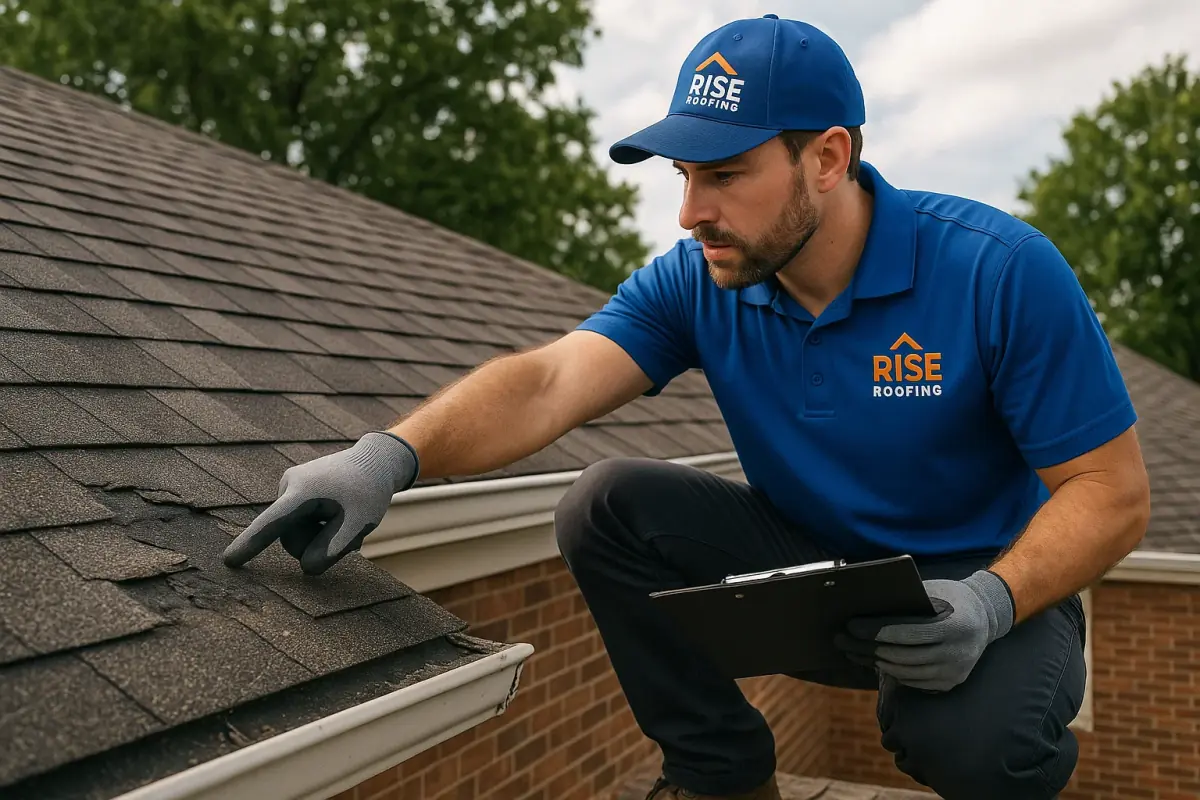
Knowing the signs you need a new roof can save you thousands in emergency repairs and water damage. Most Corpus Christi homeowners don't think about their roof until something goes wrong — a leak during a storm, shingles in the yard, or a failed insurance inspection. By then, damage has already spread to the decking, insulation, and interior.
Here are the 10 most reliable indicators that your roof is due for replacement, plus guidance on when repair is still an option.
10 Signs You Need a New Roof
1. Your Roof Is 20+ Years Old
Architectural shingles last about 25-30 years in Corpus Christi and 3-tab shingles about 12-18, and coastal salt air, intense UV and Gulf moisture punish roofs that are poorly installed or ventilated. If your roof was installed more than 20 years ago and has never been replaced, it's approaching the end of its serviceable life — even if it looks okay from the ground.
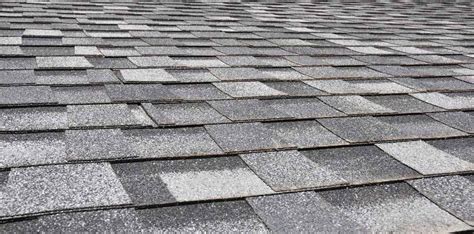
2. Shingles Are Curling or Buckling
Curling shingles (edges turning up) or buckling (wavy distortion) signal that the shingles have lost their waterproofing ability. This is caused by age, heat damage, or inadequate ventilation — all common in Corpus Christi. Once shingles curl, they can't be repaired — only replaced.
3. Granule Loss in Gutters
Finding excessive granules (the sandy coating on shingles) in your gutters or downspouts indicates advanced wear. Granules protect the asphalt from UV damage. Without them, shingles deteriorate rapidly — especially under Corpus Christi's intense sun.
4. Missing or Cracked Shingles
A few missing shingles after a storm can be repaired. But if you're frequently finding shingles in your yard or seeing widespread cracking, the roof system is failing. Patch repairs on a failing roof are throwing money away.
5. Daylight Through the Roof Boards
If you can see light coming through your attic roof boards, water can get through too. This indicates rotted or damaged decking that requires both decking replacement and new roofing.
6. Sagging Roof Deck
A sagging roofline — visible from the street as a dip or wave — indicates structural damage from prolonged moisture exposure. This is urgent: a sagging roof can collapse under the weight of heavy rain or additional water accumulation.
7. Water Stains on Interior Ceilings
Brown or yellow stains on ceilings or walls mean water is penetrating the roof system. By the time stains appear, moisture has already saturated the insulation and potentially the structural components. Don't just paint over stains — find and fix the source.
8. Rising Energy Bills
If your AC bills have climbed significantly without changes in usage, your roof may have lost its insulating and reflective properties. A failing roof lets heat transfer directly into your attic, forcing your HVAC to work harder.
9. Moss or Algae Growth
While algae stains (dark streaks) are primarily cosmetic, moss growth indicates trapped moisture that's actively damaging shingles. In Corpus Christi's humid climate, moss can establish quickly in shaded areas and accelerate roof deterioration.
10. Failed Roof Inspection
Insurance companies and home inspectors increasingly require roof certifications. If your roof fails an inspection — due to age, condition, or code compliance — replacement may be required to maintain coverage. RISE Roofing provides free roof inspections with detailed photo reports.
Repair vs Replace: When Is Repair Still an Option?
Repair makes sense when damage is localized to less than 20% of the roof, the roof is under 15 years old, the decking is solid, and no more than one layer of shingles exists. If multiple signs from the list above are present, roof replacement is the smarter financial decision.
Not sure? Schedule a free inspection — we'll give you an honest assessment of whether repair or replacement makes more sense for your situation. Call (361) 208-0885.
Frequently Asked Questions
The most reliable signs are: roof age over 20 years, curling or buckling shingles, excessive granule loss, sagging deck, water stains on interior ceilings, and rising energy bills. If 2 or more signs are present, schedule a professional inspection. Call (361) 208-0885 for a free assessment.
In Corpus Christi's climate, 3-tab shingles last about 12-18 years, architectural 25-30 and impact-resistant 30+, metal roofs last 40-60 years, and DECRA stone-coated steel lasts 50+ years. Proper ventilation and maintenance can extend any roof's life by 5-10 years.
Repair is viable when damage affects less than 20% of the roof and the roof is under 15 years old. However, repairing a roof near end-of-life is usually more expensive long-term than replacement — you end up paying for multiple repairs that don't extend the roof's overall lifespan.
Texas homeowner insurance generally covers roof damage from storms, hail, and wind (minus your deductible). Along the coast, including Corpus Christi, a homeowners policy might not cover wind and hail damage; that takes a separate windstorm policy, which many people get from TWIA. However, insurance does not cover normal wear and aging. RISE Roofing provides free storm damage inspections with photo documentation for your claim.
Ready for a free estimate? Call RISE Roofing at (361) 208-0885 or request a quote online.
Industry resources from the National Roofing Contractors Association (NRCA).