
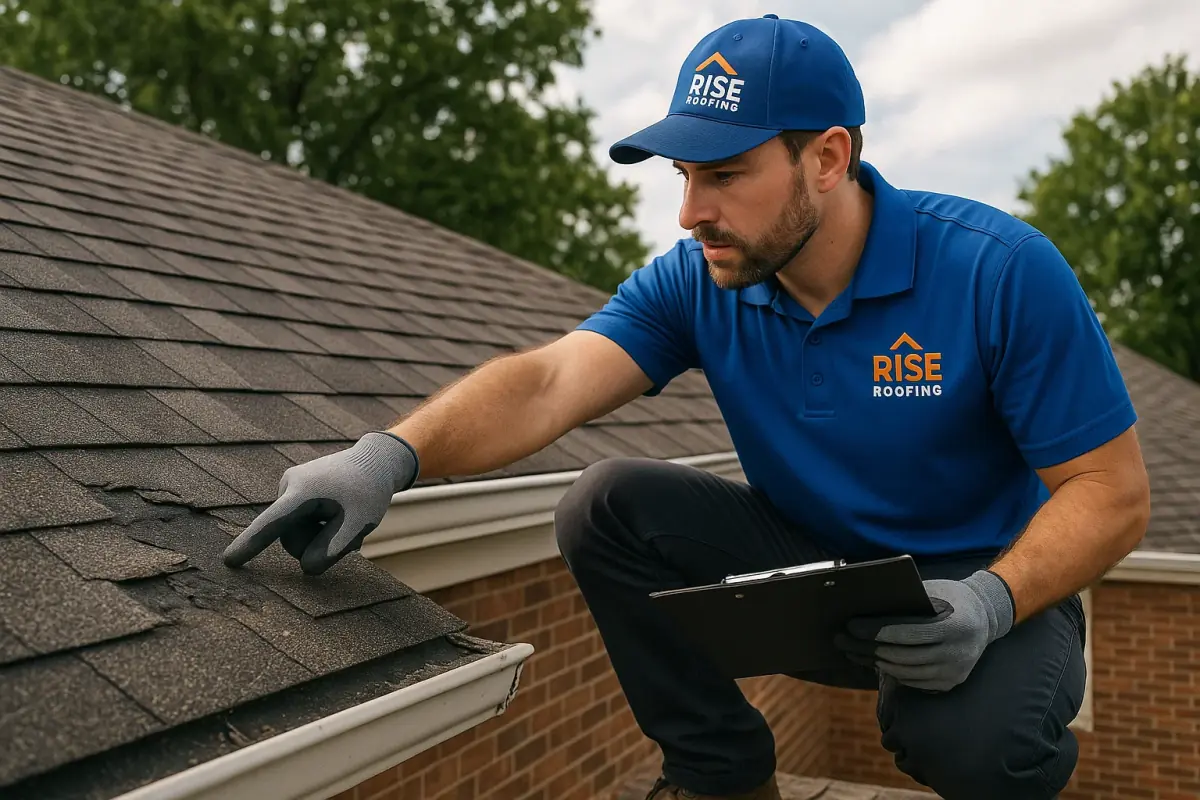
Most roofs give plenty of warning before they fail. The signs you need a new roof show up in the gutters, on your ceilings, in the attic and in the shingles themselves, often a season or two before water starts dripping. This guide lists nine of them, explains which problems can still be repaired, and shows how long each type of roof usually lasts here.
Spotting one or two of these signs does not automatically mean a replacement. It means the roof deserves a closer look. Our inspections are free, and we will tell you plainly whether a repair or a new roof makes more sense.
How Long Each Type of Roof Lasts in Corpus Christi
Age is the first thing to check, because every roofing material wears out on its own timeline. These are the ranges we use when we talk with homeowners about their roofs:
- 3-tab asphalt shingles: 12 to 18 years
- Architectural shingles, including Owens Corning Duration: 25 to 30 years
- Impact-resistant (Class 4) shingles: 30+ years
- Corrugated metal: 25 to 40 years
- R-panel metal: 30 to 40 years
- 5V metal: 35 to 45 years
- Standing seam metal: 50 to 70 years
- DECRA stone-coated steel: 50+ years
A roof can wear out ahead of these ranges when it was installed poorly, vented badly or hit hard by a storm. It can reach the top of its range with good attic ventilation and regular upkeep. If you do not know your roof's age, check your closing papers or the seller's disclosure, or ask a neighbor who was there when it went on. Our article on how long a roof lasts goes deeper into each material.
The 9 Signs You Need a New Roof
You can check most of these from the yard, the gutters and the attic. One sign on its own may only call for a repair. Several together point strongly toward replacement.
1. The roof is at or past its expected life
Compare your roof's age with the ranges above. A 3-tab roof at 17 years or an architectural shingle roof at 28 is running out of time even if it looks fine from the street, because the shingles have been drying out and shedding granules for years. Planning a replacement on your own schedule is far easier than reacting to a leak in the middle of storm season.
2. Shingles are curling, cupping or buckling
Healthy shingles lie flat. When the corners turn up, the middles dip into a cup, or whole rows ripple like a wave, the shingles have lost their flexibility to heat and age, or the attic underneath is holding too much heat and moisture. Curled edges catch the wind and let rain blow underneath. Once curling shows across entire slopes, the roof is close to the end.
3. Granules are collecting in the gutters
The sand-like granules on top of a shingle shield the asphalt from sunlight. A brand-new roof sheds some loose granules for a while, and that is normal. On an older roof, heavy piles at the downspout outlets, or dark bare patches where the asphalt shows through, mean the shingles are losing their protection and will age quickly under the South Texas sun.
4. Shingles are missing, cracked or creased
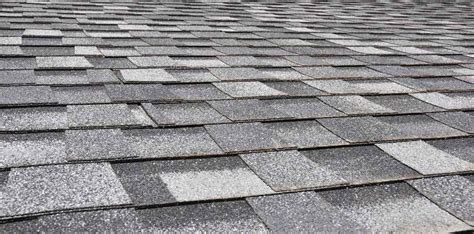
Losing a few shingles in a strong wind happens, and on a younger roof it is usually a repair. The warning sign is a pattern: shingles coming off after every storm, cracks running across many tabs, or a straight crease near the top of a tab where wind lifted it and folded it back. A crease means the seal under that shingle has let go, so it is likely to lift again in the next blow.
5. Water stains or repeat leaks inside
Brown rings on a ceiling, peeling paint high on a wall, or a damp spot around a light fixture all mean water got past the roof. A single leak from a cracked pipe boot is a repair. Leaks in several rooms, or a leak that returns after it was fixed, suggest the roof as a whole is failing. Painting over a stain hides the problem without stopping it.
6. Daylight, damp wood or rusty nails in the attic
On a sunny day, take a flashlight into the attic, step only on the framing, and look up. Light showing between boards, dark stains on the decking, a musty smell, or rust on the nail tips poking through the deck all point to water or condensation getting in. Wet or matted insulation is another clue that the roof covering is no longer keeping the house dry.
7. The roof line sags or the deck feels soft
Look at the ridge and the roof planes from across the street. A ridge that dips, or a slope with a visible low spot, can mean the decking or the framing beneath it has been weakened by long-term moisture. An inspector may also find soft, spongy areas underfoot. Sagging is the most serious sign on this list, so do not walk on that part of the roof, and have it inspected soon.
8. Rust, loose screws or worn washers on a metal roof
Exposed-fastener metal roofs, such as corrugated, R-panel and 5V, are held down by screws with rubber washers. Years of sun dry those washers out until they crack, and the panels' daily expansion and contraction slowly work the screws loose. A handful of loose screws can be replaced. Rust eating through the panels, screws missing across a whole slope, or leaks along many fastener rows mean the panels are near the end of their life, especially close to salt water.
9. Storm damage across the roof, or your insurer flags it
Hail leaves dark bruises and dents where granules were knocked loose, and strong wind can unseal shingles over whole slopes. When damage is spread across the roof instead of sitting in one spot, a patch rarely puts it right. Some insurers also ask for a replacement after their own inspection finds a roof worn out. Our guides to hail damage on a roof and to an insurer requiring a roof replacement cover both situations.
Problems That Usually Mean a Repair, Not a New Roof
Not every roof problem is a reason to replace the whole thing. On a roof that still has years left, these are often fixable:
- Dark streaks. The black stripes on many shingle roofs are usually algae. They look bad, but they are mostly a cosmetic issue.
- A cracked pipe boot. The rubber collar around a plumbing vent dries out in the sun and splits. It can be replaced on its own.
- A few blown-off shingles. On a roof that is nowhere near the end of its life, new shingles can usually be slipped in where the old ones were.
- Flashing at one wall or chimney. A leak where the roof meets a wall often comes from the flashing, not from the main part of the roof.
- A leak at one skylight or rooftop unit. The fix is often limited to that one opening.
Repairs go on our calendar like any other job and can be a couple of weeks out in busy periods, so it pays to call when you first notice a problem. If a repair would only buy a short time on a worn-out roof, we will say so and price the replacement as well.
How to Check Your Roof Safely From the Ground
You can spot most of these signs without climbing a ladder. Roofs are slick, steep and hot, and a fall costs far more than an inspection.
- Walk around the house with binoculars and look for missing, curled or creased shingles, rust on metal and loose flashing.
- Check the gutters and the ground under each downspout for piles of granules.
- Look at the roof line from across the street for dips or waves.
- Check ceilings, closets and the tops of walls for stains, especially after a heavy rain.
- Visit the attic with a flashlight on a sunny day and look for light, stains and damp insulation.
- After a storm, scan the yard for shingle pieces, granules or bits of metal trim.
Write down what you find and take dated photos. Those notes help an inspector, and they help an insurance claim if a storm caused the damage.
Why the Coast Wears Roofs Out Faster
Several forces work on a roof here all year. Strong sun bakes the asphalt in shingles and dries out sealants and rubber parts. Humid Gulf air keeps attics damp, and an attic without enough intake and exhaust traps heat and moisture under the deck, which ages shingles from below and rots wood. Salt in the air corrodes nails, flashing and exposed fasteners, and it works faster the closer you live to the bay or the Gulf.
Wind finishes the job. Gusts pull hardest at the edges, corners and ridge, so those areas usually show damage first. Balanced ventilation slows much of this wear; our guide to roof ventilation and ridge vents explains how intake and exhaust work together.
What Happens at a Free Roof Inspection
We start with the parts that tend to fail first: edges, ridge, flashing, pipe boots, vents and any equipment mounted on the roof. Then we check the rest of the surface for the nine signs above. On steep or tall roofs, a drone gets us clear photos of every slope. When the attic is accessible, we also check the underside of the deck for stains, rusted nails and trapped heat.
You get the photos and a plain summary of what needs attention now, what can wait, and whether a repair or a new roof is the better value. If replacement makes sense, a written, price-locked quote usually follows within 24 to 48 hours. The proposal holds for about 15 days, and the price locks once you sign. Our roof inspection page has more detail.
Insurance, Roof Age and Storm Damage
Homeowners insurance is meant for sudden damage, such as hail or a windstorm, not for a roof that has simply worn out. Along the coast, wind and hail damage is often covered by a separate windstorm policy, and many local homeowners carry that coverage through the Texas Windstorm Insurance Association. Your policy papers will show which one applies.
If you think a storm damaged your roof, the Texas Department of Insurance advises filing a claim as soon as you can and taking photos and video of the damage. Its tips after hail or windstorms list the other steps. We can inspect the roof and give you a written report with photos to send to your insurer.
Your insurance company's adjuster sets the scope and makes the coverage decision. If tear-off reveals damage the approved scope missed, we send your insurer a supplement with photos so it can review the extra work.
What Replacing a Roof Involves Here
Nueces County is in the catastrophe area designated by the Texas Department of Insurance, so a new roof here is inspected against the windstorm code while the work is going on, and TDI issues a WPI-8 certificate once it passes. We pull the city permit, schedule the windstorm inspections and handle the paperwork, as our Texas windstorm guide explains. TDI describes the program on its windstorm inspection pages.
Inside the windstorm area we tear off the old roof on every replacement instead of layering over it, which lets us check the deck and replace rotten boards. Any decking replacement is priced per sheet on the quote, separate from the signed price. The new installation carries our 10-year workmanship warranty, and the materials carry their own manufacturer's warranty. Our roof replacement page covers the materials we install.
Timing a Replacement Around Hurricane Season
The Atlantic hurricane season runs from June 1 to November 30. If your roof shows several of the signs above, booking the replacement for late winter or spring leaves time to finish the work and the windstorm inspection before the busiest storm months. Roofs get replaced during the season too; the crew simply plans each day around the weather.
If cost is the worry, financing is available through Acorn Finance, a third-party lender, for qualified homeowners. The terms are on our roof financing page. Either way, a free inspection is the easiest place to start.
Frequently Asked Questions
Look at age first, then at how widespread the damage is. A problem in one spot, like a cracked pipe boot or a few missing shingles on a young roof, is usually a repair. Several signs together, such as curling shingles, heavy granule loss, attic moisture and repeat leaks on a roof near the end of its expected life, usually point to replacement. A free inspection settles it.
It depends on the material: about 12 to 18 years for 3-tab shingles, 25 to 30 for architectural shingles, 30 or more for impact-resistant shingles, 25 to 40 for corrugated metal, 30 to 40 for R-panel, 35 to 45 for 5V, 50 to 70 for standing seam and 50 or more for DECRA stone-coated steel.
Usually not. Homeowners and windstorm policies are written for sudden damage from events like hail and wind, not for normal wear. If a storm damaged your roof, we can give you a written report with photos for your insurer, and the adjuster decides what is covered.
Not inside the Texas windstorm area, which includes Nueces County. There we tear off the old roof on every replacement so the deck can be checked and rotten boards replaced. The only roof we install over existing shingles is stone-coated steel on homes outside that area.
Yes. The inspection is free, you get photos of what we found, and if a replacement makes sense you usually receive a written, price-locked quote within 24 to 48 hours.