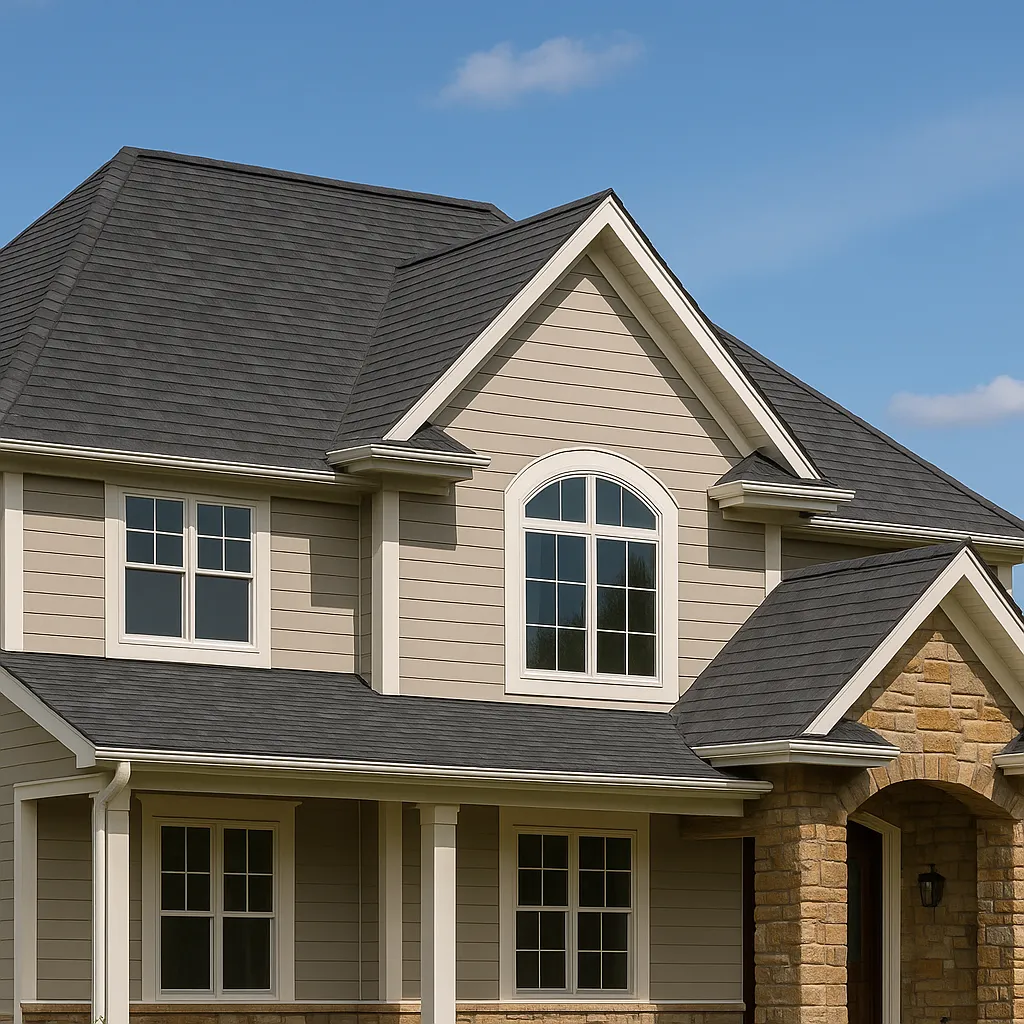
Roof ventilation is the system that moves air through your attic space — pulling in cool outside air through intake vents (typically at the soffits) and exhausting hot, moist air through exhaust vents (typically at the ridge or near the peak). This airflow cycle is the single most important factor in how long your roof lasts and how efficiently your home handles Texas heat.
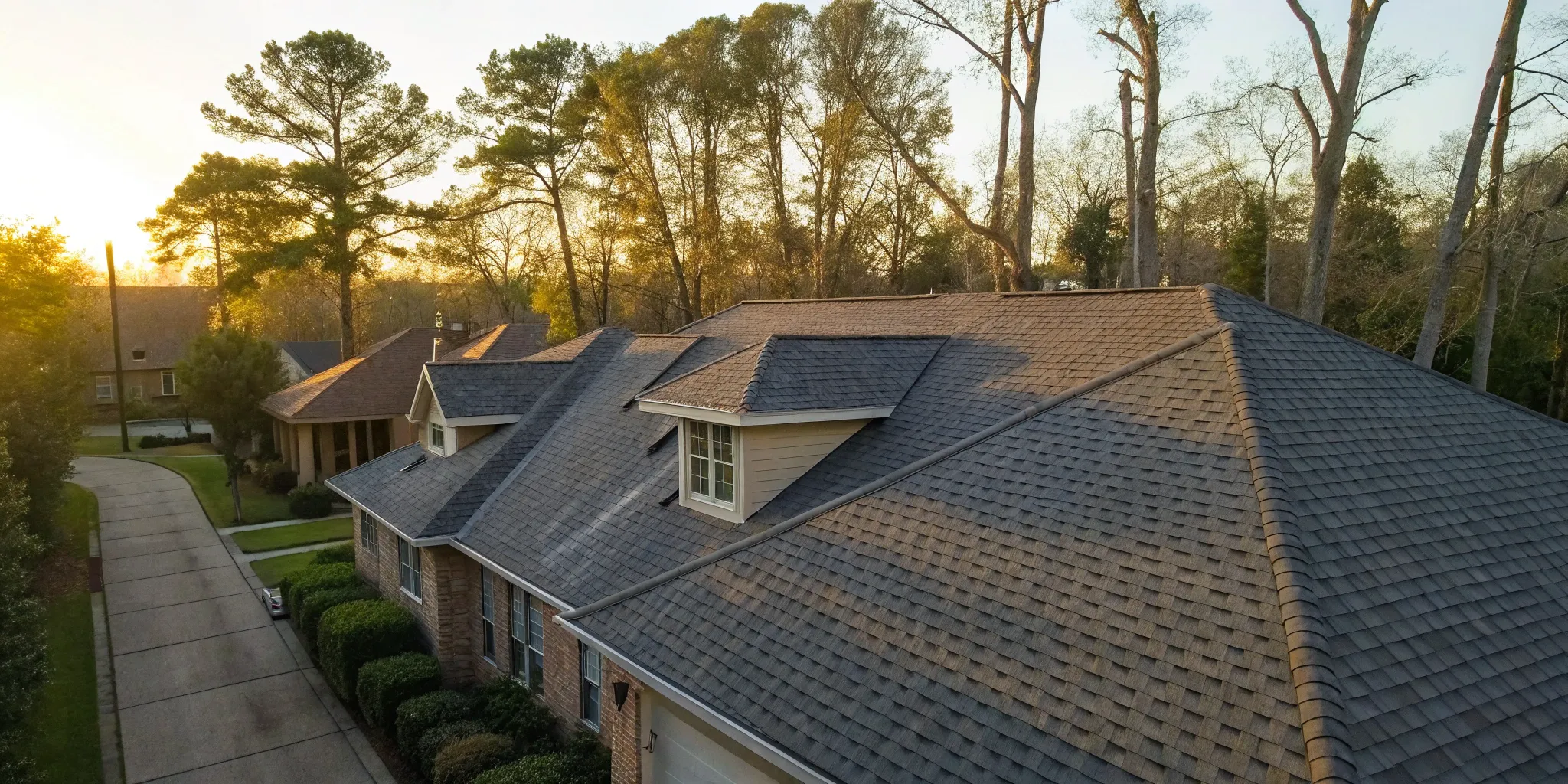
Without proper roof ventilation, your attic becomes a heat trap. In a South Texas summer, an unventilated attic can reach 150-170°F — cooking your shingles from below while the sun cooks them from above. That double assault cuts years off your roof’s life. In winter, poor ventilation traps moisture that condenses on the underside of your roof deck, leading to mold, rot, and structural damage.
Not sure if your attic ventilation is adequate?
RISE Roofing provides free ventilation assessments as part of every roof inspection. Call (361) 208-0885
Effective roof ventilation relies on a simple principle: hot air rises. As the sun heats your roof, the air in your attic warms and rises toward the peak. Exhaust vents at or near the ridge allow this hot air to escape. As hot air exits, it creates negative pressure that pulls cooler outside air in through intake vents at the soffits (the underside of your roof overhang).
This continuous cycle — intake at the bottom, exhaust at the top — is called passive ventilation because it requires no mechanical power. It works 24/7 as long as the vents are properly sized and unobstructed. The key is balance: you need roughly equal amounts of intake and exhaust ventilation for the system to work efficiently.
A ridge vent runs along the entire peak of your roof, providing continuous exhaust ventilation across the full length of the ridgeline. It’s the most effective exhaust vent type because it vents evenly across the entire attic — no hot spots, no dead zones.
During roof installation, a gap (typically 1-2 inches wide) is cut along both sides of the ridge board. A ridge vent profile — usually a rigid plastic or mesh baffle covered by shingle cap — is installed over this opening. Hot attic air escapes through the gap, passes through the baffle (which blocks rain and debris), and exits at the peak. The vent is nearly invisible from the ground because it’s covered by ridge cap shingles.
The ridge vent outperforms other exhaust options for most roof designs:
Soffit vents are installed in the underside of your roof overhang (the soffit) and provide the intake air that drives the entire roof ventilation system. Without adequate soffit intake, even the best ridge vent can’t function — there’s no airflow path.
Continuous perforated soffit panels provide the most consistent intake. Individual soffit vents (round or rectangular) work but provide less total airflow. The most common ventilation failure we see on Corpus Christi homes is blocked soffit vents — insulation pushed against the soffit opening, paint covering the perforations, or debris accumulation restricting airflow.
The standard building code requirement is 1 square foot of net free ventilation area (NFA) per 150 square feet of attic floor space. With a balanced system (equal intake and exhaust), this reduces to 1:300 — meaning 1 square foot of NFA per 300 square feet of attic.
For a 2,000 square foot home, that means approximately 6.7 square feet of total ventilation area, split roughly 50/50 between intake and exhaust. A standard ridge vent provides about 18 square inches of NFA per linear foot, so a 40-foot ridgeline gives you approximately 5 square feet of exhaust — enough for most homes when paired with adequate soffit intake.
Watch for these indicators that your roof ventilation isn’t working properly:
In the Corpus Christi coastal zone, TWIA compliance requires that roof ventilation meet Texas building code standards. Specifically, attic ventilation must be adequate to prevent moisture damage and premature material failure. During the WPI-8 inspection process, inspectors verify that ventilation components are properly installed and functional.
RISE Roofing ensures every installation meets or exceeds ventilation requirements. We assess your existing ventilation during the estimate process and include any upgrades needed in our scope of work — no surprise add-ons after the project starts.
Asphalt shingles: Most critical. Shingles are the most heat-sensitive common material, and manufacturer warranties typically require specific ventilation standards. Owens Corning both void warranties if ventilation is inadequate.
Metal roofing: Standing seam and metal panels are less affected by heat but still benefit from proper ventilation. Condensation on the underside of metal panels is a real concern without adequate airflow — especially in the humid Coastal Bend climate.
Flat/low-slope commercial roofs: Ventilation works differently on flat roofs. Tapered insulation, above-deck ventilation channels, or mechanical exhaust may be needed instead of traditional ridge/soffit systems.
Proper roof ventilation can extend your roof’s life by 20-30% and ease the cooling load on your home. If your attic runs hot, your shingles are aging prematurely, or you’re not sure your ventilation meets code, RISE Roofing provides free ventilation assessments with every roof inspection.
Every component of a roofing system faces accelerated stress under Corpus Christi's conditions of coastal salt air, hurricanes, and intense UV. Underlayment, ventilation, flashing, and fastener specifications must all account for local conditions to deliver their rated performance life. RISE Roofing specifies every component for the Coastal Bend conditions — not national averages — ensuring the complete system performs as an integrated unit.
For Corpus Christi homeowners evaluating contractor proposals, understanding component-level specifications helps distinguish quality installations from shortcuts that compromise long-term performance. Call (361) 208-0885 for a free assessment that explains exactly what your roof needs.
Corpus Christi's position on the Gulf Coast means every roofing decision must account for salt air corrosion, hurricane-force wind loads, and intense UV exposure that accelerates material aging. RISE Roofing has served the Coastal Bend since day one — earning manufacturer certifications that demonstrate our expertise in TDI-compliant installations that protect both your property and your TWIA insurance coverage. From Flour Bluff to Port Aransas, our team delivers roofing solutions engineered specifically for coastal Texas conditions.
Call: (361) 208-0885 | Schedule your free inspection
Related guides: Roof Maintenance Checklist | How Long Does a Roof Last? | Roof System Components
Building code resources from the NRCA.
🔒 Free, no-obligation quote — Price-locked estimate in 24 hrs
Trace your roof on satellite imagery and get a real installed price in under 60 seconds.
Powered by satellite roof measurement technology. No obligation.