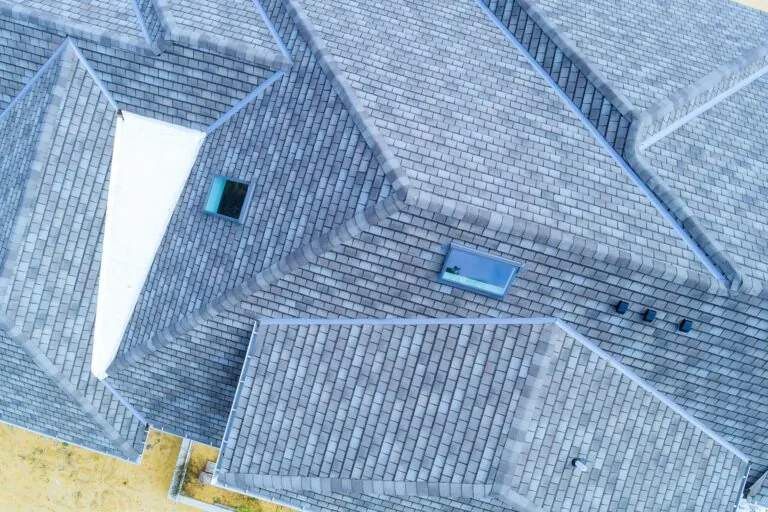
Roofing underlayment is the waterproof or water-resistant barrier installed directly on your roof deck (the plywood or OSB sheathing) before the shingles, metal panels, or tile go on top. Think of it as your roof’s second line of defense — if wind-driven rain gets under your shingles or a fastener works loose, the underlayment is what keeps water out of your home.
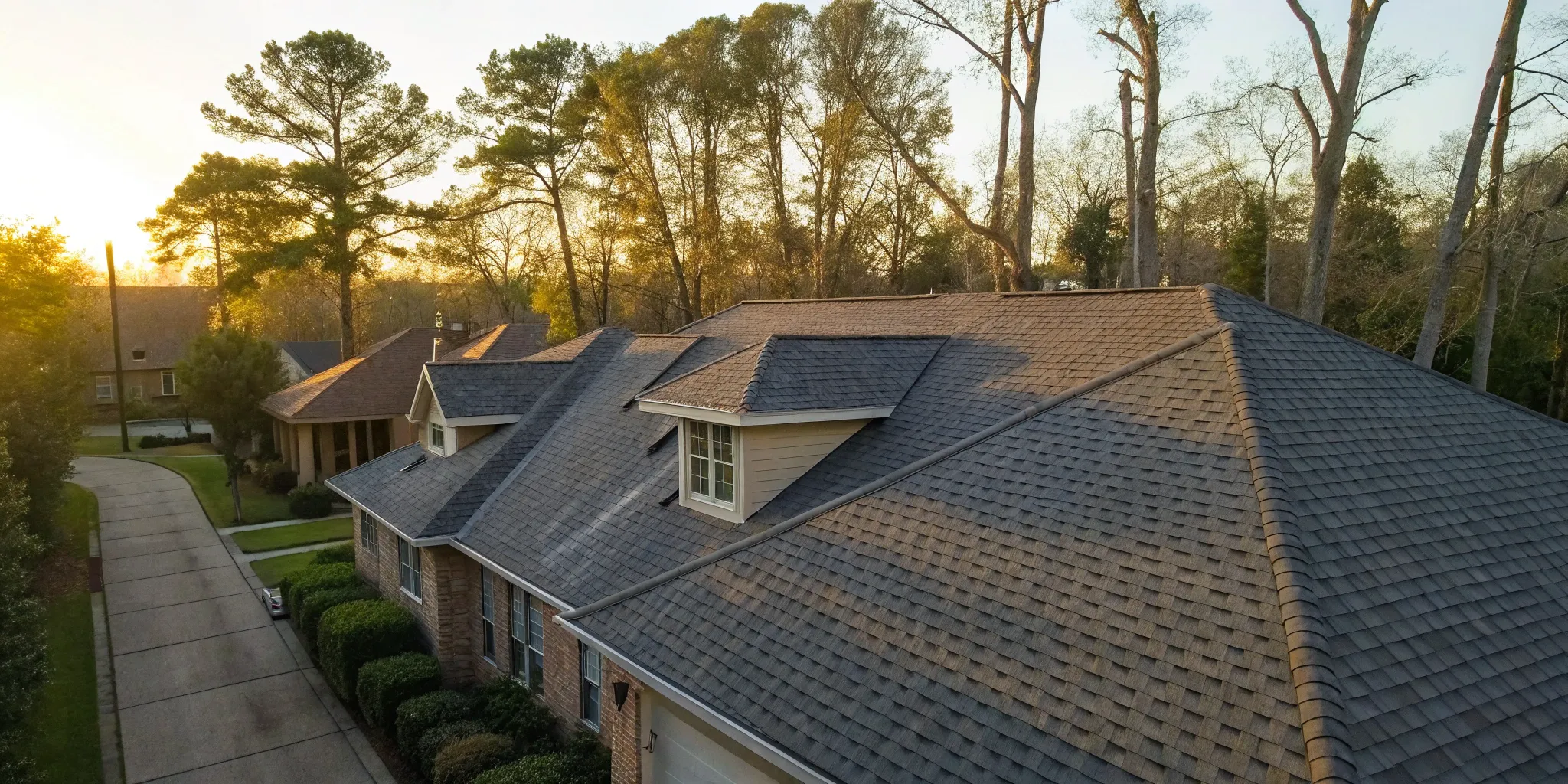
In the Corpus Christi coastal zone, underlayment isn’t just good practice — it’s a TWIA requirement. The Texas Department of Insurance mandates specific underlayment types and installation methods for windstorm insurance compliance. Cutting corners on roofing underlayment can void your TWIA coverage and leave you unprotected when it matters most.
Synthetic roofing underlayment is the current industry standard for quality installations. Made from woven or spun polypropylene or polyethylene, synthetic underlayment is lighter, stronger, and more tear-resistant than traditional felt. It lies flat without wrinkling, resists UV exposure for weeks or months (important if there’s a delay between decking and shingle installation), and provides excellent water resistance.
Common products include CertainTeed DiamondDeck, and Owens Corning ProArmor. Most synthetic underlayments carry 25-year+ warranties and meet TWIA requirements for coastal Texas installations. This is what RISE Roofing installs on every project.
Felt underlayment — the traditional black tar paper — comes in #15 (15 lb per square) and #30 (30 lb per square) weights. #30 felt is thicker and more durable, while #15 is the minimum code requirement for most applications. Felt is less expensive than synthetic but has significant drawbacks: it tears easily during installation, absorbs water and wrinkles when wet, degrades quickly under UV exposure, and provides less slip resistance for installers on steep slopes.
Felt is still code-compliant in many areas but is increasingly being phased out in favor of synthetic products that perform better in every measurable way.
Peel-and-stick roofing underlayment — also called ice and water shield — is a rubberized asphalt membrane that bonds directly to the roof deck. It creates a completely waterproof seal, even around nail penetrations, making it the highest-performing underlayment available.
In Texas, peel-and-stick is typically used in high-risk areas: valleys, eaves, around penetrations (vents, chimneys, skylights), and along rake edges. Some homeowners and insurers opt for full-deck peel-and-stick coverage — sealing the entire roof deck creates a secondary water barrier that earns additional TWIA premium credits and provides the ultimate protection against wind-driven rain.
In the Corpus Christi designated catastrophe area, roofing underlayment must meet Texas Department of Insurance (TDI) windstorm building code requirements. The specifics vary by wind zone, but the general requirements include underlayment rated for high-wind exposure, proper overlap (typically 4 inches horizontal, 6 inches at hips and ridges), mechanical fastening with cap nails or staples at specified intervals, and peel-and-stick application at all valleys, eaves, rakes, and penetrations.
These requirements are verified during the WPI-8 inspection that every roof in the TWIA zone must pass. RISE Roofing installs underlayment to the highest TDI standard on every project — not just the minimum. This protects your home and ensures your windstorm insurance eligibility.
For Corpus Christi and Coastal Bend homes, the choice is straightforward:
Standard recommendation: Synthetic underlayment — the best balance of performance, cost, and TWIA compliance for the vast majority of residential roofs. It handles coastal wind, resists tearing during installation, and provides reliable water resistance beneath shingles or metal.
Premium upgrade: Full-deck peel-and-stick — for homeowners who want maximum protection and are willing to invest in a sealed roof deck. This is especially valuable for waterfront properties, homes in high-wind zones, and anyone who wants the additional TWIA premium discount for secondary water barriers. Adds approximately $1.00-$2.00 per square foot to the project cost.
Budget option: #30 felt — still code-compliant and less expensive, but we recommend synthetic for any home in the coastal zone. The performance difference is significant and the cost gap is small relative to the total project.
Asphalt shingles: Synthetic underlayment is standard. Peel-and-stick at valleys, eaves, and penetrations. Premium architectural shingles paired with quality underlayment maximize lifespan.
Standing seam metal: Synthetic underlayment with high-temperature rating (metal can reach 180°F+). Some standing seam manufacturers require specific underlayment products for warranty compliance.
Stone-coated steel and tile: Typically requires heavier underlayment or double-layer application due to the weight and installation method of stone-coated steel and tile products.
Roofing underlayment cost is typically included in your overall roof replacement price, but here’s what each type adds per square foot in 2026:
For a 2,000 sqft roof, the difference between felt and synthetic is roughly $200-$600 — a small price for a significant performance upgrade. Use our Roof Cost Calculator for a complete project estimate.
Underlayment failures are hidden beneath your roofing material, but these signs indicate a problem: water stains on attic-side roof sheathing, mold or dark spots on the underside of decking boards, leaks that appear during wind-driven rain but not during calm rain (water is entering through gaps the compromised underlayment should be blocking), and sagging or soft spots in the roof deck.
If you suspect underlayment failure, a professional roof inspection with attic access can confirm the issue. Underlayment replacement requires removing the roofing material above it — which usually means it’s addressed during a full roof replacement rather than a standalone repair.
Whether you’re planning a new roof, evaluating a roof insurance claim, or just want to understand what’s protecting your home, RISE Roofing can help. We provide free inspections that include underlayment assessment and honest recommendations.
Every component of a roofing system faces accelerated stress under Corpus Christi's conditions of coastal salt air, hurricanes, and intense UV. Underlayment, ventilation, flashing, and fastener specifications must all account for local conditions to deliver their rated performance life. RISE Roofing specifies every component for the Coastal Bend conditions — not national averages — ensuring the complete system performs as an integrated unit.
For Corpus Christi homeowners evaluating contractor proposals, understanding component-level specifications helps distinguish quality installations from shortcuts that compromise long-term performance. Call (361) 208-0885 for a free assessment that explains exactly what your roof needs.
Corpus Christi's position on the Gulf Coast means every roofing decision must account for salt air corrosion, hurricane-force wind loads, and intense UV exposure that accelerates material aging. RISE Roofing has served the Coastal Bend since day one — earning manufacturer certifications that demonstrate our expertise in TDI-compliant installations that protect both your property and your TWIA insurance coverage. From Flour Bluff to Port Aransas, our team delivers roofing solutions engineered specifically for coastal Texas conditions.
Every roofing component faces accelerated stress under Corpus Christi's conditions of salt air corrosion, hurricane winds, and coastal UV. Understanding component-level specifications helps evaluate contractor proposals:
Underlayment: Synthetic (polypropylene-based) rated for 6+ months UV exposure — critical in Corpus Christi where weather delays can leave underlayment uncovered for extended periods.
Ventilation: Enhanced 1:100 ratio (vs. code-minimum 1:150) with balanced soffit intake and ridge exhaust — sized for Corpus Christi's extreme temperature conditions.
Flashing: Step, counter, and through-wall flashing at every transition point — installed with sealant systems rated for Corpus Christi's thermal cycling range.
Fasteners: Ring-shank nails at enhanced pattern density for wind resistance. In Corpus Christi's environment, proper fastener specification prevents the most common installation failure mode.
RISE Roofing specifies every component for Corpus Christi conditions — not national averages. This systems-level approach ensures the complete assembly delivers its rated performance life.
Understanding your roof insurance coverage before you need to file a claim puts you in a significantly stronger position. Corpus Christi homeowners should review their policy annually — specifically confirming whether they have Actual Cash Value (ACV) or Replacement Cost Value (RCV) coverage, understanding their deductible amount and type (flat dollar vs. percentage), and knowing the claim filing deadline after a covered event.
The difference between ACV and RCV coverage is substantial in practice. With ACV, your insurer deducts depreciation based on your roof's age and condition before issuing payment — meaning an older roof in Corpus Christi may receive only 40-60% of the replacement cost. RCV policies pay the full replacement cost minus your deductible, with any depreciation holdback released after you complete the repair. For Corpus Christi properties in areas with frequent weather events, RCV coverage provides meaningfully better financial protection.
Filing and managing a roof insurance claim while simultaneously dealing with property damage is overwhelming. RISE Roofing provides complete claims coordination for Corpus Christi homeowners at no additional cost — this includes initial damage documentation, adjuster meeting attendance, scope-of-loss review, supplemental claim filing for hidden damage discovered during tear-off, and final payment reconciliation.
Texas law protects your right to choose your own roofing contractor regardless of what your insurance company recommends. You are not required to use your insurer's "preferred vendor" list, and your contractor choice cannot affect your claim eligibility or payout amount. RISE Roofing works with every major insurance carrier serving Corpus Christi and understands the documentation standards each requires. Call (361) 208-0885 for a free damage assessment.
Call: (361) 208-0885 | Schedule online
Building code resources from the NRCA.
🔒 Free, no-obligation quote — Price-locked estimate in 24 hrs
Trace your roof on satellite imagery and get a real installed price in under 60 seconds.
Powered by satellite roof measurement technology. No obligation.