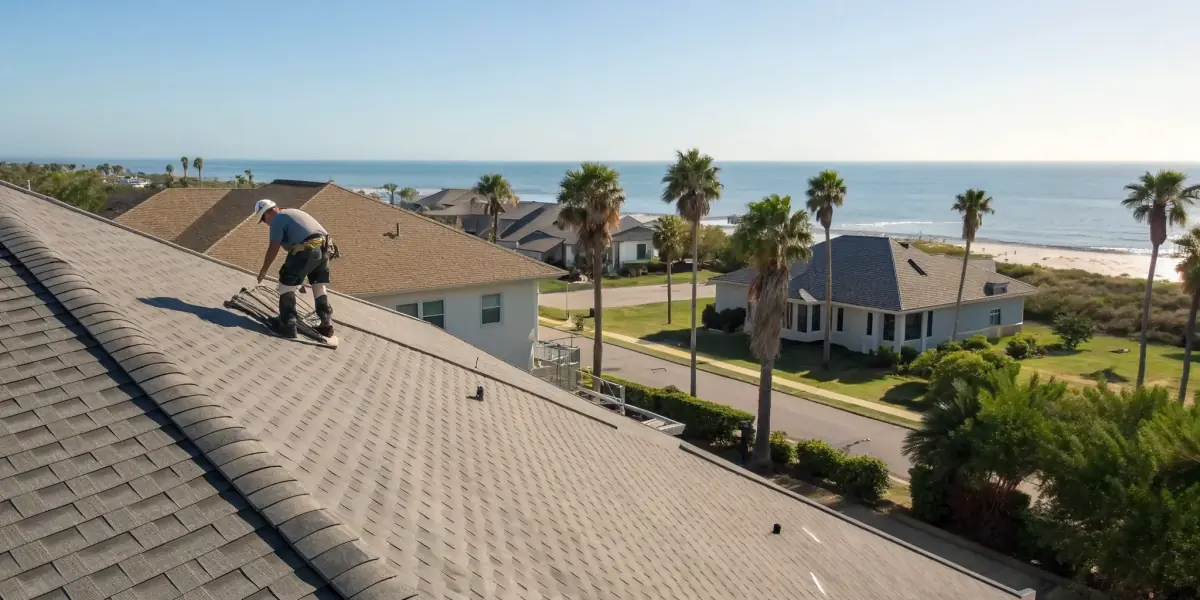
Your roof in Corpus Christi does more than just keep the rain out—it’s your home’s primary shield against intense sun, corrosive salt air, and hurricane-force winds. Choosing the right materials and the right team isn’t a luxury; it’s essential for protecting your property. A standard roof just won’t cut it here. This guide is dedicated to helping you understand what makes a roof truly “coast-ready.” We’ll cover wind-resistant features, energy-efficient materials that beat the Texas heat, and the local building codes you need to know. We’ll give you the knowledge to ensure your roof installation Corpus Christi is built to last.
Choosing the right roofing material for your Corpus Christi home is a big deal. Our coastal climate brings a unique mix of challenges—intense sun, high humidity, salty air, and the ever-present threat of hurricane-force winds. Your roof is your home’s first line of defense, so you need something that can stand up to the elements while still fitting your budget and style. Each material offers a different balance of durability, cost, and aesthetics, and the best choice for your neighbor might not be the best choice for you.
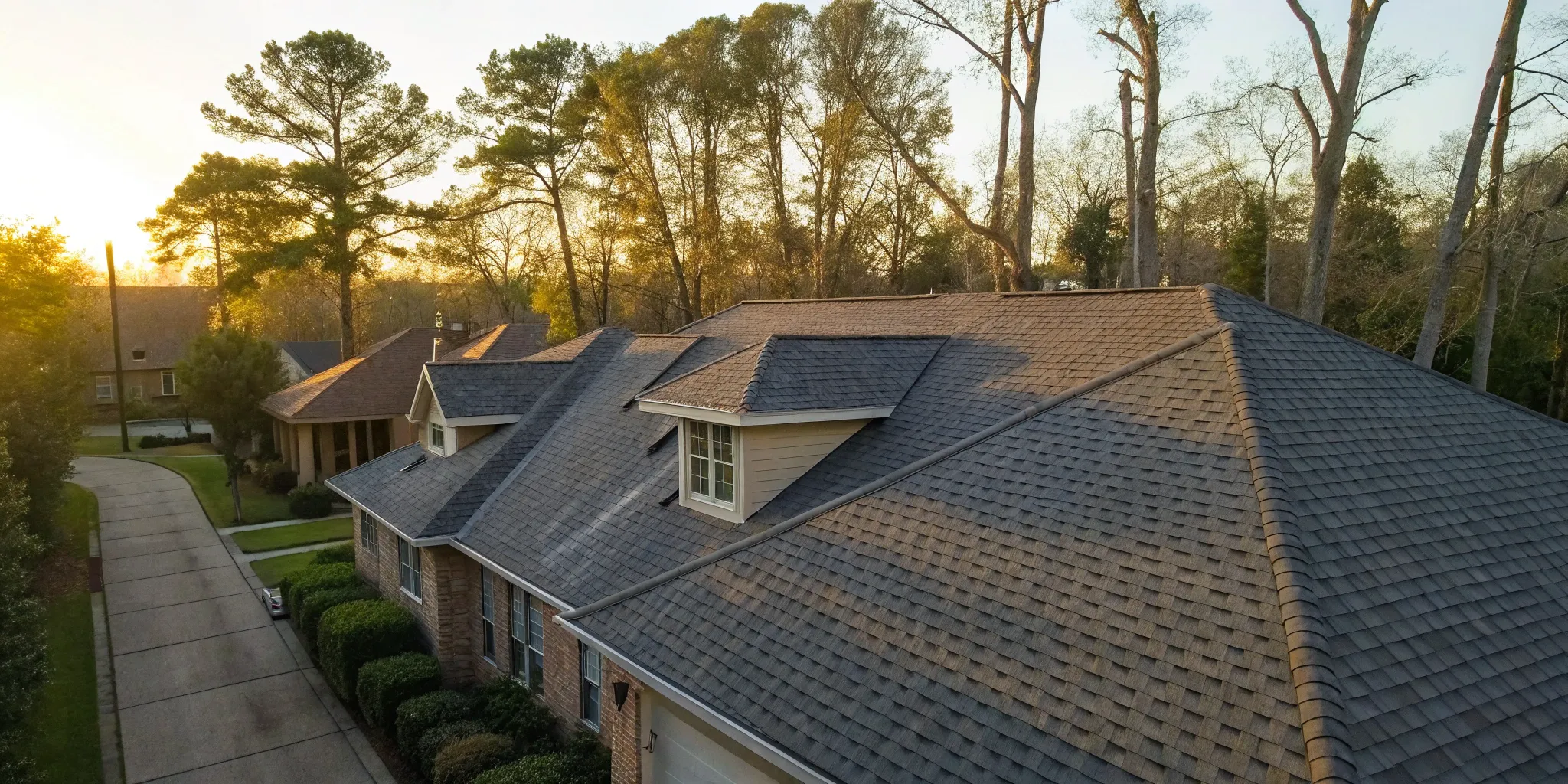
Making an informed decision means understanding the pros and cons of each option. From the classic appeal of asphalt shingles to the modern strength of standing seam metal, there’s a solution for every home. We’ll walk through the most popular and effective residential roofing materials for our area so you can feel confident in your investment. Think about your long-term goals for your home, your budget, and the look you want to achieve as you explore these top contenders.
There’s a reason asphalt shingles are the most common roofing material across the country. They offer a fantastic combination of affordability and versatility, making them an accessible choice for many homeowners. Available in a wide range of colors and styles, they can complement nearly any home design. If you’re looking for a reliable and budget-friendly option, asphalt shingles are a great place to start.
However, it’s important to consider their performance in our coastal environment. The constant sun and high winds can shorten their lifespan compared to more durable materials. While they provide solid protection, they may require replacement sooner. You can use a Shingle Assistant to explore different colors and see how they might look on a home like yours.
When it comes to durability, metal roofing is a top performer, especially for coastal homes. These roofs are engineered to handle intense heat, high winds, and heavy rain, making them an excellent match for Corpus Christi’s weather. Because metal reflects solar radiant heat, it can also help keep your home cooler and reduce your energy bills during our long, hot summers.
While the upfront cost is higher than for asphalt shingles, a metal roof can last 50 years or more with minimal maintenance. This longevity makes it a smart long-term investment for many property owners. Its resilience and energy efficiency provide peace of mind and lasting value, whether for a home or a commercial roofing project.
If you want the strength of metal without sacrificing traditional aesthetics, stone-coated steel is the perfect solution. This premium material combines a durable steel core with a textured stone coating, giving you the look of classic shingles, clay tile, or wood shake. It’s the best of both worlds: timeless beauty and unmatched protection.
Stone-coated steel roofs are exceptionally resistant to wind, hail, and fire, offering one of the highest levels of defense you can get. They won’t crack, curl, or rot, and their interlocking panel design provides superior wind uplift protection. You can see how this material transforms homes by looking at some of our recent projects. It’s an investment in ultimate security and curb appeal.
Tile roofing offers a classic, elegant look that is synonymous with coastal and Mediterranean architecture. Made from clay or concrete, these tiles are incredibly durable and can last for a century or more. They are naturally resistant to fire, insects, and rot, and they won’t be damaged by the salty air. Their mass also helps regulate indoor temperatures, providing a buffer against the Texas heat.
The primary considerations for tile are its weight and cost. Your home’s structure must be strong enough to support it, and the initial installation is a significant investment. However, for homeowners who want a beautiful, long-lasting roof that makes a statement, the timeless appeal and incredible lifespan of tile are hard to beat.
For a clean, modern aesthetic paired with exceptional performance, look no further than standing seam metal. This roofing system features vertical panels with raised, interlocking seams that are hidden from view. This design is not only visually striking but also incredibly effective at preventing leaks and resisting wind uplift—two major concerns in Corpus Christi.
Like other metal roofs, standing seam systems are energy-efficient, durable, and long-lasting. The concealed fasteners reduce the risk of leaks over time, making it one of the most weather-tight roofs available. While it’s a premium option, its sleek look and superior protection make it a popular choice for homeowners seeking top-tier performance. You can use a roof cost calculator to get a general idea of how different premium materials might fit into your budget.
Figuring out the cost of a new roof isn’t as simple as looking up a price tag. The final number depends on a mix of factors, including the materials you choose, the size and shape of your roof, and the team you hire to do the work. Think of it less like buying a product off the shelf and more like a custom project tailored to your home. While every project is unique, understanding the key components of a roofing estimate can help you plan your budget with confidence. For a personalized estimate based on your home’s specific details, a great first step is to use a roof cost calculator to get a ballpark idea. From there, you can see how different choices will impact your total investment.
The material you choose is one of the biggest factors in your final bill. Standard asphalt shingles are often the most budget-friendly option, but they have a shorter lifespan compared to other materials. If you’re looking for something more durable to stand up to the coastal weather, you might consider metal or tile. Metal roofs typically run between $8 and $14 per square foot, while tile roofs can range from $10 to $15 per square foot. While the upfront cost is higher, these materials often last much longer, saving you money over time. Our Shingle Assistant can help you explore different styles and colors to find the perfect fit for your home and budget.
Labor isn’t just an add-on; it’s a huge part of your roofing project, often making up 40% to 60% of the total cost. This price covers the skilled work of the installation crew, from safely tearing off the old roof to meticulously installing the new one. The rate reflects the team’s experience, training, and commitment to safety. A highly-qualified, certified team might have higher labor costs, but that investment ensures the job is done right the first time. Quality installation is key to your roof’s performance and longevity, protecting your home for years to come. You can see the difference professional craftsmanship makes by looking at a contractor’s recent projects.
A simple, single-level gable roof will cost less to replace than a complex roof with steep pitches, multiple dormers, chimneys, or skylights. Why? Complexity adds time and requires more detailed work. Steep roofs demand extra safety equipment and a more methodical pace. Features like chimneys and skylights require precise cutting and flashing to create a watertight seal, which takes more skill and materials. The overall square footage of your roof is the baseline, but these architectural details play a significant role in determining the final price. A detailed quote from a professional will always account for the unique character of your roof.
Before your beautiful new roof can be installed, the old one has to go. Tearing off and disposing of old roofing materials is a crucial step that typically adds between $1,000 and $3,000 to the project cost. This fee covers the labor to remove the old shingles, underlayment, and any damaged decking, as well as the cost of hauling it all away and disposing of it responsibly. While it might seem like a hefty line item, it’s a non-negotiable part of a proper roof replacement. A transparent contractor will always include this in their initial estimate so you aren’t surprised by hidden fees later on.
A professional roof replacement involves more than just shingles and nails. Most municipalities, including Corpus Christi, require a building permit for this kind of work, which can cost anywhere from $150 to $500. This ensures the project meets local building codes and safety standards. Your contractor should handle the entire permitting process for you. Additionally, once the old roof is removed, the crew might uncover hidden damage to the underlying roof deck that needs to be repaired. A good roofer will discuss any unexpected issues with you before proceeding. Working with a contractor who knows the service areas well ensures all local requirements are met smoothly.
Choosing the right materials for your Corpus Christi home is a big decision, but finding the right team to install them is just as critical. A great contractor ensures your investment is protected and the job is done right the first time, saving you from future headaches and expensive repairs down the road. Think of it this way: even the highest-quality shingles or metal panels will fail if they aren’t installed correctly. The best roofing partners are transparent, experienced, and committed to quality. They communicate clearly, show up on time, and respect your property from start to finish. So, how do you sort through the options and find a contractor you can trust? It comes down to doing a little homework. By checking for a few key qualifications—from proper licensing and local expertise to solid warranties and customer reviews—you can feel confident you’re hiring a professional who will protect your home for years to come. This process isn’t about finding the cheapest bid; it’s about finding the best value and peace of mind.
This is the absolute first step and it’s non-negotiable. A reputable contractor must be fully insured. In Texas, roofing contractors aren’t required to have a state license, but insurance protects you from liability if an accident happens on your property. Ask for proof of both general liability insurance and worker’s compensation. If a contractor can’t or won’t provide these documents, consider it a major red flag and move on. This simple check is your first line of defense and ensures you’re working with a legitimate, professional business that takes its responsibilities seriously.
Corpus Christi’s coastal weather is no joke. Between the intense sun, salty air, and the ever-present threat of hurricanes, our roofs take a beating. That’s why hiring a local contractor is so important. A roofer who works in the Corpus Christi area understands these specific challenges. They know which materials stand up to high winds and which installation techniques prevent moisture damage from humid, salty air. They’re also up-to-date on local building codes, which are often stricter along the coast. This local knowledge is invaluable for building a roof that’s truly made to last.
Before you commit, see what past customers have to say. Online reviews on sites like Google can give you a candid look at a company’s communication, timeliness, and overall quality of work. Look for patterns in the feedback—are customers consistently happy with the process and the final product? Don’t stop there. Ask the contractor for a list of references and to see examples of their recent projects. A confident, proud contractor will be happy to share their portfolio and connect you with satisfied homeowners. This gives you a chance to see their craftsmanship up close.
A new roof is a significant investment, and a solid warranty is your protection for that investment. Reputable contractors offer two types of coverage: a manufacturer’s warranty on the materials and a workmanship warranty on the installation itself. Make sure you get the details of both in writing. How long does the coverage last? What does it include? What is the process for filing a claim? A strong workmanship warranty shows that the contractor stands behind their residential roofing work and is committed to quality long after the job is done. It’s a clear sign you’re working with a true professional.
A new roof is one of the most important investments you’ll make in your home, but the price tag can feel daunting. The good news is you don’t have to pay for it all at once. There are several straightforward financing routes that can make your roof replacement manageable and stress-free. Let’s walk through the most common options so you can find the one that works best for your budget and your home.
This is a popular and direct way to fund your roofing project. Home improvement loans are personal loans designed specifically for renovations. They can be secured (backed by an asset, like your home) or unsecured, and they usually come with fixed interest rates, so your monthly payment won’t change. This predictability makes budgeting much easier. The right roof financing choice really depends on your financial situation and how quickly you need to get the project started. It’s a good idea to check your credit score and shop around with different lenders, like banks or credit unions, to find the best terms.
Did you know that many top roofing manufacturers offer their own financing programs? It’s a fantastic option that homeowners sometimes overlook. These programs are often run in partnership with certified contractors and can feature attractive promotional offers, such as low-interest rates or even deferred payment plans. This allows you to get a high-quality roof now and spread the cost over several months or years, making it much more manageable. When you get a quote for your new roof, always ask your contractor if they offer any manufacturer-backed financing options for the materials you’re considering.
If your roof needs replacing because of storm damage from wind or hail, your homeowners insurance policy is your first line of defense. Most policies cover damage from these types of “acts of God.” The first step is to have a professional inspection to document the damage, then contact your insurance provider to start the claims process. Understanding your deductible and coverage limits is key. We know this process can be confusing, which is why we created an insurance claim estimator to help you get a better handle on what to expect. It can make a huge difference in your out-of-pocket costs.
If you’ve owned your home for a few years, you’ve likely built up some equity—the difference between what your home is worth and what you owe on your mortgage. You can borrow against this value using a home equity loan or a home equity line of credit (HELOC). A home equity loan gives you a lump sum of cash with a fixed interest rate, while a HELOC works more like a credit card with a variable rate. Because these loans are secured by your home, they often have lower interest rates than unsecured personal loans, making them a cost-effective way to finance a major project like a new roof.
Most of us don’t spend much time thinking about our roof until a problem, like a leak, forces us to. But being proactive can save you a lot of stress and money down the road. Your roof gives off subtle (and not-so-subtle) clues when it’s nearing the end of its life. Learning to spot these signs helps you address issues before they cause serious damage to your home’s structure.
Some problems might only require a simple repair, especially if your roof is relatively new and the damage is contained to one area. However, if you notice several of the issues below or your roof is getting older, it might be time to consider a full replacement. The key is to catch problems early. A professional roof inspection is the best way to get a clear picture of your roof’s health and understand your options. Whether you own a home or a commercial property, keeping an eye out for these warning signs is a crucial part of property maintenance.
Your shingles are your home’s armor against the elements. Take a walk around your property and look up. Do you see any shingles that are missing, cracked, curling at the edges, or buckling? After a major storm with high winds, it’s especially important to do a quick visual check from the ground. A few missing shingles might be a straightforward repair, but widespread damage is a red flag. When shingles are compromised, the underlying layers of your roof are exposed to moisture and UV rays, which can lead to bigger problems. If you’re seeing significant wear, our Shingle Assistant can help you explore more durable options.
This is one of the most urgent signs that your roof needs attention. Water stains on your ceilings or walls, peeling paint, or a musty odor in your attic are all indicators of a leak. By the time you see evidence of water inside your home, the issue has likely been present for a while, potentially causing rot or mold in your roof’s structure. If your roof is less than 15 years old and the damage is isolated, a repair might be possible. However, for older roofs or extensive leaks, a replacement is often the smarter long-term solution to protect your home. Storms are a common cause, and our insurance claim estimator can help you understand the process.
When you clean your gutters, do you notice a buildup of coarse, black, sand-like material? Those are asphalt granules from your shingles. These granules are essential for protecting your roof from the sun’s harsh UV rays. When they start to wash away, it means your shingles are aging and becoming brittle. While it’s normal to see a small amount of granule loss on a new roof, finding large accumulations in your gutters is a clear sign that your shingles are deteriorating and losing their protective capabilities. This is a quiet but serious warning that your roof is nearing the end of its effective lifespan.
A sagging roof is a critical issue that requires immediate attention. If you notice a dip, droop, or curve in your roofline, it could indicate a serious structural problem, such as waterlogged or rotting decking. You might also notice a spongy or bouncy feeling when walking on the roof (which we don’t recommend doing yourself). This is a major safety concern and a sign that the underlying supports are compromised. Don’t wait to act on this one. A sagging roof won’t fix itself and puts the integrity of your entire home at risk. It’s best to call a professional for a safe and thorough residential roofing assessment right away.
A new roof is a major investment in your home, so creating a solid budget is the first step to a stress-free project. It’s about more than just the sticker price of materials; a realistic budget accounts for labor, potential surprises, and the long-term health of your roof. By planning carefully, you can ensure you get a high-quality roof that protects your home for years without breaking the bank. Let’s walk through how to build a budget that covers all your bases.
This is a big one. No matter how carefully you plan, surprises can pop up during a roof replacement. That’s why it’s smart to set aside an extra 10% to 15% of your total budget as a contingency fund. This isn’t for splurging on fancier shingles; it’s a safety net for unexpected issues. For example, once the old roofing is removed, your contractor might find rotted decking or damaged flashing that needs to be replaced. Having this fund ready means these necessary repairs won’t derail your project or force you to make tough financial choices on the spot. Think of it as peace of mind in your back pocket.
Don’t just go with the first roofer you call. Getting at least three detailed quotes from reputable contractors is essential for creating an accurate budget. This helps you understand the fair market rate for your project and spot any outliers—quotes that are either too high or suspiciously low. When you compare, look beyond the final number. A good quote will break down costs for materials, labor, permits, and cleanup. This is also your chance to vet the companies, check their reviews, and see who you feel most comfortable working with. You can get a baseline idea of costs by using an online roof cost calculator before you start making calls.
Your roofing budget doesn’t end the day the installation is complete. To protect your investment and extend its lifespan, you need to plan for ongoing maintenance. Think of it like regular oil changes for your car. We recommend having your roof inspected at least once a year, especially after major storms common in the Corpus Christi area. These inspections can catch small issues like a loose shingle or clogged gutter before they turn into major leaks and costly repairs. Factoring in a small annual amount for professional inspections and minor upkeep will save you a lot of money and headaches down the road.
A common pitfall in roofing budgets is overlooking the “hidden” costs. Many homeowners focus on the price of shingles and forget about everything else that goes into the job. Make sure your quotes explicitly include expenses like tearing off and disposing of the old roof, the cost of permits, and potential repairs to the underlying wood structure. If your project is part of an insurance claim, be aware of your deductible and what your policy actually covers. Using a tool like an insurance claim estimator can help you prepare for those conversations with your provider and avoid any last-minute financial surprises.
Getting a new roof is a big project, but it doesn’t have to be a stressful one. When you know what’s coming, the whole process feels much more manageable. A professional installation follows a clear, organized path from the first inspection to the final cleanup. Your contractor should keep you in the loop every step of the way, ensuring your property is protected and the job is done right. Let’s walk through the key stages so you can feel confident and prepared for your new roof installation.
The process kicks off with a detailed inspection of your current roof. A project manager will assess its condition, take precise measurements, and identify any underlying issues with the decking or structure. After the inspection, you’ll discuss your options. Choosing the right roofing material can feel like a huge decision, but your contractor is there to help. They’ll explain the pros and cons of different materials, considering factors like durability, aesthetics, and your budget. The Texas coast, with its intense sun and humid, salty air, requires materials built to last. Our Shingle Assistant can help you visualize how different options will look on your home.
A standard residential roof replacement usually takes between one and five days, though larger or more complex projects can take longer. Your contractor will give you a specific timeline before work begins. Of course, in Corpus Christi, we always have to account for the weather. A good roofing team constantly monitors the forecast and will never start a job—or leave your roof exposed—if rain or high winds are imminent. If unexpected weather pops up mid-project, the crew will secure the area with tarps to protect your home from the elements. Communication is key, and your contractor should let you know immediately if the schedule needs to adjust due to weather delays.
Once installation day arrives, you can expect the crew to show up early. The first step is preparing your property by covering landscaping and moving fragile items away from the house. Then, the tear-off begins, which can be noisy and messy as the old roofing material is removed. Throughout the day, you’ll hear hammering and see a lot of activity. It’s a good idea to keep pets indoors and ensure your cars are moved out of the driveway to make room for the dumpster and supply trucks. You can see examples of our team’s tidy work sites and finished roofs in our recent projects gallery.
After the last shingle is in place, the crew begins a thorough cleanup. This isn’t just about picking up big debris; it involves using magnetic rollers to find stray nails in your lawn, driveway, and garden beds. The goal is to leave your property looking as good as, or better than, it did when they arrived. Once the site is clean, you’ll do a final walk-through with the project manager. This is your chance to inspect the work, ask questions, and make sure you’re completely satisfied. After the walk-through, you’ll handle the final paperwork and receive your warranty information for your new residential roofing.
Living in Corpus Christi means enjoying the coast, but it also means your home’s roof needs to be ready for some serious weather. The combination of intense sun, salty air, and the ever-present threat of hurricanes requires more than just a standard roof. You need a system designed to withstand the specific challenges of our climate. When choosing materials for your roof replacement, think about features that offer robust protection from high winds, provide energy efficiency to handle the heat, and resist the corrosive effects of salt and moisture.
When hurricane season rolls around, you want peace of mind knowing your roof is your home’s first line of defense. In a place like Corpus Christi, where winds can easily exceed 100 mph during a storm, wind resistance is non-negotiable. Materials like standing seam metal and stone-coated steel are excellent choices because of their durability and interlocking designs, which help prevent panels from lifting off in high winds. However, the material is only half the battle. Proper installation is critical. A certified contractor will use the right fastening techniques to ensure every component of your residential roofing system is secure and ready to face the storm.
The Texas sun is relentless, and your roof takes the brunt of it. An energy-efficient roof can make a huge difference in your home’s comfort and your summer cooling bills. Look for materials with high solar reflectivity, often called “cool roofs.” These roofs reflect more of the sun’s rays instead of absorbing them as heat. Light-colored metal, clay tiles, and specially designed asphalt shingles can significantly lower your attic’s temperature. Investing in these CRRC-rated reflective products not only helps you save money on energy costs but also reduces the strain on your HVAC system, extending its life.
The salty sea breeze is one of the best parts of coastal living, but it’s tough on building materials. Salt air is highly corrosive and can cause metal components to rust and other materials to degrade prematurely. To avoid this, you need a roof that can stand up to constant exposure to salt and humidity. Materials like clay tile are naturally resistant to salt corrosion. Stone-coated steel is another fantastic option, as its multiple protective layers shield the underlying metal from the elements. When choosing your materials, it’s important to consider their long-term durability in this environment. Our Shingle Assistant can help you compare options that offer the best protection.
When you’re planning a roof installation, thinking about building codes might feel like diving into a sea of red tape. But in a place like Corpus Christi, these rules are your best friend. They exist for one simple reason: to keep you and your property safe from our unique coastal weather. Local building codes are a detailed set of standards that govern everything from the types of materials you can use to the specific way shingles or panels must be attached. This isn’t just about bureaucracy; it’s about ensuring your roof is strong enough to handle everything from intense summer sun to hurricane-force winds.
Following these codes is non-negotiable for a safe, long-lasting roof. A properly installed roof that meets or exceeds local standards will offer superior protection against high winds, driving rain, and the corrosive salt air that can prematurely age roofing materials. This is why working with a contractor who has deep expertise in Corpus Christi’s residential roofing requirements is so important. They understand the specific ordinances and will make sure every detail is handled correctly, giving you peace of mind that your home is protected by a solid, compliant, and durable roof that’s built for the coast.
The short answer is yes, you almost certainly do. In Corpus Christi, most roofing projects, including a full replacement, require a permit from the city. This isn’t just a bureaucratic step; it’s a crucial part of the process that ensures your project is officially documented and meets all local safety regulations. The permit process triggers inspections that verify your contractor is doing the work correctly and according to code.
Trying to skip this step can lead to serious problems. Without the proper permit, you could face hefty fines and even be required to tear off the new roof. Plus, a lack of permits can create major hurdles if you ever decide to sell your home. Understanding the local permit requirements is essential, so always confirm that your chosen contractor will handle pulling all necessary permits before any work begins.
Living on the coast means our homes need to be tougher than average, and that’s exactly what coastal building standards are for. These regulations go above and beyond general building codes to address the specific challenges of our environment, namely high winds and corrosive salt air. For your roof, this means using specific materials and installation techniques designed to prevent wind uplift during a hurricane or tropical storm.
These standards might dictate the type of nails used, the pattern for securing shingles, or the need for reinforced roof decking. A contractor who is unfamiliar with these specific requirements could install a roof that looks great but fails when you need it most. That’s why it’s so important to partner with a local expert who knows the ins and outs of Corpus Christi’s coastal codes. They’ll help you choose materials and use methods that ensure your roof is not only beautiful but truly built to withstand the coast.
Getting a new roof is a major investment in your home’s safety and value. To make sure it lasts as long as possible, a little proactive care goes a long way. Think of it less as a chore and more as a way to protect your property from the demanding coastal climate. Consistent maintenance helps you catch small issues before they become expensive, complicated problems. It ensures your roof continues to perform at its best, protecting you from high winds, heavy rain, and the intense Texas sun. By staying on top of a few key tasks, you can extend the life of your roof and maintain your peace of mind for years to come.
Think of a roof inspection as a routine check-up for your home. It’s the best way to spot potential trouble early. We recommend having your roof professionally inspected at least twice a year, ideally in the spring and fall. This allows a trained eye to assess how it’s holding up to the changing seasons. It’s also smart to schedule an inspection after any major weather event, like a hurricane or severe hailstorm. A professional can safely identify subtle damage that might not be visible from the ground. Our residential roofing team can spot everything from loose flashing to compromised seals, ensuring your home remains secure.
You don’t have to be a roofing expert to keep an eye on things. Creating a simple, seasonal checklist can help you stay organized and aware of your roof’s condition. A few times a year, take a walk around your property and look for obvious signs of wear. Are there any missing or broken shingles? Do you see an accumulation of shingle granules in your gutters or downspouts? Inside your home, check ceilings and attic spaces for any new water stains or signs of leaks. If you’re unsure what type of material you have, our Shingle Assistant can help you identify it. This simple routine makes it easier to know when it’s time to call for backup.
While a visual check from the ground is helpful, some tasks are best left to the experts. If you notice any of the issues on your checklist or have concerns after a storm, it’s time to call a professional roofing contractor. Attempting to get on the roof yourself can be dangerous and may even cause more damage. A professional has the right safety equipment and training to conduct a thorough assessment. They can determine whether a simple repair will suffice or if more significant action is needed. If you’re dealing with storm damage, a certified roofer can also provide documentation for your insurance company. Our insurance claim estimator can give you a head start on understanding potential costs.
How long should a roof in Corpus Christi actually last? The lifespan of your roof really depends on the material you choose and how well it’s maintained. For example, a 3-tab asphalt shingle roof might give you 12 to 18 years of solid protection. If you invest in a more durable option like standing seam metal or stone-coated steel, you could be looking at 50 years or more. The key factors in our coastal climate are professional installation and regular inspections, as the intense sun, high winds, and salty air can shorten any roof’s life if it isn’t properly cared for.
Is it better to repair my roof or just replace the whole thing? This decision comes down to the age of your roof and the extent of the damage. If your roof is relatively new and has a small, isolated issue—like a few shingles that blew off in a storm—a professional repair is often the perfect solution. However, if your roof is nearing the end of its expected lifespan, has widespread damage, or is causing recurring leaks, a full replacement is almost always the smarter and more cost-effective choice in the long run.
What’s the single most important thing to look for in a roofing contractor? While licensing and insurance are non-negotiable basics, the most critical factor is proven local experience. A contractor who works in the Corpus Christi area every day understands our specific challenges. They know the coastal building codes inside and out, which materials truly stand up to salt air and hurricane-force winds, and what installation techniques are necessary to prevent wind uplift. This specialized knowledge is what ensures your roof is built to last here, not just anywhere.
Will my homeowners insurance help pay for a new roof? Your homeowners insurance will typically cover a roof replacement if the damage was caused by a sudden event, like a hurricane, windstorm, or hail. It generally does not cover replacement due to old age, wear and tear, or a lack of maintenance. If you suspect you have storm damage, the best first step is to have a professional roofer conduct a thorough inspection to document everything before you contact your insurance provider to start a claim.
Besides the materials, what else has a big impact on the final cost of a new roof? The cost of labor is a major part of the total price, often making up about half of your final bill. This covers the skill and safety of the installation crew. Other significant costs include the tear-off and disposal of your old roof, the fees for required city permits, and any unexpected repairs that might be needed for the underlying wood decking once the old materials are removed. A transparent quote will always break these items down for you.
The certified RISE Roofing installation crew brings more than two decades of experience to every project. Contact us for a free estimate on roof installation corpus christi services.
The certified RISE Roofing installation crew brings more than two decades of experience to every project. Contact us for a free estimate today.
When planning a roof installation Corpus Christi project, always ask your contractor how they will meet the windstorm inspection requirements for a WPI-8. A certified roof installation Corpus Christi crew ensures your new roof meets all local building codes and insurance requirements.
Professional roof installation in Corpus Christi requires certified expertise and quality materials. For roof installation Corpus Christi homeowners trust, RISE Roofing delivers with a 10-year workmanship warranty.
A quality roof installation in Corpus Christi must account for Gulf Coast wind, humidity, and UV exposure. Professional roof installation Corpus Christi contractors use enhanced fastening patterns required by the Texas Windstorm Insurance Association. RISE Roofing is the trusted choice for roof installation Corpus Christi homeowners recommend. Every roof installation Corpus Christi project includes TDI compliance and inspection.
Explore our professional roofing services in Corpus Christi and surrounding areas:
🔒 Free, no-obligation quote — Price-locked estimate in 24–48 hrs
Trace your roof on satellite imagery and get a real installed price in under 60 seconds.
Powered by satellite roof measurement technology. No obligation.