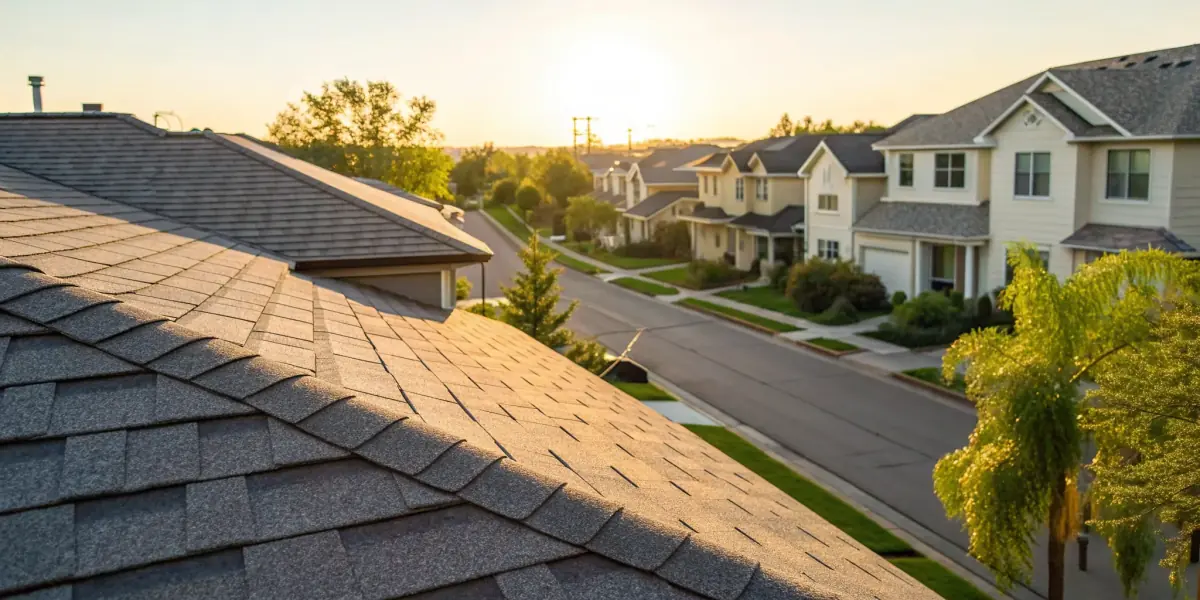
A roof in our area has a much tougher job than one inland. It’s constantly battling intense sun, corrosive salt spray, and the ever-present threat of high winds and storms. A standard roofing job simply won’t last. You need materials and installation techniques specifically designed for our coastal environment. This guide is for homeowners who want a roof that’s built to withstand the elements without breaking the bank. We’ll cover the most durable materials, what to look for in a contractor’s local experience, and how to find affordable roofing Corpus Christi solutions that offer long-term protection and peace of mind.
When you start looking for a new roof, the word “affordable” is probably at the top of your mind. It’s a major home project, and you want to find a solution that fits your budget. But in the world of roofing, “affordable” means more than just the lowest price tag. An affordable roof is one that provides lasting value—it protects your home from the coastal weather, looks great for years, and doesn’t come with a string of surprise repair bills.
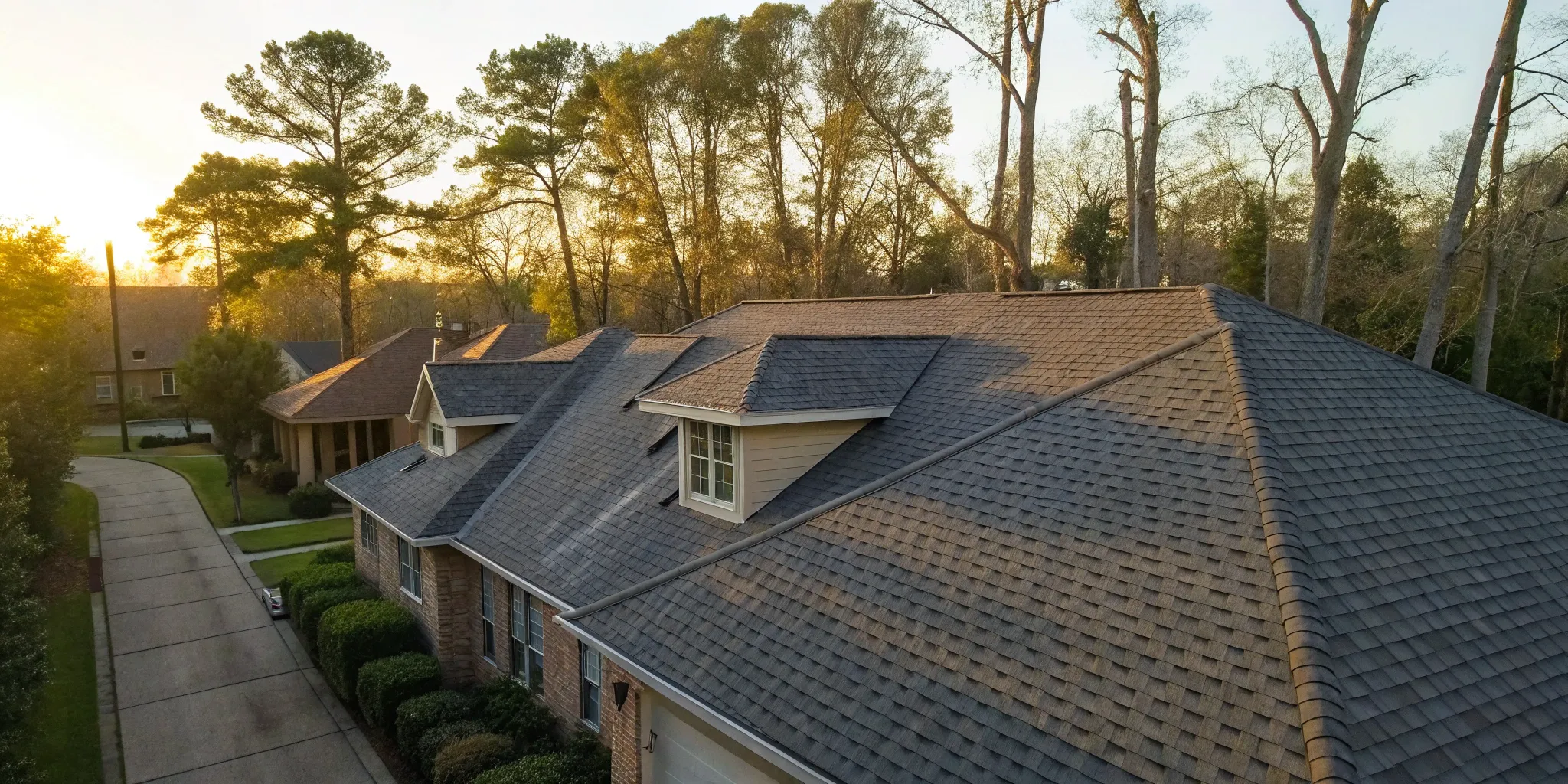
Think of it as an investment in your home’s safety and curb appeal. The real cost of a roof isn’t just the initial price; it’s the total expense over its entire lifespan. A roof that seems cheap upfront can become incredibly expensive if it fails during a storm or needs to be replaced a decade too soon. True affordability is found in the sweet spot where quality materials, expert installation, and a fair price meet. Understanding the factors that go into a roofing estimate can help you make a smart decision for your home. If you’re curious about what a quality roof might cost, our roof cost calculator is a great place to start getting some numbers.
It’s easy to get drawn in by the lowest bid, but it’s so important to understand the difference between a cheap roof and an affordable one. A cheap roof often means corners were cut somewhere—either with subpar materials that won’t stand up to Corpus Christi’s sun and storms, or with inexperienced labor that can lead to installation errors. These issues might not be obvious at first, but they often show up as leaks, missing shingles, and other problems that cost much more to fix in the long run.
An affordable roof, on the other hand, is about getting the best possible value. It means using durable materials installed by a skilled team that stands behind their work. This approach ensures your roof lasts as long as it’s supposed to, saving you money and stress over time.
Several key factors determine the price of a new roof in the Corpus Christi area. The biggest one is your choice of materials. While traditional asphalt shingles are a popular and budget-friendly option, materials like metal and tile offer significantly longer lifespans. They may cost more initially, but their durability in our coastal climate often makes them a smarter long-term investment, potentially lasting decades longer than shingles.
Beyond the material itself, the cost also includes labor, the complexity of your roof’s design, and the removal of your old roof. Our Shingle Assistant can help you explore different styles and materials to find a good fit for your home and budget. Ultimately, a good contractor will walk you through these options to find a solution that balances upfront cost with long-term performance.
A great roofer is more than just a number you call when there’s a leak. They should be a true partner in protecting your home or business, offering a full suite of services to cover everything from a brand-new installation to routine check-ups. When you’re vetting contractors, look for a company that provides comprehensive care. This ensures you have a reliable expert you can turn to for any roofing need, big or small, throughout the life of your roof. A roofer who offers a wide range of services demonstrates a deep understanding of the industry and a long-term commitment to their clients.
A top-tier local roofer should handle complete residential roofing projects from the ground up. This includes installing a roof on a new build or executing a full replacement when your old one has reached the end of its life. For business owners, they should also offer specialized solutions for commercial roofing, which often has different requirements than a home. The best contractors stand behind their work with a solid craftsmanship warranty. This gives you confidence that the job was done right and that your investment is protected against installation errors, providing essential peace of mind.
Here on the coast, we know that severe weather is a matter of when, not if. A great local roofer needs to be ready to respond quickly when a storm hits. This means offering prompt and reliable storm damage repair, whether you have asphalt shingles, metal, or tile. After a major weather event, a trustworthy contractor will provide a free roof inspection to assess the damage and help you understand the next steps. They should be your go-to resource for everything from minor repairs to a full roof replacement, helping you secure your property and navigate the often-confusing insurance claim process.
The best defense is a good offense, and that’s especially true for your roof. A proactive roofer will offer roof maintenance plans designed to catch small issues before they turn into major headaches. Regular inspections are a key part of this, as they help identify potential weak spots, clear debris, and ensure your roof is performing as it should. Following a maintenance schedule not only extends the life of your roof but is often required to keep your manufacturer’s warranty valid. This ongoing service is a sign of a contractor who is invested in the long-term health of your roof, not just a one-time job.
Living on the coast means your roof has a tough job. It faces intense sun, salty air, and the constant threat of high winds and storms. When we talk about the “best value” for a roof in Corpus Christi, we’re not just looking at the price tag. We’re looking for the sweet spot where cost, durability, and long-term protection meet. A roof that can stand up to our unique climate without needing constant repairs is a smart investment in your home’s safety and your peace of mind. It’s about finding a material that won’t just survive the next storm, but will hold strong for years, protecting your family and your investment.
Choosing the right material is the first step. While one homeowner might prioritize a budget-friendly option that looks great, another might focus on maximum storm resistance for the decades ahead. The good news is that there are excellent choices for every priority. From the classic appeal of asphalt shingles to the industrial strength of metal, the right fit depends on your goals. Let’s walk through the most popular and practical residential roofing materials for our area, so you can decide which one makes the most sense for your home and your budget. We’ll cover the pros and cons of each to help you make a confident decision.
Asphalt shingles are the most common roofing material in the country, and for good reason. They offer a fantastic combination of affordability and versatility, making them a great starting point for many homeowners. If you’re working with a tight budget, shingles provide a reliable and attractive solution without a massive upfront cost. They are available in a wide range of styles and colors, so you can easily find a look that complements your home. While they are a solid choice, it’s important to know that the coastal sun and salt can shorten their lifespan compared to more durable materials, so regular inspections are key.
If you’re looking for a roof that’s built to last, metal is an outstanding choice. While the initial cost is higher than asphalt shingles, a metal roof is a long-term investment that often pays for itself over time. Known for its incredible durability, metal roofing offers superior resistance to wind and storm damage—a critical feature for any home on the coast. It won’t crack, warp, or rot, and it requires very little maintenance. Over its 50+ year lifespan, a metal roof provides unwavering protection, making it one of the best value propositions for homeowners who plan to stay in their homes for years to come.
For the ultimate in durability and coastal performance, stone-coated steel and tile roofs are in a class of their own. These premium materials are engineered to withstand the harshest weather conditions with ease. Tile roofing, whether clay or concrete, offers a timeless, classic look and is naturally resistant to salt air and high winds. Stone-coated steel provides the industrial-strength protection of metal but with the aesthetic appeal of traditional shingles, shake, or tile. You can see how beautiful these roofs are by looking at some recent projects. While they represent a significant upfront investment, their longevity and resilience make them a smart choice for protecting your coastal home for a lifetime.
Getting a few different quotes for your roofing project is a smart move. But the real challenge isn’t just collecting estimates—it’s knowing how to compare them fairly. A low-ball offer might seem tempting, but it could hide subpar materials or inexperienced labor. To make a confident decision, you need to break down each quote and understand what you’re actually paying for.
A detailed quote should clearly outline the scope of work, the materials being used, labor costs, and warranty information. When you have multiple itemized quotes in hand, you can compare them line by line. This helps you spot where costs differ and ask the right questions. Is one contractor using higher-quality underlayment? Does another include the cost of hauling away old materials? These details matter and are often what separates a good deal from a future headache.
The biggest variable on your quote will likely be the material you choose. Different materials come with different price points, lifespans, and maintenance needs. Asphalt shingles are a popular and cost-effective choice, typically running between $4 and $15 per square foot. They offer a great balance of affordability and reliability for many homeowners.
On the other hand, materials like metal and tile have a higher upfront cost but are a fantastic long-term investment. Their durability and longevity, especially in our coastal climate, can save you money over the years. When comparing quotes, make sure you’re looking at the same quality and type of material. Our Shingle Assistant can help you explore different styles and see what might work best for your home’s aesthetic.
Materials are just one piece of the puzzle. Labor costs can vary significantly from one contractor to another, depending on their experience, efficiency, and the complexity of your roof. For example, local data shows that even a straightforward flat roof repair can range from a few hundred to over a thousand dollars. This is why a detailed breakdown of labor on your quote is so important.
External factors can also play a role in local pricing. Things like new U.S. tariffs can drive up material costs, which will be reflected in your estimate. A good contractor will be transparent about these market conditions. To get a general idea of what your project might cost before you even start calling for quotes, you can use a roof cost calculator to get a preliminary estimate based on your home’s size and preferred material.
An estimate is only as reliable as the company that provides it. To ensure you’re getting an accurate and trustworthy quote, you need to do a little homework on the contractors you’re considering. One of the most common mistakes homeowners make is forgetting to verify a contractor’s credentials. A legitimate roofer will have no problem providing proof of insurance.
Asking for this information is a simple but crucial step. It confirms you’re dealing with a professional who is accountable. A credible contractor will also conduct a thorough inspection before giving you a quote, rather than just a quick glance from the ground. This ensures their estimate is based on the actual condition of your residential roofing system and that there are no surprises down the line.
Finding the right roofing contractor is about more than just getting a good price—it’s about finding a true partner to protect your home or business. A great roofer brings a combination of technical skill, deep knowledge of the local climate, and solid, trustworthy business practices. When you’re vetting potential companies, you’re not just hiring someone to nail down shingles; you’re entrusting them with the safety and integrity of your property. The best contractors are transparent, experienced, and stand firmly behind their work.
Making the right choice means looking beyond the initial quote. You’ll want to dig into their credentials, confirm they have experience with coastal weather, and understand the warranties they offer. These steps ensure you’re working with a professional who can deliver a high-quality roof that’s built to last, especially in a demanding environment like Corpus Christi. Taking the time to check these key areas will give you peace of mind and save you from costly headaches down the road.
Before you sign any contract, make sure the roofing company is properly insured. This isn’t just red tape—it’s your primary protection. In Texas, roofing contractors aren’t required to have a state license, but proper insurance protects you from liability. If a worker is injured on your property, the contractor’s worker’s compensation policy should cover it, not your homeowner’s insurance.
Ask for proof of both general liability insurance and worker’s compensation. A reputable contractor will have no problem providing you with their documentation. This simple step ensures you’re working with a legitimate residential roofing professional who operates responsibly and protects their clients as well as their crew.
Roofing in Corpus Christi is a different ballgame. The constant exposure to salt spray, high humidity, and the ever-present threat of hurricanes means a standard roofing job just won’t cut it. You need a contractor who understands the unique challenges of our coastal climate. They’ll know which materials, like metal or stone-coated steel, offer the best resistance to wind and corrosion. They’ll also use specific installation techniques, like reinforced fasteners and superior underlayment, to keep your roof secure during a storm.
Don’t be afraid to ask for proof of their local experience. A contractor with a strong coastal portfolio can show you their recent projects in the area and explain how they build roofs designed to withstand the elements.
A warranty is a contractor’s promise that they stand behind their work. Failing to ask about warranties can leave you on the hook for unexpected repair costs later on. A trustworthy roofer will offer clear, written guarantees covering both materials and workmanship. The material warranty typically comes from the manufacturer and covers defects in the products themselves. The workmanship warranty comes from the contractor and covers any errors made during installation.
Make sure you understand the terms of both. How long does the coverage last? What does it include? What actions could potentially void the warranty? Getting these details in writing before the project begins ensures you know exactly what to expect and gives you confidence in the long-term quality of your new roof.
Think of hiring a roofer like conducting a job interview—because that’s exactly what it is. You’re trusting someone with one of your biggest assets, so it’s perfectly reasonable to come prepared with a list of questions. A trustworthy contractor will be happy to answer them and provide all the documentation you need to feel confident in your decision. Vague answers or a reluctance to provide details are major red flags.
Before you sign any contracts, make sure you sit down with potential contractors and get clear, direct answers to these essential questions. This simple step can save you from headaches, unexpected costs, and a poorly installed roof. Getting everything in writing is just as important, so you have a clear record of what was agreed upon.
First things first, you need to confirm you’re dealing with a legitimate, professional company. Don’t be shy about asking for proof of licensing and insurance. This protects you from liability if an accident happens on your property. Any reputable contractor will have this information readily available. Next, ask for references from past clients or a portfolio of their work. Seeing their recent projects gives you a real-world look at their craftsmanship and the types of jobs they handle. A contractor who is proud of their work will be eager to share it.
A good quote is more than just a final price; it’s a detailed plan. Ask for a breakdown of the costs, including materials and labor. You should also discuss the specific materials they recommend for your home and why. For instance, are they suggesting a certain shingle because it holds up better to coastal weather? You can even use a shingle assistant to get familiar with your options beforehand. Finally, get a clear project timeline. Ask when they can start, how long the job will take, and what their plan is for cleanup. This ensures everyone is on the same page from day one.
A new roof is a significant investment, and a solid warranty is your safety net. It’s important to understand that there are typically two types of warranties: one from the material manufacturer and one from the contractor covering the workmanship. Ask your potential roofer to explain both. What do they cover, and for how long? Get these details in writing. Also, ask if they offer any ongoing maintenance plans for their residential roofing services. Knowing what’s covered and what to expect down the line will give you peace of mind long after the crew has packed up.
Once you have a few quotes in hand, it’s time to do a little homework. A contractor’s reputation is one of the most reliable indicators of the quality and service you can expect. Beyond just looking at star ratings, learning how to read between the lines of customer reviews and verify a company’s history will help you make a confident decision. This step protects your investment and ensures you partner with a professional who stands by their work. Think of it as your final quality check before signing on the dotted line.
When you start reading reviews, look for details, not just generic praise. Vague comments like “great job” are less helpful than reviews that mention specific aspects like communication, punctuality, and site cleanup. A major red flag is a lack of reviews or reviews that all sound suspiciously similar. Also, pay attention to how the company responds to negative feedback. A professional contractor will address criticism constructively, while a defensive or absent response can be telling. The best reviews often describe the entire process, from the initial inspection to the final walkthrough, giving you a clear picture of what it’s like to work with them. You can often see examples of a roofer’s finished work in their gallery of recent projects.
Your research shouldn’t stop at online reviews. A reputable contractor will be transparent about their history and credentials. Ask for proof of insurance right away—any hesitation is a serious warning sign. Don’t be shy about asking for a list of local references you can contact. Speaking directly with past customers gives you unfiltered insight you won’t find online. You can also check their standing with the Better Business Bureau (BBB). A contractor with a long history of serving local communities like Corpus Christi is often a safer bet than a company that just appeared after a major storm.
Understanding local building codes is crucial, but you shouldn’t have to be the expert—a great contractor will be. In Texas, roofing contractors aren’t required to have a state license, but many top professionals get a voluntary license from the Roofing Contractors Association of Texas (RCAT) to show their commitment to quality. Ask potential contractors if they are familiar with Corpus Christi’s specific codes, especially those related to wind resistance. Hiring a roofer who understands and follows these regulations helps your residential roofing project pass inspection, be eligible for insurance coverage, and keep your home safe for years to come.
Your roof is your home’s first line of defense, but it’s easy to forget about it until a problem becomes obvious. Catching issues early can save you from more extensive and costly damage down the road. Knowing what to look for—both inside and outside your home—is the first step. A quick visual check every few months, especially after a major storm, can help you spot trouble before it gets out of hand. If you notice any of these signs, it’s a good idea to schedule a professional inspection.
You don’t need to climb a ladder to spot some of the most common signs of roof damage. Start by walking around your property and looking up. Are there any missing, cracked, or curling shingles? Pay attention to granules from your asphalt shingles collecting in your gutters, as this indicates they’re nearing the end of their life. Also, look for any signs of moss, algae, or mold, which can trap moisture and cause decay. A sagging roofline is a more serious red flag that points to potential structural issues. If you see any of these problems, it’s time to consider your options for residential roofing services.
Sometimes, the first clue that your roof is failing comes from inside your home. Water stains or discoloration on your ceilings or walls are classic signs of a leak. Don’t ignore them, even if they seem small. You might also notice paint blistering or peeling in areas near the ceiling, which is another indicator of trapped moisture. If you have an attic, safely check it for any signs of daylight coming through the roof boards or visible moisture and leaks. These interior warnings often mean the damage has been present for a while, so prompt storm damage repair might be necessary to protect your home’s structure.
A new roof is a major home investment, and the price tag can feel intimidating. But don’t let the initial cost prevent you from protecting your home. Most homeowners don’t pay for a new roof in one lump sum. There are several practical ways to manage the expense, making a safe, high-quality roof accessible without draining your savings. By exploring your options, you can find a solution that fits your budget and gives you peace of mind.
Let’s be real—most of us don’t have a “new roof fund” sitting in the bank. That’s why many established roofing contractors offer financing options to help homeowners manage the cost. These payment plans break down the total price into predictable monthly installments, making the project much more approachable. Financing allows you to get the quality roof you need now, rather than waiting for a small issue to become a catastrophic failure. Investing in a durable, professionally installed roof with a great warranty is one of the smartest moves you can make for your home’s long-term health and value. Ask any potential contractor about the financing partners they work with to find a plan that works for you.
If your roof was damaged by a storm, wind, or hail, your homeowner’s insurance policy will likely cover a large part of the replacement cost. The claims process, however, can be a headache. Working with a roofing contractor who has experience with insurance claims is a game-changer. They can provide detailed documentation of the damage and a written estimate that accurately represents the scope of work. Clear documentation makes it easier to compare the adjuster’s estimate with the real cost of a quality repair. Using an insurance claim estimator can also give you a clearer picture of what to expect before you even file.
Choosing the right roofing contractor is just as important as selecting the right materials for your home. A great partnership leads to a smooth project and a roof that lasts for decades, while the wrong one can lead to headaches and costly repairs down the line. It’s a big decision, but you can feel confident in your choice by watching out for a few common missteps. Taking a little extra time to vet your options will ensure you work with a professional who values quality and transparency. When you find a team that communicates clearly and has a strong local reputation, you know you’re in good hands.
Making an informed choice starts with knowing what to look for. From understanding what a fair price really means to ensuring every detail is documented, these steps will help you protect your investment. Think of it as a simple checklist to follow before you sign on the dotted line. By avoiding these common mistakes, you can find a reliable partner for your residential roofing project and enjoy the peace of mind that comes with a job done right.
It’s tempting to jump at the lowest bid, but when it comes to your roof, the cheapest option is rarely the best. An unusually low price can be a red flag for several reasons: the contractor might be using subpar materials, cutting corners on installation, or lacking proper insurance and licensing. While affordability is important, true value comes from a balance of fair pricing, high-quality materials, and expert workmanship. Instead of focusing only on the initial cost, consider the long-term investment. A well-installed roof from a reputable company will protect your home for years, saving you money on future repairs. You can get a better sense of a realistic budget by using a roof cost calculator to understand the factors involved.
A verbal agreement isn’t enough when it comes to a major home improvement project. One of the biggest mistakes you can make is failing to get a detailed, written contract before any work begins. This document protects both you and the contractor by clearly outlining expectations. Your contract should specify the full scope of work, the exact materials to be used (including brand and color), a projected timeline for start and completion, a clear payment schedule, and details on warranties for both labor and materials. Don’t be afraid to ask for clarification on any point you don’t understand. A professional contractor will be happy to provide a comprehensive agreement that leaves no room for surprises.
Beyond the written contract, ongoing communication is the key to a successful roofing project. From the very beginning, you should feel comfortable asking questions and confident that you have a reliable point of contact. A professional contractor will establish clear communication channels and keep you informed about the project’s progress, especially if unexpected issues arise. Your contract lays the groundwork by defining the scope, timeline, and costs, but open dialogue ensures the project stays on track. This is especially critical when dealing with complex situations, like navigating an insurance claim. A team that prioritizes clear communication will help you understand every step of the process, making the entire experience feel straightforward and stress-free.
How long should a new roof really last here on the coast? The lifespan of your roof in Corpus Christi depends almost entirely on the material you choose and the quality of the installation. A standard asphalt shingle roof might last around 15 to 20 years, as the intense sun and salty air can be tough on it. However, if you invest in a metal or tile roof, you could easily get 50 years or more of protection. Regular maintenance is also a key factor, as catching small issues early can significantly extend any roof’s life.
Is it better to repair my roof or just replace the whole thing? This decision comes down to three things: the age of your roof, the extent of the damage, and your long-term plans. If your roof is relatively new and has isolated damage, like a few missing shingles from a storm, a professional repair is often the most sensible solution. But if your roof is nearing the end of its expected lifespan and shows widespread issues like curling shingles or granule loss, a full replacement is usually the smarter financial move. It prevents you from spending money on temporary fixes for a roof that is bound to fail soon anyway.
Will my homeowner’s insurance automatically pay for a new roof after a storm? Not necessarily. Homeowner’s insurance is designed to cover damage from a specific event, like a hurricane or a major hailstorm, not general wear and tear from old age. An adjuster will assess the damage to determine if it warrants a full replacement or just a repair. The amount they cover also depends on your specific policy. Working with an experienced roofer who can properly document the storm damage is the best way to make sure no storm damage gets missed.
What happens if you find more damage after you start the work? This is a common concern, and a professional contractor will have a clear process for it. If we remove your old shingles and find unexpected issues like soft or rotted wood decking underneath, we stop work immediately. We’ll show you exactly what we found, explain the necessary repairs, and provide a clear change order detailing the additional costs. We will never proceed with extra work until you fully understand the situation and approve the changes.
Why is there such a big price difference between roofing quotes? A significant price gap between quotes usually points to differences in materials, labor, or the scope of work. A lower bid might be using thinner, lower-quality shingles, less experienced labor, or skipping crucial steps like replacing old flashing. A more comprehensive quote will account for top-grade materials, a skilled and insured crew, proper site cleanup, and a solid workmanship warranty. When comparing, make sure you’re looking at itemized estimates to see that you’re truly comparing apples to apples.
At RISE Roofing, we specialize in affordable roofing corpus christi solutions backed by certified installers and 10-year workmanship warranties.
The certified RISE Roofing installation crew brings more than two decades of experience to every project. Contact us for a free estimate today.
Bottom line: affordable roofing Corpus Christi homeowners deserve does not mean cheap materials or shortcuts. Quality affordable roofing in Corpus Christi is about smart material selection and certified installation.
Quality affordable roofing in Corpus Christi does not mean cutting corners. RISE Roofing delivers affordable roofing Corpus Christi homeowners trust with certified materials and a 10-year workmanship warranty.
Finding affordable roofing in Corpus Christi means comparing certified contractors, not just prices. RISE Roofing delivers affordable roofing Corpus Christi homeowners trust with premium materials at competitive rates. Our affordable roofing Corpus Christi options include manufacturer-backed warranties and flexible financing through our lending partner, Acorn Finance.
Explore our professional roofing services in Corpus Christi and surrounding areas:
Industry resources from the National Roofing Contractors Association (NRCA).
🔒 Free, no-obligation quote — Price-locked estimate in 24–48 hrs
Trace your roof on satellite imagery and get a real installed price in under 60 seconds.
Powered by satellite roof measurement technology. No obligation.