Coastal roofing materials, such as metal roofing, clay tiles, and synthetic slate, are known for their exceptional durability and longevity. These materials are designed to withstand high winds, saltwater corrosion, and UV exposure, making them ideal for coastal environments where weather extremes are common. For example, metal roofing can endure winds exceeding 140 miles per hour, ensuring your home remains protected during severe storms.
Coastal roofing materials are engineered to resist the damaging effects of coastal weather conditions, including hurricanes, tropical storms, heavy rainfall, and salty sea spray. They provide a reliable barrier against water infiltration, wind uplift, and flying debris, helping to protect your home and belongings from costly damage. For instance, the use of reinforced flashing and high-quality underlayment can prevent leaks and enhance the roof’s overall integrity.
The salty sea air and high humidity levels in coastal areas can accelerate the corrosion of traditional roofing materials. Coastal roofing materials are specially designed to resist saltwater corrosion, ensuring long-term performance and minimizing maintenance requirements. Products like stainless steel or aluminum roofing are particularly effective in these environments, offering a longer lifespan than standard materials.
In addition to their practical benefits, coastal roofing materials also offer aesthetic appeal, enhancing the beauty and charm of your coastal home. Whether you prefer the sleek look of metal roofing, the timeless elegance of clay tiles, or the natural beauty of synthetic slate, there are coastal roofing options to suit every architectural style and design preference. Furthermore, custom color options are available to match your home’s exterior, creating a cohesive and attractive look.
Many coastal roofing materials, such as metal roofing with reflective coatings or clay tiles with thermal mass properties, offer energy-efficient benefits. They help regulate indoor temperatures, reduce cooling costs in the hot summer months, and create a more comfortable living environment year-round. This not only contributes to energy savings but also minimizes the strain on HVAC systems, extending their lifespan.
Some coastal roofing materials, such as metal roofing and synthetic slate made from recycled materials, are environmentally sustainable choices that minimize the impact on the planet. By choosing eco-friendly coastal roofing materials, you can reduce your carbon footprint and contribute to a more sustainable future. Additionally, many of these materials are fully recyclable at the end of their life cycle, further promoting environmental responsibility.
At RISE Roofing, we specialize in providing high-quality coastal roofing materials and expert installation services to protect and enhance coastal homes. Whether you’re building a new coastal retreat or renovating an existing property, we’re here to help you choose the perfect roofing solution for your coastal lifestyle. Contact us today to learn more about the benefits of coastal roofing materials and schedule a consultation with our team of roofing experts. We are committed to ensuring your home embodies both beauty and resilience against the elements.
When selecting roofing materials, it’s crucial to work with a roofing contractor who understands the specific needs of coastal homes. Look for professionals with experience in coastal installations, as they will be familiar with local building codes and the best practices for ensuring your roof can withstand the unique challenges of the Texas coast. Additionally, ask for references and check reviews to assess the quality of their work.
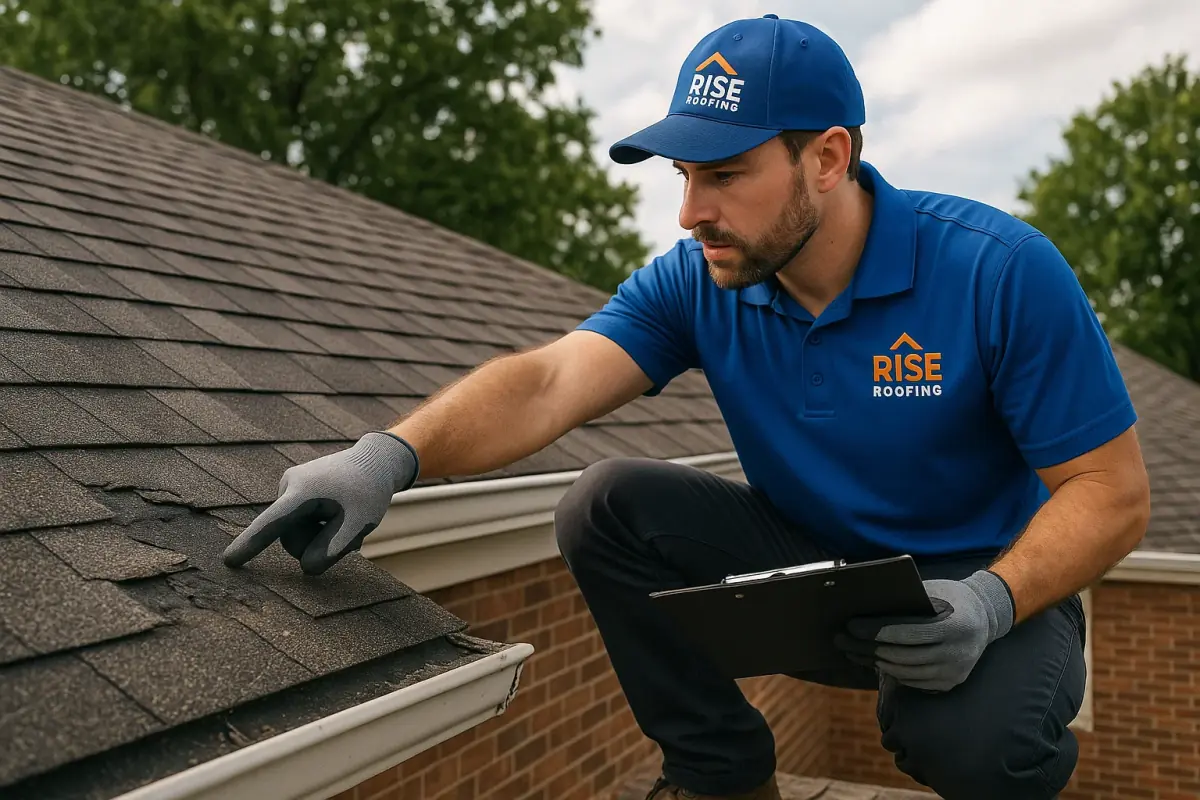
Regular maintenance is essential to prolong the lifespan of your coastal roofing materials. Schedule annual inspections to identify any wear and tear, and promptly address issues like loose shingles, rust, or debris accumulation. Keep gutters clean and ensure that water drains away from the roof to prevent pooling, which can lead to leaks and structural damage.
While investing in high-quality coastal roofing materials may have a higher upfront cost, the long-term benefits far outweigh the initial expense. Consider the savings on repairs and energy bills over time, as well as the increased value and curb appeal of your home. When budgeting for a new roof, also factor in the cost of installation, which can vary significantly based on the materials chosen and the complexity of the roofing system.
As homeowners become more environmentally conscious, there’s a growing trend toward sustainable roofing materials. Many new products on the market are designed not only to withstand coastal conditions but also to be eco-friendly. For instance, green roofs, which incorporate vegetation, can help insulate homes and improve air quality while providing an attractive aesthetic.
For homeowners and property managers across North Padre Island, Flour Bluff, Portland, and Rockport, local conditions — including coastal salt air, hurricanes, and intense UV — make informed roofing decisions essential. RISE Roofing provides expert guidance backed by manufacturer certifications and years of experience serving the Coastal Bend.
TWIA (Texas Windstorm Insurance Association) eligibility rules for Coastal Bend properties add a layer of complexity to insurance decisions. In the catastrophe area designated by TDI, most roof replacements and major roof repairs require an inspection and a WPI-8 certificate of compliance, which TDI issues. Contact us at (361) 208-0885 for a free assessment tailored to your property's specific needs.
Corpus Christi's position on the Gulf Coast means every roofing decision must account for salt air corrosion, hurricane-force wind loads, and intense UV exposure that accelerates material aging. RISE Roofing has served the Coastal Bend since day one — earning manufacturer certifications that demonstrate our expertise in TDI-compliant installations that protect both your property and your TWIA insurance coverage. From Flour Bluff to Port Aransas, our team delivers roofing solutions engineered specifically for coastal Texas conditions.
RISE Roofing provides comprehensive roofing services across the Corpus Christi metro — from emergency storm repairs to planned replacements with manufacturer-backed warranties. Our team holds certifications from Owens Corning, DECRA, and Tilcor — ensuring every installation meets the manufacturer's specifications for Corpus Christi's demanding conditions of salt air corrosion, hurricane winds, and coastal UV.
Every project begins with a free, comprehensive assessment that evaluates your property's current condition, identifies any immediate concerns, and provides a detailed proposal with transparent pricing. We serve North Padre Island, Flour Bluff, Portland, Rockport, Port Aransas and the entire Corpus Christi metro. Call (361) 208-0885 to schedule your assessment.
Roofing costs in Corpus Christi reflect a combination of material pricing, labor market conditions, and climate-specific specifications that together determine what homeowners actually pay. Current Corpus Christi-area pricing ranges from $4.50-$7.00/sqft for shingles, $12-$16/sqft for metal installed — though final project costs depend on roof size, pitch complexity, material selection, and the scope of any necessary deck repairs discovered during tear-off.
The factors that most significantly affect pricing in the Corpus Christi market are roof accessibility (steep pitches and multi-story homes cost 15-25% more than single-story ranch-style roofs), material grade (impact-resistant shingles cost 15-25% more than standard products but can qualify for an insurance discount, which each insurer sets), and tear-off scope (a single-layer tear-off is straightforward, while removing multiple existing layers adds $0.50-$1.00/sqft in labor and disposal costs).
The most reliable way to get an accurate roof cost estimate for your Corpus Christi property is through an in-person assessment that measures your specific roof dimensions, evaluates the existing condition, and identifies any hidden issues that would affect scope. RISE Roofing provides free assessments across North Padre Island, Flour Bluff, Portland, Rockport, and Port Aransas using satellite measurements, drone photography, and hands-on inspection. Every assessment produces a detailed, line-item proposal with transparent pricing — no hidden fees, no surprises after signing, and a price that's locked once you sign.
Be cautious of significantly below-market quotes from unfamiliar contractors — the most common shortcuts that produce cheap estimates are thinner material specifications, skipped underlayment upgrades, reduced nail patterns, and omitted ventilation improvements. These savings cost far more in premature failure and voided warranties than the upfront difference. RISE Roofing's proposals include installations built to the Texas windstorm code for WPI-8 certification, with corrosion-resistant specifications for the Coastal Bend — contact us at (361) 208-0885 for your free estimate.
Protecting your coastal home with the right roofing materials is essential for ensuring its longevity and maintaining its value. By understanding the unique challenges posed by the coastal environment and selecting materials that offer durability, weather resistance, and aesthetic appeal, you can enjoy peace of mind knowing your home is well-protected. Reach out to RISE Roofing for expert advice and quality materials tailored to your coastal living needs.
Industry resources from the National Roofing Contractors Association (NRCA).
🔒 Free, no-obligation quote — Price-locked estimate in 24–48 hrs
Trace your roof on satellite imagery and get a real installed price in under 60 seconds.
Powered by satellite roof measurement technology. No obligation.