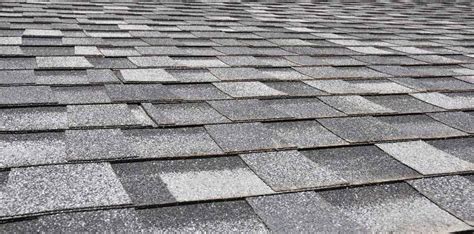
The short answer: a roof lasts 15-75+ years depending on the material, installation quality, climate, and maintenance. That’s a wide range because roofing materials vary dramatically in durability — and where you live matters almost as much as what’s on your roof. In the Corpus Christi coastal climate, expect 10-20% shorter lifespans than national averages due to salt air, UV intensity, and hurricane exposure.
Here’s the realistic breakdown by material, based on what we actually see on roofs across the Coastal Bend — not what’s printed on the manufacturer warranty.
Asphalt shingles are on 80%+ of Texas homes. 3-tab shingles last 15-20 years in real-world conditions (12-18 years on the Gulf Coast). Architectural (dimensional) shingles last 20-30 years, with premium lines like GAF Timberline HDZ and Owens Corning Duration at the upper end.
The manufacturer may print “30-year” or “50-year” on the package, but those numbers assume perfect installation, adequate ventilation, and a moderate climate. Corpus Christi is none of those things for a shingle.
Deep dive: How long do architectural shingles last? The complete guide
Standing seam metal roofing is the longest-lasting common residential material. The concealed fastener system eliminates the #1 leak source (exposed screws), and metal inherently resists rot, insects, and fire. With Kynar 500 (PVDF) paint finishes, the cosmetic life matches the structural life — 40+ years before significant fade or chalking.
In the Coastal Bend, standing seam also delivers the best wind performance (140+ mph ratings) and earns the highest TWIA premium discounts.
Deep dive: How long does a metal roof last?
Stone-coated steel (brands like DECRA) gives you the look of tile or shingles with metal’s durability. The steel substrate resists impact and wind, while the stone granule coating provides UV and weather protection. Expected lifespan is 40-50 years with minimal maintenance.
Deep dive: Metal roofing that looks like shingles
Tile roofs are the longest-lasting option available. Clay tiles in Mediterranean and Spanish Colonial styles can last 75-100+ years — many historic buildings have original tile roofs still performing after a century. Concrete tiles are slightly shorter-lived at 50-75 years. The trade-off is weight (tile is 2-4x heavier than shingles, requiring structural verification) and cost ($10-18/sqft installed).
Single-ply membranes like TPO, PVC, and EPDM are the standard for commercial flat and low-slope roofs. Expected life is 20-30 years with proper maintenance. Roof coatings (silicone or acrylic) can extend an aging membrane’s life by 10-15 years at a fraction of replacement cost.
National lifespan averages don’t account for the Texas Gulf Coast environment. Here’s what actually shortens roof life in Corpus Christi and surrounding areas:
Salt air corrosion attacks metal flashings, degrades shingle adhesives, and accelerates granule loss. Homes within 5 miles of the Gulf see measurably faster roof aging.
UV radiation in South Texas is 20-30% more intense than northern states. UV breaks down asphalt binders, causes thermal cracking, and accelerates color fading on all materials.
Wind and storm events cause cumulative damage even when individual storms don’t produce visible problems. Repeated uplift stress loosens fasteners and fatigues sealant strips over time.
Thermal cycling — your roof surface swings from 40°F to 170°F through the year. That constant expansion and contraction fatigues every material faster than moderate climates.
Poor ventilation traps heat and moisture in the attic, cooking your roof from below. This is the #1 preventable cause of premature roof failure in Texas.
The good news: you have significant control over how long your roof lasts.
Use our Roof Depreciation Calculator to see where your roof stands on the aging curve. General guidance: under 60% depreciated, maintain and monitor. Over 60%, start planning replacement. Over 70%, replace before the next storm season — at that age, an insurance claim payout (especially on ACV policies) may not cover meaningful repairs.
If you’re not sure where your roof stands, RISE Roofing provides free inspections with honest condition assessments. We’ll tell you how much life your roof has left — and whether repair or replacement makes more financial sense. No pressure, no obligation.
🔒 Free, no-obligation quote — Price-locked estimate in 24 hrs