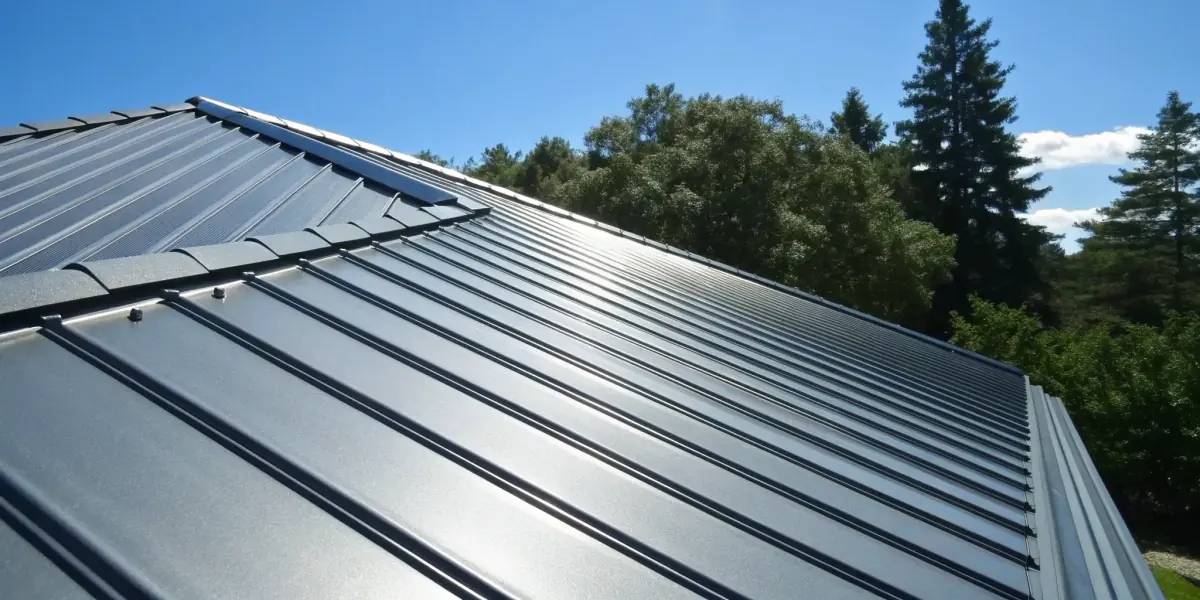
Here on the Texas coast, our roofs take a beating. Between the intense sun, heavy downpours, and salty air in places like Corpus Christi, standard roofing materials can wear out fast. That’s why so many homeowners are turning to metal. It’s built to withstand our unique weather challenges. But even the toughest materials have their limits, which brings up a key concern for any local homeowner: how long does a metal roof last in this specific environment? The answer depends on choosing the right material and ensuring it’s installed perfectly. This article explains the lifespan you can expect and how to maximize it.
A metal roof lasts 40-70 years depending on the material: aluminum 40-60 years, steel (Galvalume) 40-60 years, standing seam 50-70 years, copper 70-100+ years. In coastal Texas, proper fastener and coating selection is critical for reaching maximum lifespan.
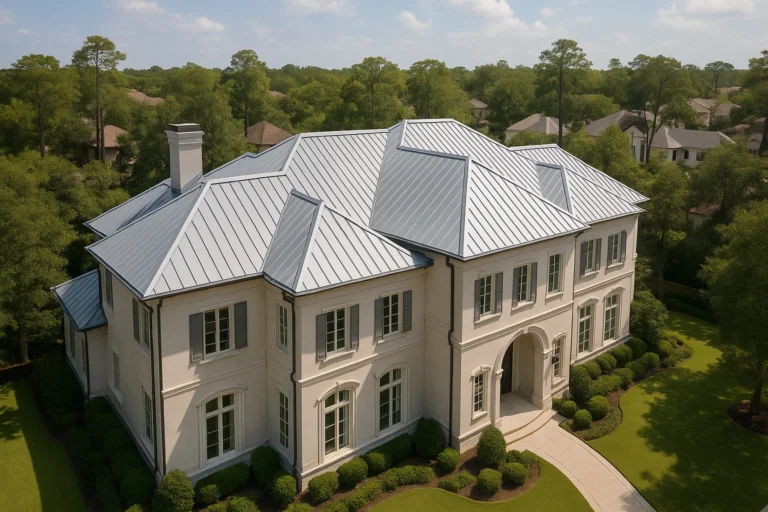
When you invest in a new roof, you’re not just buying shingles and panels; you’re buying peace of mind for decades to come. One of the biggest draws of a metal roof is its incredible longevity. Unlike traditional asphalt shingles that might need replacing every 15 to 20 years, a well-installed metal roof can easily last 50 years or more. But “metal” is a broad category, and the exact lifespan depends heavily on the specific material you choose, the type of panel system, and the quality of the installation.
The type of metal is the single biggest factor. Materials like steel and aluminum offer fantastic durability for their cost, while premium options like copper and zinc can literally last a lifetime. The way the panels are joined together also plays a huge role. A standing seam metal roof, for example, is designed to hide and protect its fasteners from the elements, giving it a significant edge in longevity over systems with exposed screws. Let’s break down what you can expect from the most common types of metal roofing.
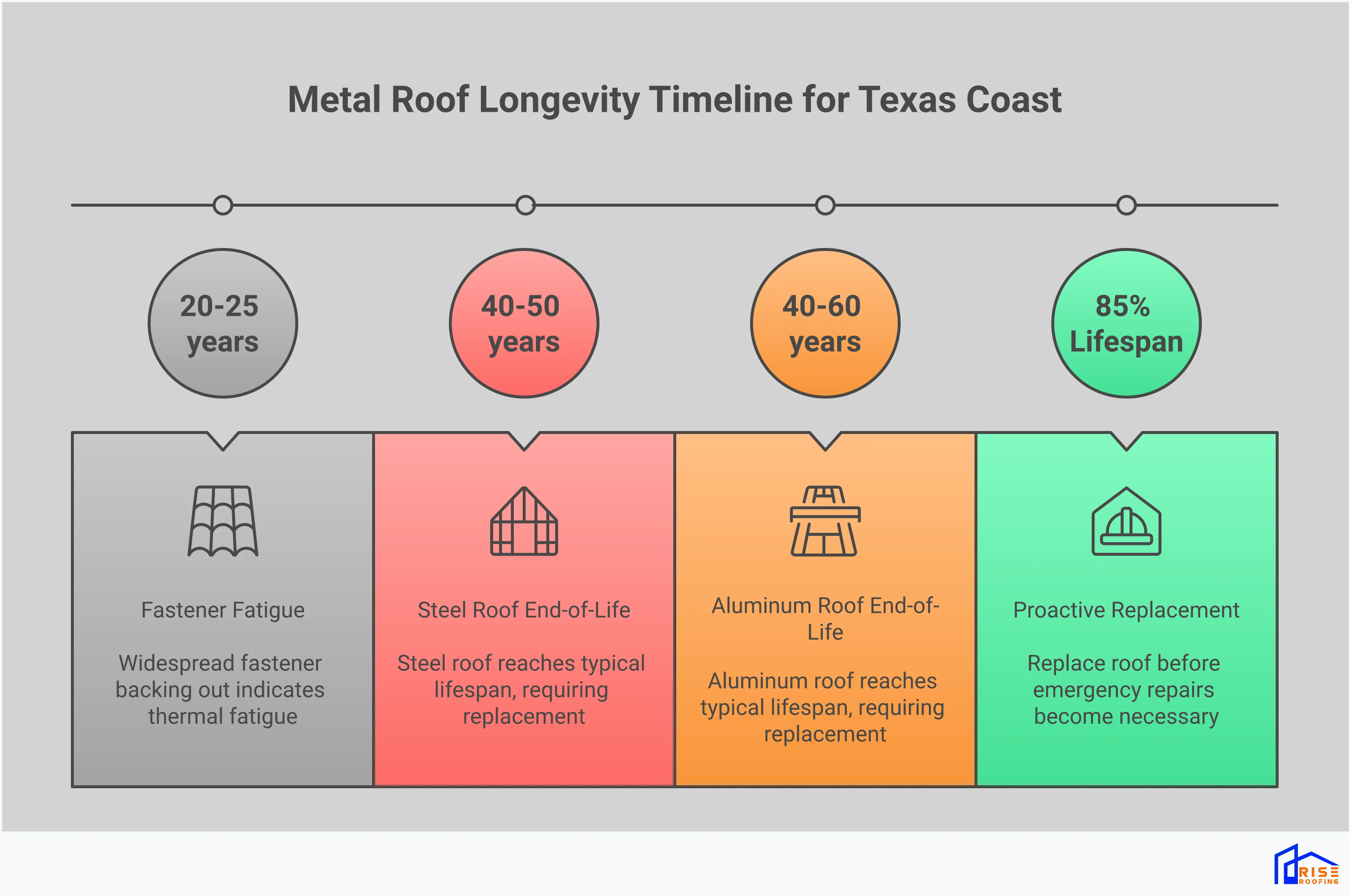
Steel is a popular and versatile choice for both residential and commercial roofing, and for good reason. It strikes a great balance between durability, style, and cost. A typical steel roof, like a stone-coated steel or galvanized steel system, will last between 40 and 50 years. The key to its long life is the protective coating. These coatings prevent rust and corrosion, which is the primary threat to any steel product. With proper installation and routine maintenance, a steel roof can easily handle the intense sun and heavy rains we see in Texas, providing reliable protection for your home for nearly half a century.
If you live near the coast, like in Corpus Christi, an aluminum roof is an excellent option to consider. Aluminum is naturally resistant to rust and corrosion from salt spray, making it a perfect fit for coastal environments. You can expect an aluminum roof to last between 40 and 60 years, often outliving its steel counterparts in salty air. It’s also incredibly lightweight, which can reduce the structural load on your home. While it may come at a slightly higher price point than steel, its superior corrosion resistance provides long-term value and durability, especially in areas where other metals might struggle.
When you’re looking for a roof that will last a lifetime—or even longer—copper and zinc are the premium choices. These are often considered “legacy” materials because their lifespan is simply unmatched. A copper roof can last 80 to 100 years or more, developing a beautiful blue-green patina over time that adds to its character. Similarly, zinc roofs can last anywhere from 60 to over 100 years. Both are significant upfront investments, but they can pay for themselves over time and may be the last roof you’ll ever need to install. They are a testament to timeless quality and are often seen on historic buildings and high-end custom homes.
The way your metal panels are fastened together is just as important as the metal itself. Standing seam systems are the gold standard for longevity, typically lasting 40 to 70 years. Their design features interlocking panels with concealed fasteners, which protects the screws from weathering and allows the metal to expand and contract with temperature changes. This prevents stress and damage over time. In contrast, screw-down (or exposed fastener) systems have a shorter lifespan of 20 to 30 years. The screws penetrate the face of the panel, and the rubber washers around them can degrade over time, creating potential points for leaks. While more budget-friendly initially, they require more maintenance to ensure they reach their full lifespan.
A metal roof is a fantastic long-term investment, but its actual lifespan isn’t set in stone. While manufacturers often give a range of 40 to 70 years, some materials like copper and zinc can last well over a century. So, what accounts for this wide variation? Several key factors play a role in determining whether your roof reaches its full potential. Think of it like a recipe—the final result depends on the quality of the ingredients and how well they’re put together.
From the intense Texas sun and coastal air to the specific design of your roof, every detail matters. The quality of the metal itself, the protective coatings applied to it, and the skill of the installation team are all crucial pieces of the puzzle. A roof isn’t just a single product; it’s a complete system. If one component fails, it can compromise the entire structure. For example, a premium metal panel won’t last if it’s secured with cheap, rust-prone fasteners. Similarly, a perfectly designed roof can fail if it’s installed by a team that cuts corners. Understanding these elements will not only help you choose the right roof but also empower you to protect your investment for decades to come. It’s about creating a complete roofing system that’s perfectly suited for your home and our local environment.
Where you live has a huge impact on your roof. Here on the Texas Gulf Coast, we deal with a unique mix of intense sun, high humidity, heavy rain, and the occasional hurricane. Fortunately, metal roofs are exceptionally well-suited for these conditions. While constant sun exposure can bake and crack asphalt shingles, a metal roof with a quality finish reflects solar heat, keeping your home cooler. For coastal areas like Corpus Christi, the salty air can be corrosive. That’s why choosing the right material, like aluminum or zinc-coated steel, is so important for salt air resistance. A properly specified metal roof can handle our climate’s challenges without breaking a sweat.
Not all metal panels are created equal. The quality of the metal and its protective coating are critical for longevity. A thicker gauge metal will be more resistant to dents from hail, while a high-quality finish will protect it from the elements. Look for panels treated with advanced coatings like Kynar 500, a resin-based coating that provides excellent protection against color fading, UV degradation, and corrosion. Cheaper materials might save you money upfront, but they often lack the robust coatings needed to stand up to years of sun and rain. Investing in premium residential roofing materials ensures your roof stays vibrant and functional for much longer.
The architectural design of your roof, specifically its slope or “pitch,” also influences its lifespan. A steeper pitch allows rain and debris to shed quickly and efficiently. This is a major advantage in a place like Corpus Christi, where we see significant rainfall. When water can run off freely, there’s less risk of it pooling, which can lead to leaks, corrosion, or organic growth over time. A low-slope roof isn’t a dealbreaker, but it requires a carefully designed system, like a standing seam roof, to ensure it remains watertight and durable throughout its service life.
You can choose the best materials on the market, but if they’re installed incorrectly, your roof’s lifespan will be cut short. Proper installation is arguably the most important factor of all. Every detail, from the alignment of the panels to the placement of the fasteners and the sealing of the flashing, must be perfect. An inexperienced installer can make small mistakes that create big problems, like leaks, wind uplift, or premature rust. That’s why it’s essential to work with a certified, experienced contractor who understands the specifics of metal roofing systems. Seeing a portfolio of recent projects can give you confidence that you’re hiring a team with proven expertise.
You can choose the highest-quality metal panels on the market, but their performance and lifespan ultimately depend on the quality of the installation. Even the best materials won’t protect your home if they aren’t put on correctly by a skilled team. Think of it as an investment: the material is the principal, and the installation is the insurance that protects it. A flawless installation ensures your roof can handle everything from Corpus Christi’s summer heat to coastal storms, all while meeting the manufacturer’s warranty requirements. It’s the single most important factor in getting the 50+ year lifespan you expect from a metal roof.
Hiring a certified, experienced contractor is the best way to guarantee your metal roof is installed correctly. Professionals have the specialized tools, safety equipment, and in-depth training required to handle the unique challenges of metal roofing systems. They understand the specific fastening patterns, panel alignments, and flashing techniques needed to create a watertight seal that lasts for decades. A professional residential roofing team ensures every component works together, from the underlayment to the final trim. This not only protects your home but also preserves your material warranty, giving you complete peace of mind.
Small mistakes during installation can lead to big problems down the road, like leaks, rust, and premature failure. Some of the most common errors include over-tightening or under-tightening fasteners, which can damage the panels or create entry points for water. Misaligned panels can disrupt the flow of water off the roof, while improper flashing around chimneys, vents, and valleys is a leading cause of leaks. An inexperienced installer might also use the wrong type of sealant or underlayment, compromising the entire system. You can see examples of jobs done right by looking at a contractor’s recent projects to verify their quality of work.
Flashing and fasteners are the unsung heroes of your roofing system. Flashing is the metal material used to direct water away from critical areas like joints, valleys, and chimneys. When installed correctly, it creates a waterproof barrier. Fasteners, like screws and clips, hold the panels securely to the roof deck. The type of system matters here. Standing seam roofs use concealed clips that allow panels to expand and contract with temperature changes, reducing stress. Screw-down systems, on the other hand, have exposed fasteners that need periodic replacement to prevent washers from drying out and causing leaks.
A new metal roof typically comes with two warranties: one from the material manufacturer and one from your installer. The manufacturer’s warranty covers defects in the metal panels and coatings, often for 40 years or more. However, this warranty can be voided if the roof is not installed according to their exact specifications. That’s where the installer’s workmanship warranty comes in. A reputable contractor will stand behind their work, offering a guarantee that covers any issues related to the installation itself. This two-part protection is why choosing a trusted, certified installer is so important.
A metal roof is one of the most durable choices you can make for your home, but that doesn’t mean you can just set it and forget it. Think of it like a car—even the best models need a little upkeep to perform their best for years to come. The good news is that metal roof maintenance is straightforward. A little proactive care can help you get the maximum lifespan out of your investment, ensuring it continues to protect your home from the demanding Texas weather. By performing a simple annual check-up, you can catch small issues before they become costly problems and keep your roof looking and functioning like new. These simple steps will help you protect your residential roofing system and give you peace of mind.
Even the toughest metal roofs benefit from an annual inspection. A quick visual check, ideally in the spring or fall, can help you spot potential issues early. From the safety of the ground, walk around your property and look for any obvious signs of trouble. You’ll want to check for loose or damaged flashing, dented panels, and any fasteners that may have backed out. Also, take a look at overhanging tree branches and make sure they’re trimmed back to prevent scratching the roof’s surface or dropping debris. If you’re not comfortable getting on a ladder, a professional inspection is always the safest and most thorough option.
One of the simplest things you can do for your metal roof is to keep it clean. Over the year, leaves, pine needles, twigs, and other organic debris can pile up, especially in valleys or around chimneys. This trapped debris can hold moisture against the roof’s surface, which can lead to staining or even corrosion over time. At least once a year, make sure to clear away any buildup. A gentle rinse with a garden hose is usually enough to wash away dirt and grime. This small step not only keeps your roof looking great but also ensures water can flow off it freely, just as it was designed to.
Modern metal roofs are manufactured with high-quality, corrosion-resistant coatings that do an excellent job of preventing rust. However, scratches from falling branches or cut edges exposed during installation can sometimes become vulnerable points. During your annual inspection, keep an eye out for any signs of rust. If you spot a small area, it can often be lightly sanded, primed, and painted with a matching touch-up paint to stop it from spreading. Addressing these minor spots early is key to preventing a bigger issue. Proper storm damage repair can also prevent future rust by ensuring panels and coatings are intact.
Your gutters play a critical role in your roof’s health. When they become clogged with leaves and debris, water can’t drain properly. Instead, it backs up and can sit along the edge of your roof for extended periods. This constant exposure to standing water can compromise the edges of your metal panels and put stress on the fasteners. Cleaning your gutters at least twice a year—once in the spring and once in the fall—is one of the most effective ways to protect your entire roofing system. It’s a simple task that prevents water from going where it doesn’t belong and helps your metal roof do its job effectively.
Choosing a roofing material is a big decision, and it helps to see how your options compare side-by-side. While metal roofing is a fantastic choice for durability and style, it’s just one of several materials available for your home. Understanding the key differences in lifespan, durability, and cost will help you feel confident in your final choice. Let’s break down how metal compares to other popular options like asphalt, tile, and wood.
When it comes to lifespan, there’s a clear winner. A quality metal roof can last anywhere from 40 to 70 years, sometimes even longer. In contrast, traditional asphalt shingles typically need replacing every 15 to 30 years. While asphalt is a common choice and has its own benefits, choosing metal means you might never have to re-roof your home again. This longevity offers incredible peace of mind, especially in a place like Corpus Christi where the weather can be tough on roofs. If you’re weighing your options, our Shingle Assistant can help you compare different styles and colors.
Metal roofing truly shines when it comes to durability. Unlike wood shakes, metal is completely resistant to rot, mildew, and insect damage—all common concerns in our humid climate. It also offers superior fire resistance, which is a major safety advantage over wood. While tile is also very durable, it can be brittle and prone to cracking from impacts like falling branches. Metal, on the other hand, is designed to withstand harsh conditions without cracking or breaking. This resilience makes it one of the most low-maintenance residential roofing options available, saving you from worrying about constant repairs.
Let’s talk about the budget. It’s true that a metal roof has a higher upfront cost—often two to three times more than asphalt shingles. However, it’s important to look at the bigger picture. Because a metal roof can last two or three times as long, you avoid the cost of multiple replacements over the decades. Plus, metal roofs are highly energy-efficient, reflecting solar heat and potentially lowering your cooling bills. When you factor in fewer repairs and energy savings, the lifetime cost of a metal roof is often lower than other materials. You can get a better idea of the numbers by using a roof cost calculator to compare estimates.
Even the most durable metal roof won’t last forever. Knowing when to repair versus when to replace is key to protecting your property and your budget. While a well-maintained metal roof can serve you for decades, certain signs indicate it’s nearing the end of its functional life. Catching these issues early can save you from the headache of interior water damage and more extensive repairs down the road.
The decision often comes down to a few key factors: the roof’s age, the extent of the damage, and the frequency of repairs. A single, isolated issue on a relatively new roof might just need a simple fix. However, if you’re dealing with widespread problems or your roof is several decades old, a full replacement is often the smarter long-term investment. A professional roof inspection is the best way to get a clear picture of your roof’s health and make an informed choice.
The most obvious sign of a problem is a leak. Even a small one can lead to significant issues, allowing moisture to damage your roof deck, insulation, and interior ceilings. Beyond active leaks, keep an eye out for widespread rust or corrosion, which can compromise the metal’s integrity. You should also look for loose or bent panels, especially after a storm, as well as failing fasteners or sealant. These components are critical for keeping your roof watertight, and if they start to fail across the board, it’s a strong signal that your roof is losing its battle against the elements.
Metal roofs are known for their longevity, often lasting 40 to 50 years. However, our Texas climate can be tough on any building material. The high humidity, salty air along the coast in areas like Corpus Christi, and heavy rains can accelerate wear and tear. Because of these conditions, you might see signs of deterioration much sooner, sometimes within 20 to 30 years. If your roof is entering this age range and you’re noticing more frequent issues, it’s a good time to start planning for a replacement. A new residential roofing system can offer better performance and peace of mind.
Deciding to replace your roof is a big step, but sometimes it’s the most cost-effective one. If you find yourself calling for repairs every year, the costs can quickly add up and may eventually exceed the price of a new roof. Widespread damage, significant fading that detracts from your home’s curb appeal, or a desire to upgrade to a more energy-efficient material are all valid reasons to consider a replacement. Ultimately, the best way to make the call is with a professional assessment. An expert can evaluate the overall condition and help you weigh the pros and cons of repair versus a full replacement.
Is a metal roof really worth the higher initial cost? It’s true that a metal roof is a bigger investment upfront compared to something like asphalt shingles. However, it’s important to think about the long-term value. A metal roof can easily last two to three times longer, meaning you won’t have to pay for a replacement in 15 or 20 years. When you factor in its durability against storms, its energy efficiency that can lower cooling costs, and the minimal maintenance it requires, the lifetime cost is often significantly lower. You’re paying for a permanent solution, not just a temporary fix.
Will a metal roof be noisy when it rains? This is a common concern, but the idea of a loud, drumming sound is mostly a myth. Modern metal roofs are not installed over open frames like old barns. They are installed over a solid roof deck and underlayment, and your attic insulation provides an additional sound barrier. The result is a sound that is no louder than what you would hear with an asphalt shingle roof. You can enjoy the sound of a gentle rain without any disruptive noise.
Do I need to worry about rust with a metal roof in a humid place like Corpus Christi? Today’s metal roofs are engineered to handle humid and wet climates with ease. Steel panels are protected with advanced metallic coatings, like zinc or a zinc-aluminum alloy, which create a barrier that prevents rust from forming. As long as the roof is installed correctly to protect panel edges and any scratches are touched up during routine maintenance, rust is not a concern. These modern coatings are designed to provide decades of protection.
My house is near the coast. Is one type of metal better than another for salty air? Yes, absolutely. If you live in a coastal area like Corpus Christi where salt spray is a constant, aluminum is your best choice. Aluminum is naturally resistant to corrosion caused by salt, so it doesn’t rely on a protective coating in the same way steel does. While coated steel performs well in many environments, aluminum offers superior long-term durability and peace of mind in salty air, making it the ideal material for coastal homes.
How much maintenance does a metal roof actually need? One of the best things about a metal roof is how little maintenance it requires. The main task is a simple visual inspection once a year. From the ground, look for any debris like leaves or branches that might be piling up in the valleys and make sure your gutters are clear. This ensures water can flow off the roof freely. This small amount of proactive care is usually all that’s needed to help your roof reach its maximum lifespan.
The certified RISE Roofing installation crew brings more than two decades of experience to every project. Contact us for a free estimate on how long does a metal roof last services.
Explore our professional roofing services in Corpus Christi and surrounding areas:
🔒 Free, no-obligation quote — Price-locked estimate in 24–48 hrs
Trace your roof on satellite imagery and get a real installed price in under 60 seconds.
Powered by satellite roof measurement technology. No obligation.