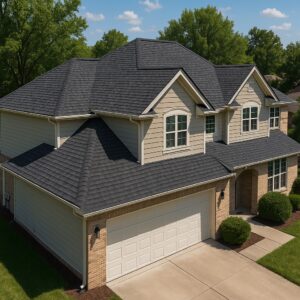
Regular roof maintenance is the single most cost-effective thing you can do to protect your home investment. A well-maintained roof lasts 20-40% longer than a neglected one — that’s 5-15 extra years of service before you need a replacement. In the Corpus Christi coastal climate, where salt air, UV exposure, and hurricane-season storms wear on your roof year-round, skipping maintenance accelerates deterioration faster than anywhere inland.
This guide covers everything Texas homeowners need to know about roof maintenance — seasonal inspection checklists, material-specific care, when to DIY vs call a professional, and how maintenance affects your insurance coverage and home value.
RISE Roofing offers free roof inspections and maintenance assessments.
Call (361) 204-5325 or schedule online. We serve Corpus Christi, Portland, Port Aransas, Ingleside, and the entire Coastal Bend.
The best roof maintenance schedule follows the seasons. In Texas, the two critical windows are spring (before hurricane season) and fall (after summer heat stress). Here’s what to check each season:
Spring is your pre-hurricane-season checkpoint. After winter cold snaps and spring storms, inspect for cracked or lifted shingles from thermal cycling and wind, damaged or deteriorated flashing around vents, chimneys, and skylights, gutter and downspout clogs from winter debris, and any visible granule loss on asphalt shingles (check gutters for granule accumulation). Clear any debris from roof valleys and around penetrations. This is also the ideal time to schedule a professional inspection if your roof is over 10 years old.
Texas summer heat punishes roofs. Surface temperatures can exceed 160-170°F on dark asphalt shingles. Watch for shingle curling or cupping from heat distortion, blistering on flat or low-slope sections, sealant strip failure (shingles not lying flat), and increased attic temperatures indicating ventilation issues. Don’t walk on an asphalt roof in peak summer heat — the shingles are soft and footprints can cause permanent damage.
Post-hurricane-season is your recovery and winter-prep window. Inspect for any storm damage that may have gone unnoticed during the season, clean gutters and ensure proper drainage before winter rains, check pipe boot seals and vent flashings for UV degradation, and trim any tree branches within 6 feet of the roof surface. If you experienced any named storms, schedule a professional inspection even if you don’t see visible damage — hidden hail impacts and wind damage often don’t show symptoms for months.
Texas winters are mild but bring freeze-thaw cycles that stress flashings and sealants. After any freeze event, check for ice-related flashing separation, verify attic insulation hasn’t shifted or compressed, and inspect for condensation or moisture in the attic space. Winter is also a good time to plan any needed repairs or replacement for the spring construction season.
Different roofing materials have different maintenance needs. Here’s what to focus on for each type common in the Corpus Christi area:
Asphalt shingles are the most common roofing material in Texas, and they need the most attention. Key maintenance tasks include monitoring granule loss (the primary indicator of shingle aging), replacing cracked, curled, or missing shingles promptly, keeping the roof surface clear of debris and organic growth, and ensuring all sealant strips are bonded. Moss and algae growth is common in humid coastal areas — clean with a gentle solution of water and oxygen bleach. Never pressure wash asphalt shingles, as this strips the protective granules.
How long do architectural shingles last? — our detailed guide covers lifespan factors specific to Corpus Christi.
Metal roofs — both standing seam and exposed-fastener systems — require minimal maintenance but aren’t zero-maintenance. Check panel fasteners and clips annually (thermal expansion can loosen connections), inspect sealant at panel overlaps and penetrations, look for scratches or chips in the paint finish that could lead to corrosion in salt air, and clear debris from panel seams and valleys. For exposed-fastener metal roofs, check every screw washer for compression and seal — this is the #1 maintenance item and the #1 leak source on screw-down metal.
Clay and concrete tile roofs are extremely durable but individual tiles can crack from foot traffic, falling branches, or hail impact. Walk tile roofs carefully (or not at all — use binoculars for visual inspection). Replace cracked tiles immediately to prevent water entry, check underlayment condition at any exposed areas, and clean valleys and drainage points where debris accumulates.
Gutters are part of your roof system and critical to roof maintenance. Clogged or damaged gutters cause water to back up under shingles, pool on fascia boards, and erode your foundation. Clean gutters at least twice per year (spring and fall), check for proper slope toward downspouts, verify downspouts discharge at least 4 feet from your foundation, and repair any loose, sagging, or leaking gutter sections. In the Coastal Bend, salt air corrodes aluminum gutters faster than inland — inspect for pitting and consider upgrading to seamless aluminum with a protective coating.
Poor attic ventilation is responsible for more premature roof failures than any other single factor. Proper ventilation removes heat and moisture from your attic space, reducing thermal stress on shingles and preventing condensation damage to the roof deck. Check that soffit vents are not blocked by insulation, ridge vents or roof vents are unobstructed, attic temperature doesn’t exceed 120°F in summer (significantly higher means ventilation issues), and there’s no visible condensation on roof deck sheathing. TWIA compliance also requires adequate ventilation — another reason this is non-negotiable for Coastal Bend homes.
Some roof maintenance tasks are safe for homeowners. Others should always be done by a professional:
Safe for DIY: Gutter cleaning (from a stable ladder), visual inspection with binoculars from the ground, checking attic ventilation and insulation, trimming tree branches away from the roof, and clearing debris from accessible valleys.
Call a professional for: Walking on the roof surface (especially steep slopes, tile, or hot shingles), replacing shingles or flashing, sealing around penetrations, assessing storm damage for insurance claims, and any work requiring harness or fall protection. A professional roof inspection typically costs -. RISE Roofing provides free inspections for Corpus Christi area homeowners — no cost, no obligation.
Regular roof maintenance directly impacts two financial factors:
Insurance claims: Insurance companies can deny claims if they determine damage resulted from deferred maintenance rather than a covered event. Documenting regular maintenance creates a paper trail showing you maintained the roof properly — strengthening your claim position when storm damage occurs. This is especially important for TWIA windstorm insurance claims.
Home value: A well-maintained roof adds ,000-,000 to your home’s sale price compared to a neglected roof of the same age. Home inspectors specifically note deferred maintenance items, and buyers use them as negotiation leverage. Use our Roof Depreciation Calculator to see where your roof stands.
Commercial roof maintenance follows the same principles but with additional considerations for flat and low-slope systems. Commercial properties should maintain a maintenance log documenting every inspection, repair, and modification — most commercial roof warranties require documented maintenance to remain valid.
Common commercial roof maintenance items include clearing drains and scuppers monthly during storm season, inspecting membrane seams and flashings quarterly, checking HVAC penetration seals after any equipment service, documenting ponding water areas and addressing drainage issues, and scheduling professional inspections twice annually. RISE Roofing offers commercial roof maintenance programs for Corpus Christi businesses — planned maintenance that protects your warranty and your investment.
The best roof maintenance starts with knowing your roof’s current condition. RISE Roofing provides free, no-obligation roof inspections for homes and businesses across the Corpus Christi area. We assess your roof’s condition, identify maintenance needs, and provide honest recommendations — whether that’s continued maintenance or planned replacement.
Call: (361) 204-5325 | Schedule online
🔒 Free, no-obligation quote — Price-locked estimate in 24 hrs