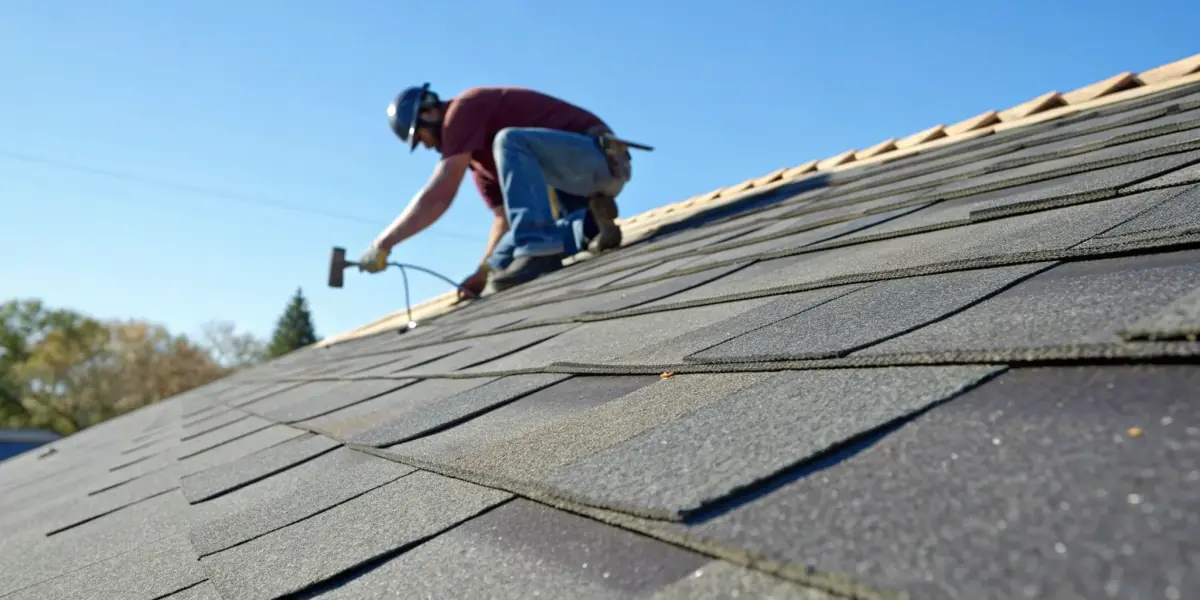
A full roof replacement is a carefully coordinated process, not just a simple construction job. From ordering materials and pulling permits to the final cleanup, every step is planned to be as efficient as possible. This is why the answer to “how long does a roof replacement take?” can vary so much. While the actual installation on a straightforward project might only last a day or two, the entire process has more moving parts. The timeline is influenced by everything from the weather forecast to the discovery of hidden damage under your old shingles. Understanding what happens behind the scenes will give you a much clearer picture of the entire project from start to finish.
One of the first questions every homeowner asks is, “How long will my house be a construction zone?” It’s a completely fair question. You have a life to live, and having a crew on your property can feel disruptive. The good news is that a full roof replacement is often much faster than people think. While every project is unique, a professional team has the process down to a science to minimize the impact on your daily routine.
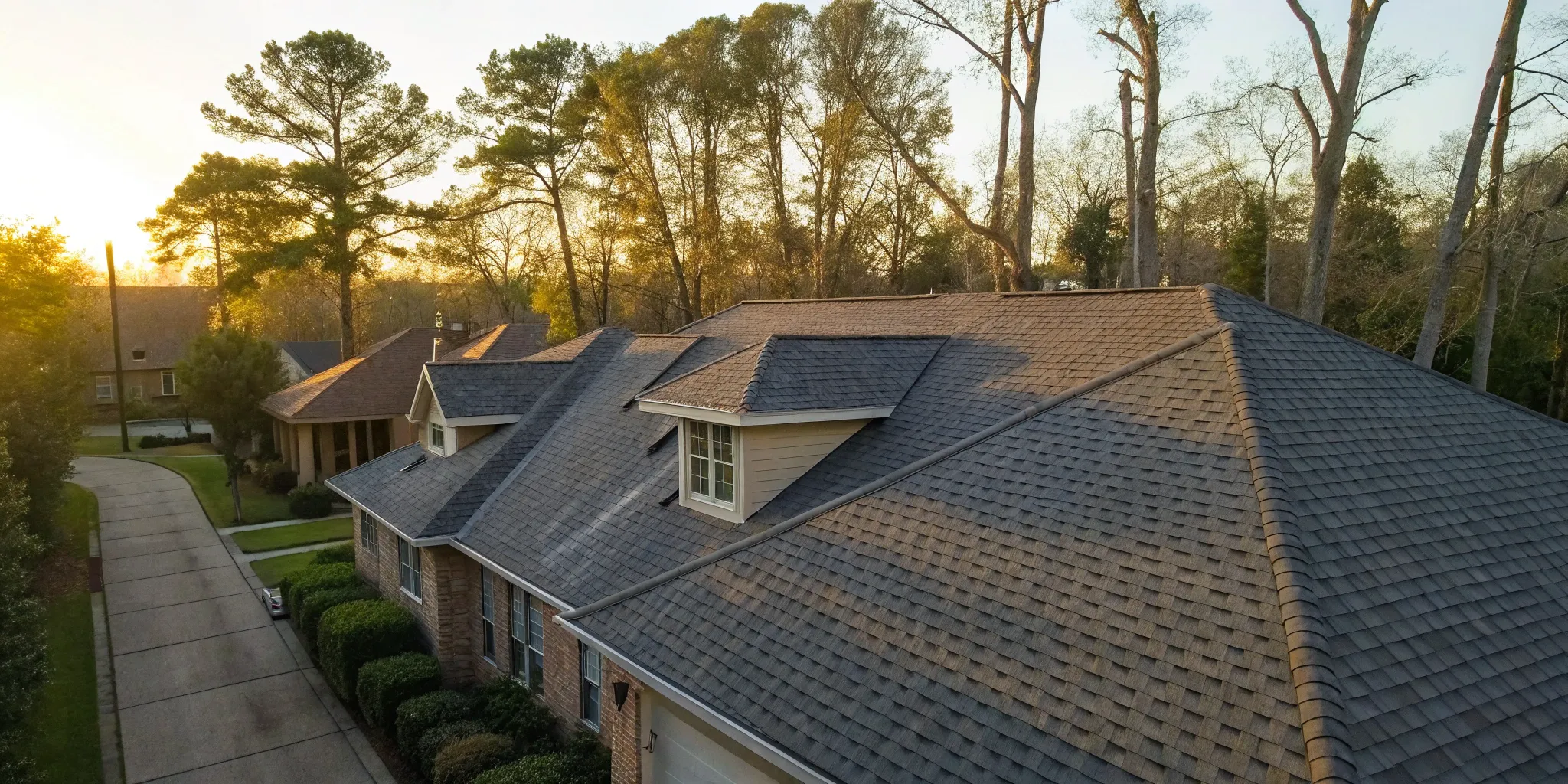
The entire process, from tearing off the old materials to the final cleanup, is a carefully coordinated effort. For most standard homes, we’re talking about a matter of days, not weeks. The exact timeline depends on a few key variables, like the size of your roof and the weather, but you can generally count on a swift and efficient project. We’ll walk through what a typical schedule looks like and what happens on-site during those few days.
For an average-sized house, which is typically under 2,500 square feet with a straightforward roofline, you can expect the actual replacement to take just one to two days. It’s amazing how quickly a skilled crew can transform a roof. In many cases, especially with ideal weather conditions, the entire job can be wrapped up in a single day.
This timeline covers the complete residential roofing process: removing your old roof, inspecting the decking underneath for any issues, installing the new materials, and cleaning up the site. A one- or two-day project means less disruption for your family and a faster return to normal life, just with a beautiful, secure new roof over your head.
So, what does a one- to three-day project actually involve? On day one, the crew typically focuses on tearing off the old roofing material and inspecting the underlying wood deck for any rot or damage that needs to be repaired. They’ll then begin installing the new underlayment and roofing materials.
If your home is larger or has a more complex roof with steep pitches, multiple gables, or skylights, the project might extend into a second or third day. This extra time allows the team to carefully work around these features and ensure every detail is perfect. You can see examples of these kinds of projects in our portfolio of recent projects. Regardless of the duration, a professional crew always prioritizes a thorough cleanup at the end of each day to keep your property tidy.
While many standard roof replacements wrap up in just a few days, your project has its own unique timeline. Several key factors can influence how long your crew will be on-site, from the specifics of your roof to the paperwork required before work can even begin. Understanding these variables will give you a much clearer picture of what to expect.
The most significant factors include the size and complexity of your roof, its current condition (and any surprises hiding underneath), the efficiency of the installation team, and local administrative requirements like permits and inspections. Each of these elements plays a role in shaping the schedule. A straightforward project on a small, low-pitch roof will naturally be quicker than a complex job on a large, steep roof with underlying water damage. Let’s look at how each of these factors can add or subtract time from your residential roofing project.
It makes sense that a larger roof with more square footage will take longer to replace than a smaller one. But size isn’t the only architectural detail that matters—the pitch, or steepness, is just as important. A steeply pitched roof is more challenging and time-consuming to work on. For safety, crews need to use specialized gear like harnesses and set up extra fall protection. This careful, methodical approach is essential for a safe worksite, but it does slow down the installation process. A roof with a complex design, featuring multiple gables, valleys, and dormers, will also require more time for precise cuts and flashing work compared to a simple, straight-run roof.
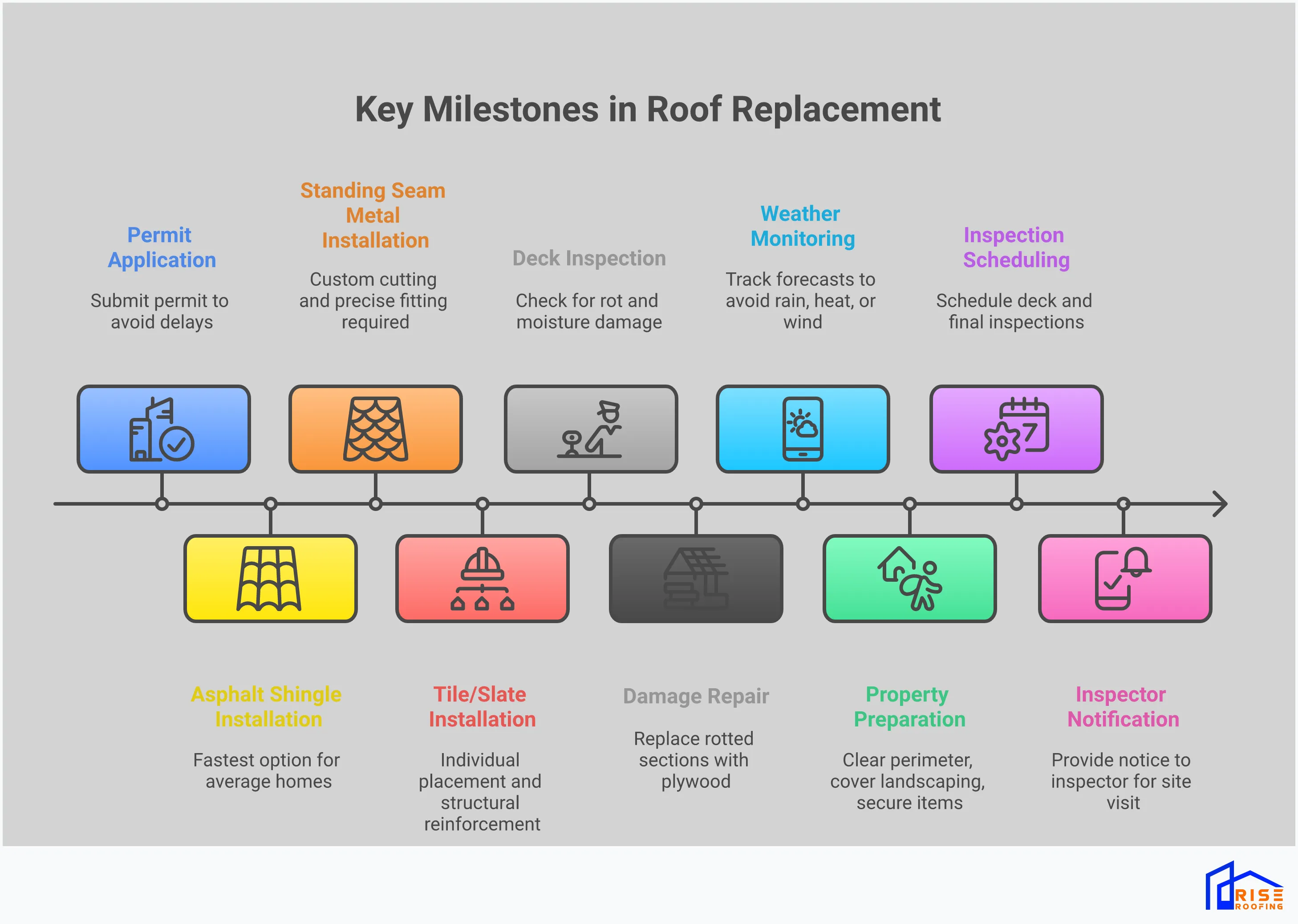
What lies beneath your old shingles is one of the biggest unknowns in any roof replacement. If the underlying wood decking is in great shape, the project can move forward quickly. However, if the crew tears off the old roof and discovers soft, spongy, or rotted wood, everything comes to a halt. This damage must be repaired by replacing the affected sections of decking before any new materials can be installed. Addressing these issues is non-negotiable for a structurally sound roof, but it will add time to the project. This is a common discovery after years of slow leaks or significant storm damage.
The efficiency and skill of your installation team are critical. A seasoned, professional crew is one of the biggest reasons a roof replacement can be completed quickly and correctly. An experienced team operates like a well-oiled machine, with each member knowing their role, from tear-off and deck preparation to shingle installation and cleanup. They have the expertise to handle unexpected challenges without significant delays. In contrast, hiring an inexperienced contractor or attempting a DIY replacement can stretch a project out for weeks and often leads to costly mistakes. You can see the difference professional work makes by looking at a company’s recent projects.
Before a single shingle can be removed, there’s often administrative work to be done. Most cities and counties, including those in our service areas, require a permit for a full roof replacement. The time it takes to file for and receive this permit can vary, adding a few days or even weeks to the pre-production timeline. Additionally, some municipalities require inspections at different stages of the project, such as after the old roof is torn off or once the new one is complete. Scheduling these inspections depends on the availability of the city inspector, which can sometimes add a day or more to the overall project timeline.
The material you choose for your new roof plays a huge role in how long the installation will take. Some materials go on quickly and efficiently, while others require more time and specialized skill to get just right. Understanding these differences helps you set realistic expectations for your project timeline. Whether you’re looking for a fast turnaround or have your heart set on a premium material, knowing what’s involved in the installation process is key.
At Rise Roofing, we work with a wide range of residential roofing materials, each with its own unique installation requirements. From classic asphalt shingles to elegant standing seam metal, the product you select will directly influence the schedule. Let’s break down the typical timelines for some of the most popular roofing options so you can plan accordingly and feel confident in your choice.
If speed is a top priority, asphalt shingles are your best bet. For an average-sized home, a full roof replacement with asphalt shingles usually takes just one to two days. This quick turnaround is possible because shingles are a lightweight, familiar material that our experienced crews can install very efficiently. The process is streamlined, minimizing disruption to your daily life. If you’re trying to decide on the perfect style, our Shingle Assistant can help you visualize different options for your home.
Metal roofing, including popular standing seam styles, requires a bit more time and precision. You can generally expect a metal roof installation to take anywhere from two to seven days. The timeline varies based on the complexity of your roof’s design and the specific type of metal being used. Unlike shingles, metal panels often need to be custom-cut and fitted on-site, which is a more detailed process. This extra care ensures a flawless, weather-tight finish that will last for decades, making the additional installation time a worthwhile investment for many property owners.
Premium materials like stone-coated steel often have a longer installation timeline because they demand special techniques. These systems are installed with meticulous attention to detail, often piece by piece, to ensure every component is perfectly aligned and secured. This careful approach is what gives these roofs their signature look and long-lasting durability. While it might add a few days to the project, the result is a stunning, high-performance roof that significantly enhances your home’s curb appeal and protection. Our crews are specially trained to handle these materials, ensuring the installation meets the highest standards.
Tile and slate roofs sit at the top of the timeline spectrum, typically taking one to two weeks to install. These materials are incredibly heavy and require a specialized installation process to handle their weight and ensure proper placement. Each tile or piece of slate is installed individually, a painstaking method that demands incredible skill and patience from the roofing crew. The extended timeline reflects the craftsmanship required to build a roof that is not only beautiful but can also last a lifetime. You can see examples of these stunning installations in our recent projects.
Of all the factors that can affect your roof replacement timeline, weather is the one nobody can control. While we can schedule your project with incredible precision, Mother Nature always has the final say. We know delays can be frustrating, but a professional roofing crew will always prioritize safety and a high-quality installation over speed. Pushing through bad weather can lead to serious safety risks for our team and a subpar roof for you, which is something we will never compromise on.
From a sudden downpour to a blistering Texas heatwave, several weather conditions can press pause on your project. It’s not just about our crew’s comfort; it’s about the integrity of the materials and the structure of your home. For example, installing shingles in the wrong conditions can void their warranty and leave your home vulnerable. Understanding how different weather events impact the roofing process will help you set realistic expectations and see why a weather delay is ultimately for the best. We constantly monitor the forecast for our service areas to find the clearest window to complete your project efficiently and safely.
Rain is the most common reason for a roofing delay, and for good reason. First and foremost, working on a wet, sloped surface is incredibly dangerous for our crew. Safety is our number one priority. Beyond that, roofing in the rain is bad for your house. Once we tear off the old materials, your roof’s decking (the wooden base) is exposed. If it rains, that water can seep into your attic and home, causing significant damage. Even a light drizzle can trap moisture under the new shingles, leading to mold, rot, and a failed installation. If it starts to rain mid-project, our team will immediately cover the exposed areas with tarps to protect your home and wait for things to dry out completely before resuming.
Here in Texas, we’re no strangers to extreme heat. Working on a roof during a summer heatwave can be dangerous for our crew, but it also affects the roofing materials. Asphalt shingles can become soft and pliable in direct, intense sun, making them easy to scuff and damage during installation. On the flip side, while we don’t get many freezing days, cold weather can also be a problem. Shingles have a thermal sealing strip that requires warmth from the sun to activate and adhere properly. If it’s too cold, they won’t seal, leaving your roof vulnerable to wind. High humidity can also make surfaces slick and affect how adhesives and sealants cure.
Working on a roof in high winds is a serious safety hazard. A strong gust can cause a roofer to lose their balance, turning a routine job into a dangerous situation. It also makes it nearly impossible to handle large materials like sheets of plywood or underlayment. Shingles can be torn from our hands and sent flying, creating a risk for people and property on the ground. For the installation to be successful, shingles need to be laid flat and nailed down securely. High winds can lift the shingles before their adhesive strips have had a chance to seal, compromising the integrity of your entire residential roofing system.
So, when is the best time to schedule a roof replacement? In Texas, spring and fall generally offer the most moderate temperatures, making them popular seasons for roofing. However, spring can also bring unpredictable rain and thunderstorms. Summer offers long daylight hours, allowing crews to get more done in a day, but the intense heat and the risk of hurricane season can lead to delays. Winter is often mild and dry, making it a surprisingly good time for a new roof, though the shorter days mean the project might take a little longer. The best approach is to talk with us about your timeline; we can plan around seasonal weather patterns to find the ideal window for your project.
Even the most carefully planned roof replacement can hit a snag. While a professional crew works hard to stick to the schedule, some issues only reveal themselves after the project is underway. Understanding these potential delays can help you set realistic expectations and feel more prepared for the process. From hidden structural problems to simple logistical challenges, a few common culprits can add extra time to your project. Knowing what they are ahead of time makes it much easier to handle them if they pop up.
One of the most common reasons for a timeline extension is discovering hidden damage after we remove your old roof. Years of slow leaks or moisture buildup can cause problems that aren’t visible from the outside, like rotted decking, soft spots in the wood, or even damage to the underlying roof structure. While finding this is never great news, addressing it is absolutely critical. Simply covering up the problem will compromise the integrity and lifespan of your new roof. Taking the extra time to make proper storm damage repairs and replace damaged wood ensures your home has a solid foundation for its new roof.
How easily our crew can get to your roof plays a big role in how quickly they can work. Obstacles around your home can slow things down considerably. Things like large trees with overhanging branches, dense landscaping close to the house, fences, or neighboring properties that are very close can make it challenging to position ladders, move materials, and safely dispose of old roofing debris. Our team is skilled at working in all kinds of environments across our service areas, but difficult access can add time to the setup and cleanup phases of the project each day.
Sometimes, we start tearing off an old roof only to find another one hiding underneath. In the past, some roofers would simply install a new layer of shingles over the old one as a shortcut. This is no longer allowed by most building codes, and for good reason—it adds a tremendous amount of weight to your home’s structure and can trap moisture. Removing two or even three layers of old shingles is far more labor-intensive than removing a single layer. It takes more time, creates significantly more debris, and is a much bigger job than a standard tear-off for a residential roofing project.
While we do everything we can to plan ahead, supply chain issues can occasionally cause delays. This is especially true for specialty materials that may not be stocked locally. Even with standard materials, a sudden high demand in the area (often after a major storm) can lead to shortages or backed-up delivery schedules. A professional roofing company will order your materials well in advance to minimize this risk. However, unexpected delays from the supplier or trucking company can sometimes leave a crew waiting for a delivery, pushing the project timeline back until the necessary materials arrive on-site.
A roof replacement is a major home improvement project, but a little preparation goes a long way toward making it a smooth and stress-free experience. Knowing what to expect and how to get your home ready will help the project run on schedule and protect your property. Think of it as setting the stage for a successful installation. By taking a few simple steps before the crew arrives, you can ensure everything goes off without a hitch.
Before any work begins, you need a clear roadmap. A professional estimate is more than just a number; it’s a detailed plan that outlines the entire scope of your project. It should include a projected timeline, a list of materials, and a full cost breakdown. This document sets expectations for both you and your contractor. Don’t hesitate to ask questions if something isn’t clear. While unforeseen issues can sometimes adjust the schedule, starting with a transparent and thorough estimate ensures everyone is on the same page from day one. You can even use a roof cost calculator beforehand to get a general idea of the investment.
Your home is about to become an active work zone, so it’s smart to prep it inside and out. Start by clearing your driveway and the perimeter of your house to give the crew easy access. Move potted plants, patio furniture, and grills out of the way. It’s also a good idea to cover any delicate landscaping with tarps. Inside, the vibrations from the work can shake things loose, so take down pictures, mirrors, and fragile items from your walls and shelves. If you have items stored in the attic, cover them to protect them from dust and small debris that might fall through the decking.
A roof replacement can be noisy and disruptive, so it’s important to get everyone in your household on the same page. Walk your family through the project schedule so they know what to expect. If you have young children who nap during the day or family members who work from home, you might want to make temporary arrangements. The constant hammering and movement can also be stressful for pets, so be sure to have a plan to keep them safe and calm in a quiet room or at a friend’s house. Communicating the plan ahead of time helps minimize surprises and keeps your household running smoothly.
Even with the most meticulous planning, surprises can happen. The most common issue is discovering hidden damage, like rotted decking or structural problems, once the old roofing material is torn off. This requires immediate repairs that can extend the project timeline. Weather is another major factor—rain, high winds, or extreme heat can cause delays for safety reasons. While your contractor will build some buffer into the schedule, it’s helpful to be mentally prepared for a potential extension. A good crew will communicate openly about any setbacks, keeping you informed every step of the way as they work on your residential roofing project.
Can I stay in my house during the roof replacement? Yes, you can absolutely stay in your home. However, it’s important to know that the process is very loud. You’ll hear constant hammering and footsteps directly above you. If you work from home, have small children who need to nap, or are sensitive to noise, you might be more comfortable making arrangements to be elsewhere during the day while the crew is active.
What happens if the crew finds rotted wood after tearing off the old roof? This is a common discovery, and we have a clear process for it. The moment we find any structural issues like rotted decking, we stop work in that area. We’ll show you exactly what we’ve found, explain why it needs to be repaired, and provide a clear change order detailing the cost for the additional materials and labor. We will never proceed with these necessary repairs until you fully understand the situation and give your approval.
How messy is the process, and what does cleanup involve? A roof replacement is a construction project, so it does create a lot of debris. However, our team takes great care to protect your property. We use tarps to cover your landscaping and siding, and we are diligent about containing the tear-off materials. At the end of each day, we do a general cleanup, and once the project is complete, we perform a final, thorough sweep of your entire property, including using magnetic rollers to find and remove stray nails.
Do I need to be home for the entire project? You don’t need to be present for the whole installation. We just need to ensure our crew has access to your property and an outdoor electrical outlet. We do recommend being available by phone in case we need to contact you with questions or updates, especially if we uncover any unexpected damage. We will also coordinate with you for any required city inspections.
Is there a best time of year to replace my roof? While we can replace roofs year-round, spring and fall typically offer the most moderate and predictable weather, making them ideal seasons for this kind of work. Summer provides long daylight hours, which can speed up a project, but we have to be mindful of extreme heat and hurricane season. The most important factor is scheduling the work before existing problems get worse, and we can help you find the best possible window for your project.
The certified RISE Roofing installation crew brings more than two decades of experience to every project. Contact us for a free estimate on how long does a roof replacement take services.
Explore our professional roofing services in Corpus Christi and surrounding areas:
Maintenance guidelines from the NRCA.
🔒 Free, no-obligation quote — Price-locked estimate in 24–48 hrs
Trace your roof on satellite imagery and get a real installed price in under 60 seconds.
Powered by satellite roof measurement technology. No obligation.