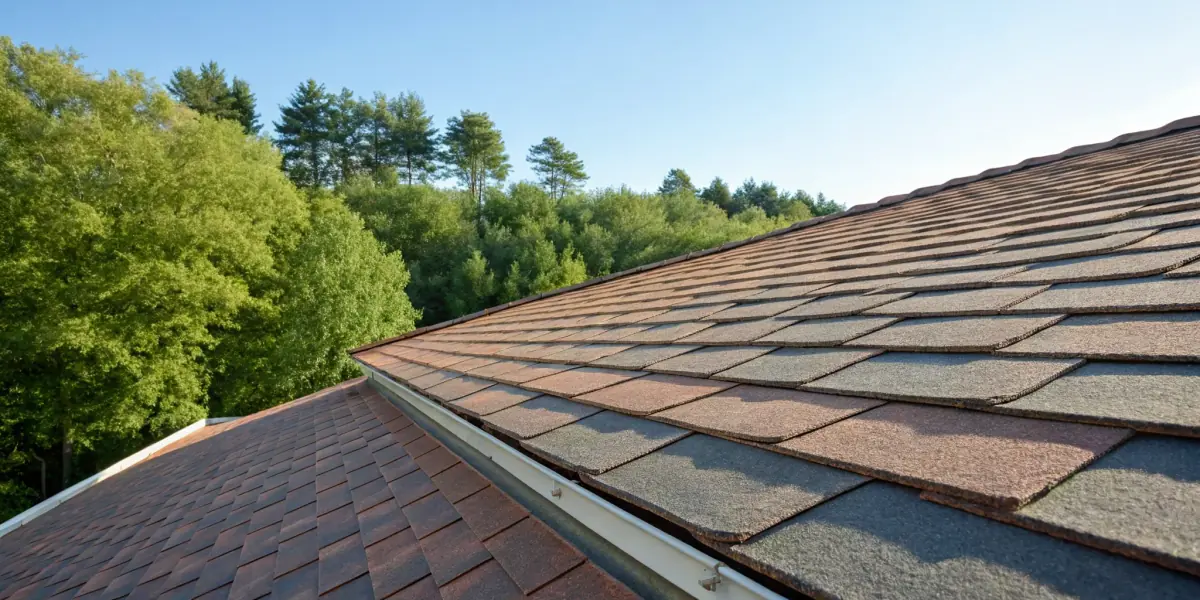
Living on the Texas coast means your home faces a unique set of challenges. The combination of relentless sun, corrosive salt spray, and severe storm seasons puts incredible stress on your roof. That’s why choosing the right materials and installation methods is so critical here. A standard approach just won’t cut it. This guide is specifically for coastal homeowners, focusing on the durable materials that stand up to our climate and the local building codes you need to know. We’ll walk you through everything you need for a successful roof replacement Corpus Christi that’s built to last.
Let’s talk numbers. Budgeting for a new roof can feel like a huge question mark, but it doesn’t have to be. While the final price tag depends on your specific home, understanding the moving parts can give you a much clearer picture. Nationally, a roof replacement can range from about $7,300 to over $24,000, with the average for homes in the South sitting around $9,600. Here in Corpus Christi, your costs will fall somewhere in that spectrum, influenced by a few key variables that we’ll break down.
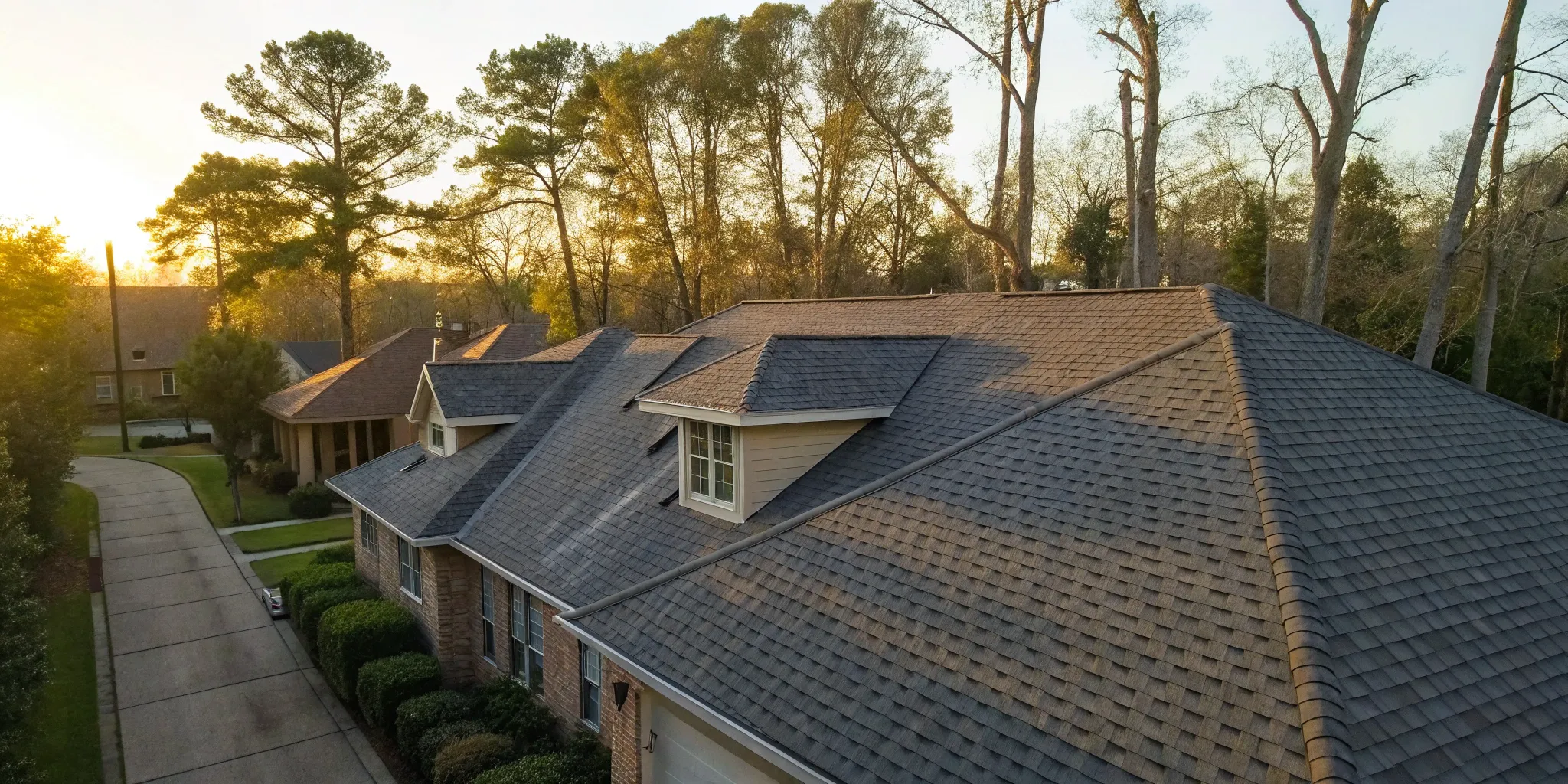
The biggest driver of your total cost is the material you choose. Basic asphalt shingles are budget-friendly, while options like metal or stone-coated steel have a higher upfront cost but offer superior longevity and storm resistance—a smart trade-off on the coast. The complexity of your roof also plays a big role; a simple, low-pitched roof is less labor-intensive than one with steep angles, dormers, and multiple valleys. Finally, the overall size of your roof and local labor rates will round out the final estimate. A larger, multi-story home will naturally require more materials and time from a skilled residential roofing team.
The best way to nail down your budget is to get a few detailed quotes from reputable, local roofing companies. This allows you to compare not just the price, but the scope of work, materials proposed, and warranty offered. Before you call, think about your priorities. Are you looking for the best possible hurricane protection, or is curb appeal your main goal? How long do you plan to stay in your home? Answering these questions will help your roofer recommend the right materials for your needs. For a quick starting point, you can use an online roof cost calculator to get a ballpark figure based on your home’s size and preferred material.
Living on the Texas coast means enjoying beautiful beaches and sunny days, but it also means your home has to stand up to some serious weather. From the intense summer sun and salty air to the constant threat of hurricanes and high winds, your roof is your home’s first line of defense. Choosing the right material isn’t just about looks; it’s about finding the best protection for your investment and your family. The good news is that you have excellent options, each with its own set of benefits tailored to our unique coastal climate.
The best material for your home depends on your budget, your style preferences, and the level of protection you’re looking for. Some materials offer a great balance of affordability and reliability, while others provide unmatched durability for the ultimate peace of mind. We work with a variety of residential roofing materials designed to handle everything the Gulf Coast can throw at them. Let’s walk through the most popular choices for Corpus Christi homes so you can feel confident in your decision.
Asphalt shingles are the most popular roofing material in the country for a reason. They offer a fantastic combination of performance, affordability, and style. Modern architectural shingles are thick, durable, and come in a huge range of colors and textures to match any home’s aesthetic. While they may not have the same lifespan as metal or tile, a well-installed, high-quality shingle roof can easily handle moderate coastal weather. They provide a dependable and cost-effective solution for many homeowners. If you’re curious about how different colors might look on your home, our Shingle Assistant is a great tool to help you visualize the final result.
If you’re looking for a roof that’s built to last, metal is an outstanding choice for the Texas coast. Materials like standing seam and stone-coated steel are engineered to withstand hurricane-force winds and resist corrosion from the salty air. Metal roofs are also incredibly energy-efficient. They reflect solar heat, which can help lower your cooling costs during our long, hot summers—a major plus for any Texas homeowner. While the initial investment is higher than shingles, the long lifespan and low maintenance needs of a metal roof make it a smart, cost-effective choice over the long run. It’s a durable option that provides decades of reliable protection.
For homeowners who want the absolute best in terms of durability and curb appeal, tile and stone-coated steel are top-tier options. These materials offer superior protection against the most extreme weather conditions, including high winds, humidity, and hail. Clay and concrete tiles provide a classic, timeless look, while stone-coated steel offers the strength of metal with the appearance of traditional shingles, wood, or tile. Both are incredibly long-lasting and provide excellent insulation. You can see how these premium materials look on real homes by browsing our recent projects. While they represent a significant upfront investment, their longevity and resilience offer unparalleled peace of mind.
Choosing a roofer is one of the most important decisions you’ll make for your home. This isn’t just about shingles and nails; it’s about finding a trusted partner to protect your biggest investment. A great contractor brings peace of mind, quality craftsmanship, and a commitment to seeing the job through. The right team will not only install a durable roof but also guide you through material selection, explain the process clearly, and stand by their work for years to come.
With so many options out there, it can feel overwhelming to sort through them all. The key is to know what to look for and what questions to ask. A little preparation goes a long way in helping you identify a professional, reliable company that serves the Corpus Christi area with integrity. Think of it like an interview—you’re hiring an expert for a critical role, and you deserve to feel confident in your choice. We’ll walk through the essential credentials, the right questions to ask, and the red flags to watch out for so you can hire the best roofer for your residential roofing project.
Before you even discuss project details, make sure any potential roofer has their paperwork in order. First, confirm they have both general liability insurance and worker’s compensation. This is non-negotiable. Liability insurance protects your property from accidental damage, while worker’s comp covers their crew in case of injury, ensuring you aren’t held responsible. Ask for proof of insurance directly from their provider. Beyond that, look for professional certifications, which show a commitment to training and industry standards. A reputable company will also have a strong local presence and positive online reviews that speak to their quality of work and customer service.
Once you’ve verified a roofer’s credentials, it’s time to dig into the specifics of your project. Start by asking how long they’ve been in business locally and if you can see examples of their recent projects. Inquire about the materials they recommend for coastal homes like yours and why they prefer certain brands or types. A great roofer will explain the pros and cons of each option. Finally, always ask for a detailed written contract that outlines the full scope of work, materials to be used, a project timeline, a clear payment schedule, and all warranty information. This document protects both you and the contractor.
Knowing what to avoid is just as important as knowing what to look for. Be wary of any contractor who uses high-pressure sales tactics or demands a large cash deposit upfront. A major red flag is an unusually low bid, which often signals subpar materials or inexperienced labor. Another warning sign is a lack of a permanent local address—”storm chasers” often appear after bad weather and disappear just as quickly, leaving you with a shoddy roof and no warranty. A poorly installed roof can lead to serious issues like leaks and structural damage, so trust your gut. Use a roof cost calculator to get a baseline idea of pricing and avoid contractors who can’t provide a clear, detailed estimate.
Deciding between a roof repair and a full replacement is one of the biggest choices a homeowner has to make. A small leak might seem like a quick fix, but sometimes it’s a sign of a much larger issue hiding underneath. On the other hand, you don’t want to pay for a brand-new roof if a simple, solid repair will do the job. The right choice depends on several factors, including the age of your roof, the extent of the damage, and your long-term plans for your home.
Making this call isn’t just about stopping a leak; it’s about protecting your home, your family, and your investment for years to come. A new roof can feel like a huge expense, but constant repairs can add up, too, becoming a frustrating cycle of fixes. The key is to weigh the short-term costs against the long-term value and security. Getting a clear picture of the potential expenses can help, which is why using a roof cost calculator can be a great first step in understanding the financial side of the equation. Ultimately, a thorough inspection from a trusted professional will give you the information you need to choose confidently.
While a repair can be a great solution for isolated damage on a relatively new roof, there’s a tipping point where it no longer makes financial sense. According to This Old House, if your repair costs are approaching 30% or more of the price of a new roof, a full replacement is the smarter financial move. Patching up an old, failing roof can become a cycle of endless fixes that drain your wallet without solving the underlying problem.
Beyond the cost, look for widespread issues. Are you seeing curling, cracked, or missing shingles across large sections of your roof? Have you noticed significant granule loss in your gutters? These are signs that your roof is reaching the end of its lifespan and its structural integrity is compromised. A single repair won’t fix systemic failure, making a full replacement the safer and more cost-effective choice for your residential roofing needs.
Investing in a new roof offers benefits that go far beyond just keeping the rain out. A full replacement can significantly increase your home’s value, enhance its curb appeal, and even improve energy efficiency, which is a huge plus during our hot Texas summers. Modern roofing materials are designed to reflect more sunlight, keeping your attic cooler and reducing the strain on your AC system. This means you could see a noticeable drop in your monthly energy bills.
Plus, a new roof provides something repairs can’t: peace of mind. A comprehensive roofing warranty typically covers both the manufacturer’s materials and the contractor’s workmanship, creating a safety net for your investment. Instead of worrying about the next storm or wondering if a patch will hold, you can rest easy knowing your home is protected by a brand-new, professionally installed system built to last.
Navigating insurance claims can feel like a job in itself, but understanding the basics can make a world of difference. Whether your insurance provider will cover a full roof replacement depends on a few key things: the age of your roof, its overall condition, and the specific cause of the damage. Insurance is designed to cover sudden, accidental damage from events like hail or windstorms, not gradual wear and tear that happens over time. So, if a hurricane damages your roof, you’re likely covered. If it’s just old and failing, the replacement cost will probably come out of your pocket.
For older roofs, typically those over 15 years, insurance companies can be a bit more stringent. They might require an inspection before renewing your policy or limit your coverage for specific perils like wind or hail. It’s also common for insurers to pay out the “Actual Cash Value” (ACV) for an older roof, which accounts for depreciation, rather than the full “Replacement Cost Value” (RCV) you’d need to install a brand new one. This difference can be thousands of dollars. Knowing the details of your policy is the first step. If you’re trying to figure out what your claim might look like, using an insurance claim estimator can give you a clearer picture of potential costs and coverage.
Think of your insurance adjuster as an investigator; your job is to provide them with clear, undeniable evidence. The single most important thing you can do is document everything. Before you even think about temporary fixes, take clear, well-lit photos of all the damage from different angles. Get close-ups of dented shingles or torn flashing, but also take wider shots to show the full scope. Keep a dedicated folder for all your roofing paperwork, including past inspection reports, maintenance receipts, and a log of every conversation you have with your insurance company. A professional inspection from a trusted contractor can also provide a detailed report that strengthens your claim and ensures no damage is overlooked.
Living in Corpus Christi means dealing with the constant threat of high winds and hurricanes. That’s where the Texas Windstorm Insurance Association (TWIA) comes in. For many coastal homeowners, TWIA provides essential wind and hail coverage that standard policies might not include. To qualify for this coverage, your roof must meet specific building code requirements designed to withstand hurricane-force winds. This often means choosing specific materials and installation methods. Working with a roofer who understands these local standards is non-negotiable, as it ensures your roof is strong enough to protect your home.
The coastal environment is tough on roofs. The combination of intense sun, salty air, high humidity, and frequent storms means you need to be extra vigilant after severe weather. When documenting damage for a claim, be as thorough as possible. Create a detailed record that includes the date of the storm and a list of all visible issues. Look for missing, cracked, or bruised shingles, check for dents on vents or flashing, and inspect your gutters for an excessive amount of shingle granules, which is a sign of significant wear. If you need to make emergency repairs, like putting a tarp over a leak, keep every receipt. This meticulous documentation will be your best asset when you file your claim.
Getting a new roof is a major home improvement project, and you want to make sure it’s done right. After all, it’s the main line of defense for your home. While you’re focused on the big decisions, a few small missteps can lead to big headaches down the road. Knowing what to watch out for can help you feel confident in your investment and ensure your new roof performs beautifully for years to come.
The good news is that the most common mistakes are also the most preventable. It all comes down to careful planning, choosing the right materials for our coastal climate, and working with a contractor who pays attention to the details. Let’s walk through a few key pitfalls to sidestep so your roof replacement goes as smoothly as possible.
It’s completely understandable to have a budget in mind for your roof replacement. However, making your decision based only on the lowest price tag is one of the biggest mistakes you can make. Cheaper materials often mean a shorter lifespan and a higher likelihood of needing repairs sooner, which ends up costing you more in the long run. Think of your roof as a long-term investment in your home’s safety and value.
Investing in quality materials that are suited for the Texas coast will give you better durability and peace of mind. Instead of focusing only on the initial cost, consider the lifetime value. Our Shingle Assistant can help you explore durable and attractive options that fit your home’s style and your budget.
Ventilation might not be the most exciting part of a new roof, but it’s absolutely critical, especially in our hot and humid climate. A properly ventilated roof allows air to circulate through your attic, preventing heat and moisture from building up. Without it, you’re looking at potential problems like mold growth, warped decking, and higher energy bills as your AC works overtime to cool your home.
An experienced roofer will know how to calculate and install the right ventilation system for your home’s specific needs. This isn’t a detail to be glossed over—it’s essential for the health and longevity of your entire roofing system. Proper installation is key to ensuring your residential roofing protects your home effectively.
Here on the Texas coast, we know the weather can turn on a dime. A sudden downpour during a roof replacement can be disastrous, leaving the inside of your home exposed to water damage. A professional roofing contractor will never start a job without carefully checking the forecast. They should have a clear plan for protecting your property if unexpected weather rolls in.
This is a major sign of a contractor’s professionalism and experience. They should be proactive about scheduling the work for clear days and communicating their plan with you. Don’t be afraid to ask how they handle potential weather delays—it shows you’re working with a team that prioritizes protecting your home above all else.
A new roof is one of the most important investments you’ll make in your home, so it’s smart to have a plan for protecting it and managing the cost. Once you’ve chosen your materials and found a contractor you trust, the final steps involve understanding your warranty and figuring out the best way to pay. Thinking through these details ahead of time ensures your investment is secure and the financial side of the project is as stress-free as possible.
Your roof warranty is your safety net. It’s essential to know that not all warranties are created equal. Most roof replacements come with two types of coverage: a manufacturer’s warranty for the materials and a workmanship warranty from your contractor. Since improper installation is the number one cause of roofing problems, the workmanship warranty is incredibly valuable. It protects you if the roof fails due to an error during installation. A great residential roofing contractor will offer a strong workmanship warranty to stand behind their quality. Look for a comprehensive warranty that covers both materials and labor to give you complete peace of mind.
Let’s be honest—a new roof is a major expense. If paying for it all at once isn’t feasible, financing can be a great solution to make the cost more manageable. Many roofing companies offer financing programs with flexible payment plans, allowing you to get the new roof you need now and pay for it over time. Before you explore loan options, it’s helpful to have a clear idea of the total project cost. Using a tool like a roof cost calculator can give you a solid baseline. Keep in mind that a good credit score can help you secure better loan terms, so it’s worth knowing where you stand financially before you apply.
A roof replacement is a major home improvement project, but a little preparation goes a long way in making the process smooth and stress-free. Knowing what to expect, how to handle the paperwork, and what to do after the crew leaves will help you protect your investment for years to come. Here’s a straightforward guide to getting your home—and yourself—ready for a new roof.
Once you’ve chosen your materials and signed a contract, your roofer will provide a project timeline. While the exact duration depends on the size and complexity of your roof, most residential roofing projects take between two to five days. The process generally starts with the delivery of materials, followed by the crew arriving to tear off the old roof. Then comes the installation of the new roofing system and, finally, a thorough cleanup and final inspection.
A professional contractor will communicate this schedule clearly so you know what’s happening each day. It’s important not to rush this process. A poorly installed roof can lead to a host of problems, including leaks, mold, and even structural damage that requires expensive repairs. To prepare, you should clear your driveway for the dumpster and work trucks, move patio furniture and potted plants away from the house, and cover anything in the attic with a tarp to protect it from dust and debris. It’s also wise to plan for noise and keep children and pets safely indoors and away from the work area.
One of the most important steps in a roof replacement is securing the proper permits. Some homeowners mistakenly believe that permits aren’t required for re-roofing, but in Corpus Christi and most other areas, they are mandatory. Permits ensure that the work is done according to local building codes, which are in place to protect you and your home’s structural integrity. This is especially critical along the Texas coast, where roofs must meet specific standards for wind resistance.
The good news is that you don’t have to handle this yourself. A qualified and experienced roofing contractor will manage the entire permitting process for you, from filing the application to scheduling the necessary inspections. This is a key part of their service and a sign that you’re working with a true professional. They will be familiar with the specific requirements in your area, ensuring your new roof is fully compliant and built to last.
Your responsibility as a homeowner doesn’t end when the installation crew drives away. To get the most out of your new roof, you need a simple maintenance plan. Regular upkeep is especially important in our coastal climate, where humidity and salt air can accelerate wear and tear. After your new roof is installed, make a habit of cleaning your gutters at least twice a year to prevent water from backing up under your shingles. It’s also a good idea to trim any overhanging tree limbs to prevent damage during a storm.
Most importantly, schedule professional inspections every year or two. A proper inspection can identify hidden roof problems that often develop faster in Corpus Christi’s climate, allowing you to address small issues before they become major headaches.
How long will the roof replacement actually take from start to finish? Most residential roof replacements in our area wrap up in about two to five days. The first day usually involves delivering materials and a dumpster. The real work starts on day two with the tear-off of your old roof, followed by the installation of the new system. The final day is all about cleanup and a final inspection. The biggest variable is weather; a sudden coastal storm can pause the project, but a professional crew will always have a plan to keep your home protected.
What’s the real difference between a material warranty and a workmanship warranty? Think of it this way: the material warranty comes from the company that made the shingles or metal panels, and it covers defects in the product itself. The workmanship warranty comes from your roofer and covers the quality of the installation. Since most roof failures are due to installation errors, not faulty materials, a strong workmanship warranty from a contractor who stands by their work is incredibly important for your peace of mind.
My roof isn’t leaking, but it’s over 20 years old. Should I replace it proactively? It’s a smart move to consider it. Replacing a roof before it starts to fail can save you from the stress and expense of emergency repairs and potential water damage inside your home. An older roof is also less likely to be covered fully by insurance after a storm. By being proactive, you get to choose your materials and contractor on your own terms, not in a rush after a leak appears.
Can I stay in my house while the work is being done? Absolutely. You don’t need to move out during a roof replacement. However, be prepared for a significant amount of noise. There will be constant hammering and walking on the roof, which can be disruptive if you work from home or have young children. It’s also a good idea to keep pets secured indoors and away from the work area for their safety.
Why is proper roof ventilation so important in Corpus Christi? Our coastal climate brings intense heat and humidity, and that combination can get trapped in your attic. Without proper ventilation, that hot, moist air has nowhere to go, which can lead to mold growth and even damage the structure of your roof deck over time. A well-ventilated roof system allows that air to escape, keeping your attic cooler, lowering your energy bills, and extending the life of your new roof.
At RISE Roofing, we specialize in roof replacement corpus christi solutions backed by certified installers and 10-year workmanship warranties.
The certified RISE Roofing installation crew brings more than two decades of experience to every project. Contact us for a free estimate today.
When it is time for a roof replacement in Corpus Christi, choosing the right contractor matters. RISE Roofing handles roof replacement Corpus Christi homeowners depend on with certified workmanship.
Scheduling a roof replacement in Corpus Christi during the right season saves time and money. RISE Roofing handles roof replacement Corpus Christi homeowners count on with Owens Corning certified crews. Every roof replacement Corpus Christi project includes a 10-year workmanship warranty.
Explore our professional roofing services in Corpus Christi and surrounding areas:
🔒 Free, no-obligation quote — Price-locked estimate in 24–48 hrs
Trace your roof on satellite imagery and get a real installed price in under 60 seconds.
Powered by satellite roof measurement technology. No obligation.