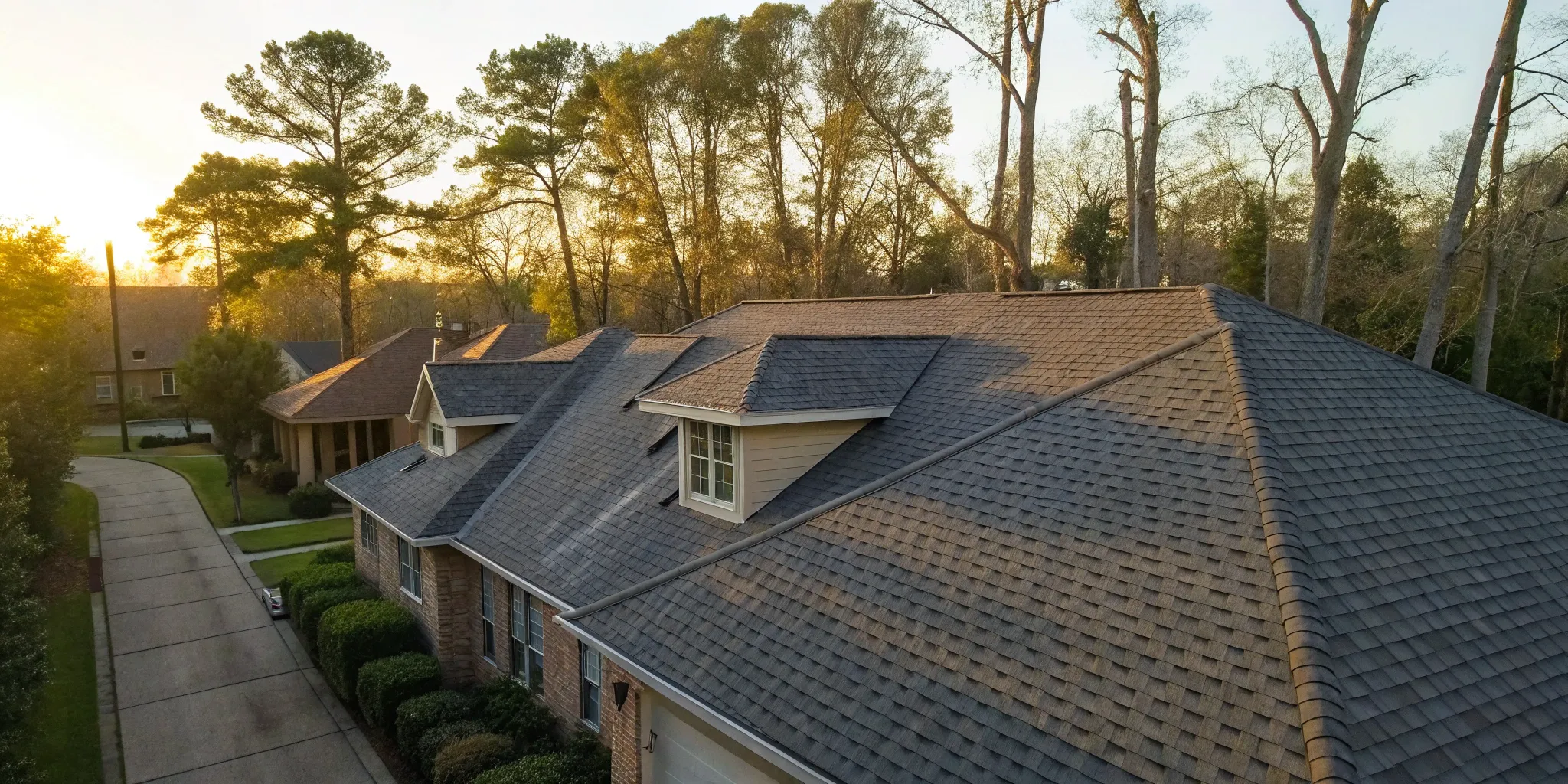
Living on the Texas coast means a reliable roof isn’t just a feature—it’s a necessity. Storms and intense sun can take a toll, and when it’s time for a replacement, you need to act. But what happens when the timing isn’t right for your budget? That’s where financing comes in. For homeowners in our community, understanding the specifics of Portland Texas roof finance can provide immediate peace of mind. We’ll cover the different paths you can take, from leveraging your insurance after a storm to working with local contractors who offer payment plans, ensuring you can secure your home without financial strain.
Key Takeaways
- Explore all your funding options: Don’t feel limited to paying in cash. You can use personal loans, home equity, or in-house financing from your contractor to make a necessary roof replacement manageable for your budget.
- Look beyond the monthly payment: The best loan isn’t always the one with the lowest payment. Compare the APR, term length, and any fees to understand the total cost of the loan and avoid paying more than you need to over time.
- Preparation helps you secure better rates: Before applying for financing, check your credit score and gather your financial documents. Taking these simple steps can put you in a stronger position to receive more favorable loan terms.
How Can You Finance a New Roof in Portland, Texas?
A new roof is one of the most important investments you can make in your home, but that doesn’t mean you have to pay for it all at once. If a roof replacement isn’t in your immediate budget, you have several financing options available to protect your home now and pay over time. Let’s walk through the most common ways to fund your roofing project.
Personal Loans
A personal loan is a straightforward way to cover the cost of your new roof. Banks, credit unions, and online lenders offer these loans, which you repay in fixed monthly installments over a set period. Because most are unsecured, you don’t have to use your home as collateral. An unsecured personal loan for home improvement gives you a lump sum of cash to cover the entire project. This makes budgeting simple, as you’ll know exactly what your payment will be each month until the loan is paid off. It’s a popular choice for homeowners who want a clear and predictable payment plan.
Home Equity Loans & HELOCs
If you’ve built up equity in your home, you can use it to your advantage. A home equity loan gives you a one-time lump sum, making it a great fit for a large, defined project like a full roof replacement. A Home Equity Line of Credit (HELOC), on the other hand, works more like a credit card, giving you a line of credit you can draw from as needed. Both options often come with lower interest rates than personal loans because your home secures the loan. The best choice depends on whether you need all the funds at once or prefer more payment flexibility.
In-House Contractor Financing
Many roofing contractors, including us at Rise Roofing, offer financing directly to our customers. This is often the most convenient option because you can handle the project and the payment plan all in one place. We partner with lenders to provide various financing plans designed to fit different budgets. This approach allows you to get your new roof installed right away, securing your home against the elements without the stress of a large upfront payment. It simplifies the process by letting you work with a team you already know and trust for both the installation and the financing.
Credit Cards
Using a credit card is another way to pay for your roof, and it can be a good choice if you have a card with a low promotional interest rate or a great rewards program. However, standard interest rates on credit cards can be high, so this option works best if you have a solid plan to pay off the balance quickly. Before you charge the full amount, it’s always a good idea to check if your homeowner’s insurance will cover any of the cost, especially if the damage was caused by a storm. You might find you only need to cover your deductible, which is a much more manageable expense.
Comparing Your Financing Options
Once you have a few financing options on the table, it’s time to look closer at the details. Think of it like comparing roofing materials—each one has its own set of pros and cons, and the best choice depends on your specific situation. The loan with the lowest monthly payment isn’t always the cheapest in the long run, and the fastest option might come with a higher price tag.
To make a smart decision for your residential roofing project, you’ll want to compare a few key factors: the interest rate and loan term, how your credit score impacts your offer, and how quickly you can get the funds. Understanding these elements will help you see the full picture of what you’re agreeing to, ensuring there are no surprises down the road. Let’s break down what each of these means for you and your wallet.
Breaking Down Interest Rates and Terms
The interest rate is what the lender charges you for borrowing money, while the term is the length of time you have to pay it back. Together, they determine your monthly payment and the total cost of the loan. A lower interest rate is always better, but you also need to consider the term. A longer term will give you a lower monthly payment, but you’ll pay more in interest over the life of the loan.
Home equity loans and lines of credit (HELOCs) often have lower interest rates than personal loans or credit cards because they are secured by your home. A home equity loan and a HELOC differ in how you receive the money, so it’s worth exploring both to see which fits your needs.
How Your Credit Score Plays a Role
Your credit score is one of the most important factors lenders consider when you apply for financing. A strong credit score shows lenders that you have a history of managing debt responsibly, which makes you a lower-risk borrower. In return, they’ll likely offer you a lower interest rate and more favorable terms. If your score is on the lower side, you may still qualify for a loan, but the interest rate will probably be higher.
Before you start applying, it’s a great idea to check your credit score so you know where you stand. If it’s not as high as you’d like, you can take steps to improve it before seeking a loan, potentially saving you a lot of money.
Understanding Approval Times and Funding
When you have a leaking roof, time is of the essence. Different financing options come with different timelines for approval and funding. Personal loans and credit cards can often be approved within a day or two, giving you quick access to cash. In-house contractor financing is also typically a streamlined process designed to get your project started quickly.
On the other hand, home equity loans and HELOCs take longer—often several weeks—because they require a home appraisal and more extensive paperwork. While they might offer better rates, they aren’t ideal for emergency repairs. Consider your project’s urgency when weighing your options, and use a roof cost calculator to get a clear idea of the amount you’ll need to finance.
The Pros and Cons of Financing Your Roof
Deciding to finance a new roof is a big step, and it’s smart to look at it from all angles. For many homeowners in Portland, Texas, financing is what makes a crucial home improvement project possible right when it’s needed. It allows you to protect your home without draining your savings. However, like any financial agreement, it comes with responsibilities and details you need to understand. Let’s walk through the benefits, the potential drawbacks, and some common misunderstandings so you can make a choice that feels right for you and your home.
The Upside: Why Financing Can Be a Smart Move
The most significant advantage of financing is the ability to address a pressing need immediately. You don’t have to wait until you’ve saved up the full amount, which is critical if you’re dealing with leaks or storm damage. Financing enables you to invest in a high-quality, durable residential roofing system that protects your home’s value and safety without causing a major financial strain. Instead of a large one-time expense, you get predictable monthly payments that fit into your budget. This approach turns an overwhelming cost into a manageable one, ensuring your family and your investment are protected without delay.
The Downside: What to Watch Out For
While financing makes a new roof more accessible, it’s important to be aware of the potential costs. The primary drawback is the interest you’ll pay over the life of the loan, which adds to the total expense of your roof. It’s essential to read the fine print for any hidden fees or prepayment penalties. Your credit score will also play a big part in the interest rate you’re offered; a lower score can mean higher costs. Before you commit, it’s a good idea to use a roof cost calculator to get a clear estimate of your project’s price, which will help you better understand what your loan payments might look like.
Common Myths About Roof Financing
Many people believe that roof financing is always complicated or comes with sky-high interest rates, but that’s often not the case. One of the biggest myths is that you need a perfect credit score to qualify. While a better score helps secure lower rates, many programs are designed for a range of credit profiles. Another common misconception is that your options are limited. In reality, there are many competitive financing plans available, from personal loans to contractor financing. The key is to do your research and talk to a trusted professional who can walk you through the real options that make a new roof an achievable goal.
Who Offers Roof Financing in Portland, Texas?
When you need a new roof, figuring out how to pay for it is just as important as choosing the right shingles. The good news is you have options right here in the Portland area. You can always approach your bank or a local credit union for a personal or home equity loan. But one of the most straightforward paths is to work directly with your roofing contractor. Many local companies have partnerships with lenders to offer in-house financing, which can simplify the entire process from estimate to installation.
Going through your roofer can be a huge time-saver. Instead of juggling applications with a separate lender, you can handle everything under one roof—pun intended. These financing plans are designed specifically for home improvement projects, so the terms are often a great fit for a roof replacement. The key is to find a trusted, local contractor who is transparent about their financing partners and the terms they offer. This approach lets you focus on what really matters: getting a high-quality, durable roof over your head without the financial headache.
How Rise Roofing Can Help
We believe that a safe and secure roof should be within reach for every homeowner. That’s why we offer straightforward roof financing options to help you manage the cost of your project. Our goal is to make the process as smooth as possible, so you can get the necessary work done without delay. We work with you to find a payment plan that fits your budget, allowing you to invest in your home’s safety and value without draining your savings. With our flexible plans, you can address your roofing needs now and pay over time, ensuring your home is protected from the unpredictable Texas weather.
Finding Local Contractors with Payment Plans
When you start calling around for roofing estimates, make financing part of the conversation from day one. Most reputable contractors who offer payment plans will mention it on their website or during the initial consultation. Don’t be shy about asking directly, “Do you offer financing or payment plans?” A professional company will be happy to walk you through their options. As you compare contractors, consider their financing offers as part of the complete package. A company that is transparent and helpful with financing is often a sign of great customer service all around. We proudly serve homeowners throughout the Portland area and are always ready to discuss how we can make your project affordable.
What to Look for in a Contractor’s Financing Offer
It’s a common myth that roof financing always comes with sky-high interest rates or is only for those with perfect credit. The truth is, many plans are designed to be competitive and accessible. When a contractor presents you with a financing offer, look closely at the details. Pay attention to the Annual Percentage Rate (APR), the length of the loan (the term), and whether there are any prepayment penalties. A great financing plan is one that you can comfortably manage each month. Before you commit, it’s a good idea to use a roof cost calculator to get a clear picture of your total project cost so you know exactly what you need to finance.
How to Choose the Right Financing Plan for You
With several financing options on the table, picking the right one can feel like a big decision. The best plan isn’t a one-size-fits-all solution; it’s the one that aligns perfectly with your financial situation, your project’s urgency, and your long-term goals. Think of it less like a test and more like finding the right tool for the job. By taking a clear look at your budget, understanding your timeline, and knowing what to look for in a loan agreement, you can confidently choose a path that makes your new roof a reality without causing unnecessary stress.
Making a smart choice comes down to three key steps. First, get a handle on your own finances—what you can comfortably afford and where your credit stands. Second, consider how quickly you need the work done. An emergency repair after a storm has different requirements than a planned aesthetic upgrade. Finally, learn to look past the headline number of a monthly payment and understand the total cost of the loan. This approach will help you find a financing plan that not only gets your roof built but also fits seamlessly into your life.
Start with Your Budget and Credit
Before you dive into applications, the first step is to look inward at your own finances. Knowing what you can comfortably afford each month is crucial. A great starting point is to get a clear idea of the project’s potential cost. Using a roof cost calculator can give you a solid baseline to work with, helping you set a realistic budget.
Your credit score is another major piece of the puzzle. As one expert notes, “A good credit score can help in securing loans for roof replacement projects.” Lenders see a strong credit history as a sign of reliability, which often means you’ll be offered better interest rates and more favorable terms. Pulling your free credit reports beforehand lets you know where you stand and gives you a chance to correct any errors.
Consider Your Project’s Timeline
How soon do you need your new roof? If you’re dealing with active leaks or storm damage, time is of the essence. In these situations, financing options with quick approval times, like personal loans or in-house financing, are incredibly valuable. They allow you to address critical issues right away and protect your home. As Texas Direct Roofing points out, financing helps homeowners “invest in the durability and worth of their homes without causing financial strain.”
If your project is less urgent—perhaps a planned upgrade to improve curb appeal—you have the luxury of time. You can afford to be more methodical, comparing rates from different lenders and waiting for the absolute best offer to come along. This flexibility can often lead to significant savings over the life of the loan.
Look Beyond the Monthly Payment
It’s easy to get fixated on the monthly payment, but that number only tells part of the story. A low payment might seem attractive, but it could be attached to a very long loan term with a high interest rate, costing you much more in the long run. As the team at Rhino Roofing says, it’s time to “bust the biggest myths and break down real options that make smart roofing doable.”
To get the full picture, compare the Annual Percentage Rate (APR), the loan term (how many months you’ll be paying), and any associated fees, like origination fees or prepayment penalties. The goal is to understand the total cost of borrowing money. Always read the fine print and make sure you’re comfortable with all the terms before signing.
How to Get the Best Roof Financing Rates
Finding the right financing for your new roof is a lot like shopping for the roof itself—a little preparation goes a long way. By taking a few simple steps before you apply, you can put yourself in the best position to secure a loan with favorable terms and a competitive interest rate. This isn’t about having a perfect financial record; it’s about being organized, informed, and ready to find a plan that fits your budget. Let’s walk through what lenders are looking for and how you can prepare.
What Lenders Look For in Your Credit Score
Your credit score is one of the first things a lender will look at. Think of it as a quick snapshot of your financial health and reliability as a borrower. A higher score generally shows lenders that you have a history of managing debt responsibly, which often translates into a lower interest rate for you. This is great news because a lower rate can save you a significant amount of money over the life of the loan. Before you start applying, it’s a good idea to check your credit report. This gives you a chance to spot and correct any errors and see where you stand. Knowing your score also helps you understand your total project cost and what kind of loan terms you can realistically expect.
Get Your Paperwork Ready
Walking into a loan application with all your documents in order makes the entire process smoother and faster. Lenders need to verify your identity, income, and the details of your roofing project. Take some time to gather key documents like your driver’s license, recent pay stubs or tax returns, and bank statements. You’ll also need a detailed, written estimate from your roofing contractor. If your roof replacement is tied to storm damage, be sure to have all your insurance documents handy. Using an insurance claim estimator can help you get a clearer picture of what to expect. Keeping everything in one place, whether in a physical folder or a digital one, will show lenders you’re organized and serious.
Tips for Securing the Best Terms
Many people believe roof financing automatically means high interest rates, but that’s often not the case. With a little effort, you can find great terms that make your project affordable. The most important tip is to shop around. Don’t just accept the first offer you receive. Compare rates from your local bank, a credit union, and any financing partners your contractor works with. When you review offers, look beyond the monthly payment. Check for prepayment penalties or other hidden fees. If you’re able, making a larger down payment can also help you secure a lower interest rate since you’re borrowing less. Remember, a new roof is an investment in your home’s protection and value, and finding the right financing is a key part of a successful residential roofing project.
Beyond Loans: Other Ways to Pay for Your Roof
Financing is a popular and practical choice for many homeowners, but it’s not the only way to cover the cost of a new roof. Depending on your situation, you might have other options that could be a better fit for your finances. From leveraging your insurance policy after a storm to paying upfront, it’s worth exploring all the avenues available. Thinking through these alternatives can help you make a confident decision about how to invest in your home’s protection and value.
Using Your Insurance for Storm Damage
Here in Texas, we’re no strangers to severe weather. If your roof has been damaged by hail, wind, or a hurricane, your homeowner’s insurance policy is your first line of defense. Filing a claim can cover a significant portion, if not all, of your roof replacement costs, turning an unexpected disaster into a manageable project. The process usually starts with a professional inspection to assess the damage. From there, we can help you understand the paperwork and what to expect. Using an insurance claim estimator can also give you a clearer picture of potential costs and coverage before you even file.
Finding Rebates and Assistance Programs
You might be surprised to learn about programs designed to help homeowners afford essential repairs. For instance, homeowners in rural parts of Texas may qualify for a USDA roof loan, which provides funds to ensure homes remain safe and secure. It’s also a good idea to check for state or local grants, rebates for energy-efficient materials, or other assistance programs that could apply to your situation. These resources are created to ease the financial strain of major home improvements, so a little research can go a long way in reducing your out-of-pocket expenses for a new roof.
The Benefits of Paying with Cash
If you have the savings, paying for your new roof with cash is the most straightforward approach. The biggest advantage is that you avoid interest payments and monthly bills, meaning the price you’re quoted is the price you pay—period. You won’t have to go through a loan application process or worry about debt. While it requires having the funds available upfront, paying with cash is a simple way to invest in your home’s long-term durability without any strings attached. If you’re considering this route, our roof cost calculator can help you budget for the project.
Ready to Apply? Here Are the Next Steps
Once you’ve decided that financing is the right path for you, moving forward is a straightforward process. Breaking it down into a few key steps helps you stay organized and confident as you secure the funds for your new roof. Think of it as a clear roadmap to getting your project started without the financial strain of a large, upfront payment. The goal is to find a solution that fits your budget and timeline, allowing you to invest in your home’s safety and value.
Step 1: Research and Compare Your Options
Before you even think about applications, it’s crucial to understand what your new roof might cost. Knowing the factors that influence the final price will help you figure out how much you actually need to borrow. You can get a great starting point by using a roof cost calculator to estimate your project’s budget. With that number in mind, you can compare different financing options—like personal loans, HELOCs, or in-house financing—to see which one offers the best interest rates and terms for your situation. Don’t let common myths about financing stop you; the right plan can make a new roof completely manageable.
Step 2: Complete Your Applications
After you’ve narrowed down your choices to two or three strong contenders, it’s time to apply. To make this part as smooth as possible, gather your documents ahead of time. Most lenders will ask for proof of income (like pay stubs or tax returns), a form of identification, and basic information about your property. Applying to a few different lenders allows you to compare real, concrete offers side-by-side. This isn’t just about getting a loan; it’s about making a smart investment in the durability and worth of your home for years to come.
Step 3: Align Financing with Your Roofing Project
With an approved loan, the final step is to connect your financing with the actual roofing work. This means finalizing the details with your chosen contractor and getting a comprehensive quote that covers all aspects of the job. Make sure your loan amount is sufficient for the entire project. From there, you’ll coordinate with both your lender and your roofer to manage the payment schedule. This ensures your contractor gets paid on time and your project moves forward without a hitch. Seeing how a professional team handles recent projects can give you peace of mind that you’re making the right choice.
Related Articles
- Find Roofing Companies Near Me That Finance
- The Ultimate Guide To Roof Replacement In Corpus Christi
- Roof Financing For Houston & Corpus Christi Homeowners
- USDA Roof Loan: Promising Home Repair Grants For Texans
Frequently Asked Questions
What if my credit score isn’t perfect? Can I still finance a roof? Yes, you absolutely can. While a higher credit score typically helps you secure a lower interest rate, many financing programs are designed to work with a wide range of credit profiles. Don’t let a less-than-perfect score stop you from exploring your options. Lenders who partner with roofing contractors are experienced in working with homeowners in various financial situations and can often find a plan that works for you.
How quickly can I get approved for financing if my roof needs urgent repairs? The timeline really depends on the type of financing you choose. In-house contractor financing and personal loans are often the fastest, with approvals sometimes happening within a day or two. This speed is ideal when you’re dealing with an urgent issue like a storm-damaged or leaking roof. Home equity loans and HELOCs take longer, often several weeks, because they require more paperwork and a home appraisal.
Is it better to use my contractor’s financing or get a loan from my own bank? There are benefits to both, and the best choice depends on what you value most. Going through your contractor is often more convenient because you can manage the project and the payment plan in one place. These plans are specifically designed for home improvements. A loan from your own bank or credit union might offer a competitive rate, especially if you have a long-standing relationship with them, but it requires you to manage the process separately. It’s always a good idea to compare the offers from both to see which one best fits your needs.
Can I use financing to cover my insurance deductible? Yes, financing is a great way to cover your insurance deductible if you don’t have the cash on hand. After a storm, your insurance may cover the bulk of the replacement cost, but you’re still responsible for the deductible. A small personal loan or a payment plan through your contractor can bridge that gap, allowing you to get the work done immediately without draining your savings.
Will having a loan for my roof make it harder to sell my house later? Not at all. In fact, having a brand-new, professionally installed roof is a major selling point that can increase your home’s value and appeal to buyers. Any outstanding loan balance would simply be paid off with the proceeds from the sale, just like your primary mortgage. Buyers are often more concerned about the age and condition of a roof than whether there’s a loan attached to it.