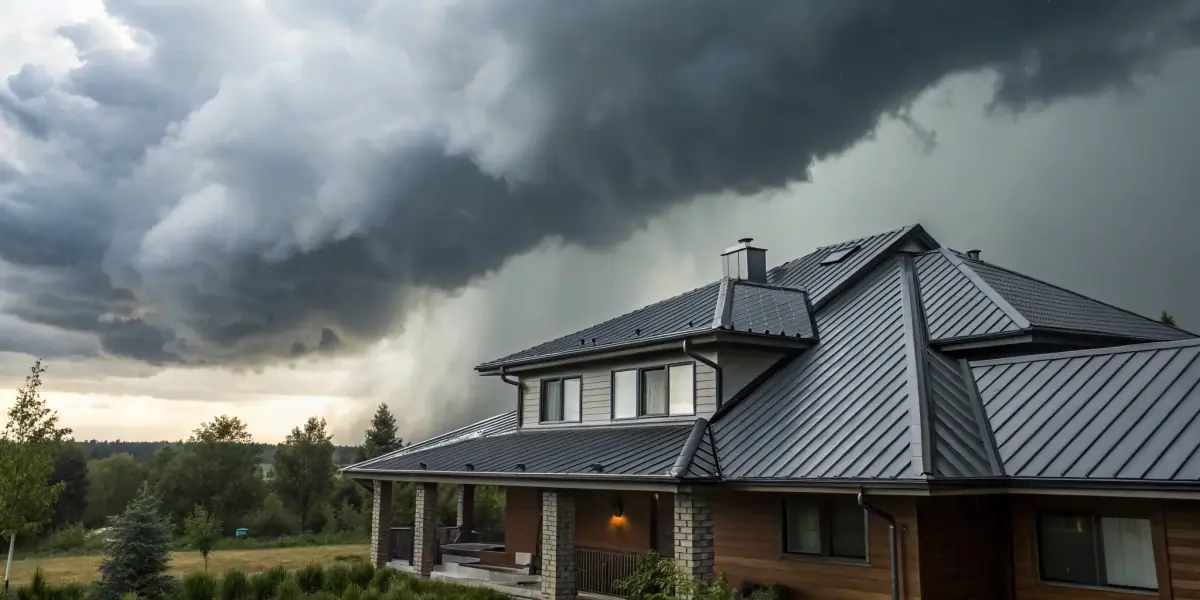
The sound of baseball-sized hail is something no one in our community will soon forget. The November 1, 2025 hail storm in Portland, Texas was a shared experience that impacted thousands of our neighbors, leaving a trail of damaged homes, cars, and businesses. Now, the recovery begins. While the storm was indiscriminate, your response doesn’t have to be. Knowing what to do next is the key to a smooth and successful restoration. In the sections below, we’ll cover the essential steps every property owner should take, from immediate safety precautions to navigating the insurance process and preparing your home for the future.
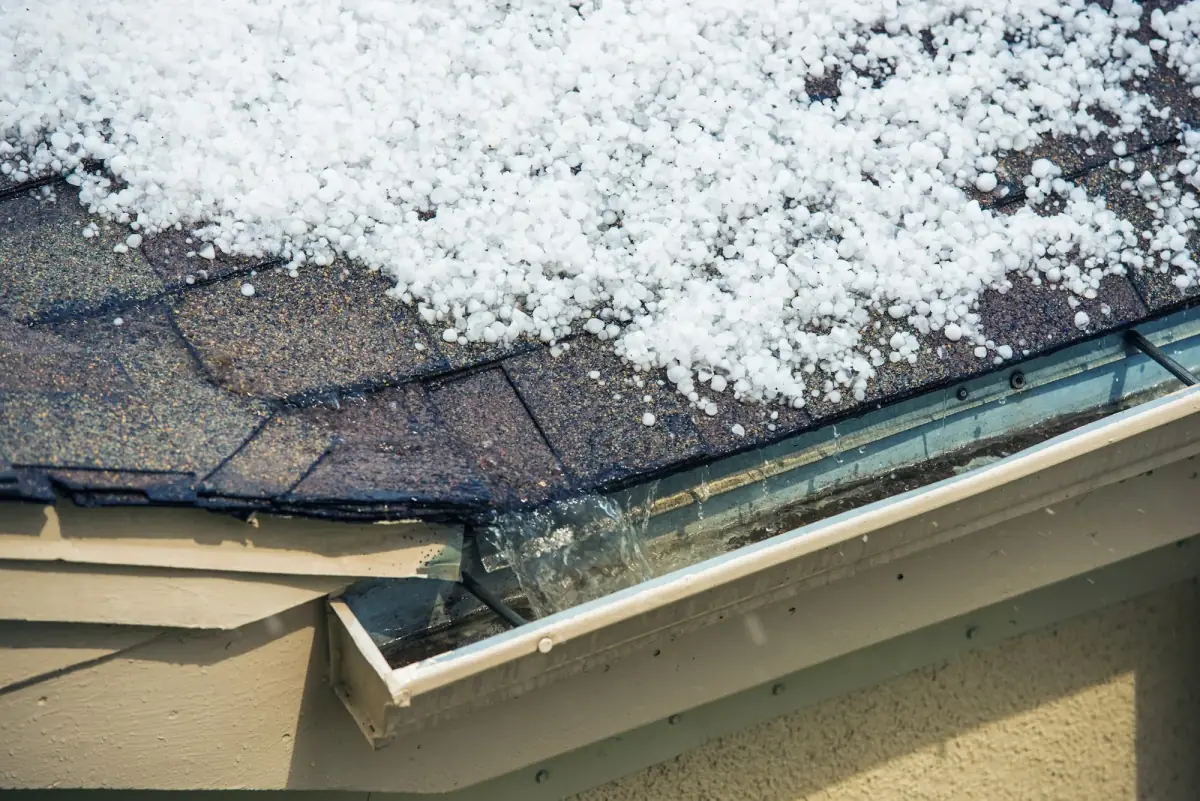
Understanding Portland Hail Storm 2025 is essential for making smart decisions about your home. Here is a practical guide from the experts at RISE Roofing.
If you’re a resident of Portland or the surrounding South Texas area, the evening of November 1, 2025, is one you likely won’t forget. The sudden and intense hailstorm left a significant mark on our community, and many are still picking up the pieces. Understanding the specifics of the storm is the first step in the recovery process. This event wasn’t just another Texas storm; its speed, size, and impact were exceptional, causing widespread damage that requires a careful and professional response. Let’s walk through what happened that evening, from the timeline to the sheer size of the hail that fell.
The storm moved into the region quickly on the evening of Friday, November 1, 2025. Around 8:49 PM CDT, what started as a strong storm system rapidly intensified, unleashing a powerful barrage of hail over Portland and nearby communities. For many residents, there was little time to prepare for the severity of what was to come. The sound alone was alarming, as massive chunks of ice began hammering roofs, windows, and vehicles. The event was concentrated but incredibly forceful, lasting long enough to cause extensive damage across residential neighborhoods and commercial districts before moving on.
This wasn’t your average hailstorm. Reports confirmed that the hail reached up to 2.75 inches in diameter—roughly the size of a baseball. When ice of that size and weight falls from the sky, it can cause serious harm. Standard asphalt shingles can be cracked, dented, or stripped of their protective granules, compromising the integrity of your entire roofing system. The impact can also damage siding, break windows, and leave significant dents in vehicles. This kind of severe weather highlights the importance of durable residential roofing materials designed to withstand the harsh Texas climate and protect your home from the unexpected.
While the storm’s epicenter was over Portland, its effects were felt across the wider South Texas region. The damage was indiscriminate, affecting homes, cars, and local businesses alike. Homeowners emerged to find their roofs battered, siding cracked, and yards littered with debris. For business owners, the storm meant dealing with damaged storefronts and potential structural issues to their commercial roofing systems, creating unexpected operational challenges. As a local contractor serving the community, we’ve seen the aftermath firsthand across our service areas and are focused on helping our neighbors rebuild safely and efficiently.
The storm on November 1, 2025, left a significant mark on Portland and the surrounding South Texas communities. In the days that followed, the full extent of the damage became clear, affecting everything from homes and local businesses to the financial well-being of residents. Understanding the scope of the aftermath is the first step toward recovery. The impact was widespread, leaving many property owners to figure out what to do next as they face the long road of repairs and insurance claims.
The hailstorm that swept through the area was severe, with hailstones ranging from golf ball to baseball size. For homeowners, the damage was immediate, from shattered windows to dented siding and serious harm to their roofs. This kind of impact goes beyond cosmetic issues. Punctured shingles and cracked tiles compromise your roof’s integrity, creating pathways for water to cause leaks, mold, and structural problems. A professional storm damage inspection is crucial to identify all points of failure and prevent small problems from turning into costly headaches.
It wasn’t just homes that took a beating. Cars suffered from dented hoods and smashed windshields, and local businesses faced major setbacks. Commercial properties, with their large, flat roofs, were particularly vulnerable to the intense hail, leading to damage that can disrupt daily operations. When a local business has to close for repairs, the entire community feels the impact. Ensuring these properties are repaired quickly and correctly is essential for getting our local economy back on its feet. Rise Roofing offers specialized commercial roofing services to help businesses recover efficiently.
Beyond the visible destruction, the storm created a heavy financial burden. The path to recovery almost always involves filing an insurance claim, which can be a confusing process. Many residents face unexpected denials, underpaid claims, or frustrating delays from their insurance providers. It’s important to know your rights. For instance, Texas law requires a 60-day written notice before you can sue an insurance company over a weather-related property claim. Using tools like an insurance claim estimator can help you get a clearer picture as you begin this process.
When you hear the tell-tale clatter of hail, your first thought might be about your roof or your car. But before you even think about the potential damage, your top priority has to be your safety and the safety of your family. Here’s a straightforward guide to getting through the storm and handling the immediate aftermath.
The safest place to be during a hailstorm is inside a sturdy building. Get indoors immediately and stay there. Make sure to keep away from windows, glass doors, and skylights, as large hailstones can easily shatter them. If you’re caught driving, don’t try to outrun the storm. Instead, pull over to a safe spot, like under an overpass if possible, and stop. Stay in your vehicle, which offers good protection. For extra safety, try to angle your car so the hail hits the reinforced windshield instead of the side windows. And don’t forget your pets—bring them inside as soon as you know a storm is approaching. You can find more hailstorm safety tips from the National Weather Service.
Once the sound of hail stops, it’s tempting to rush outside and see what happened. But it’s important to wait until you’re sure the storm has completely passed. Keep an eye on local weather alerts and listen for guidance from authorities, as hailstorms can sometimes be followed by flash floods. When you do head out, be extremely cautious. Watch your step for debris like broken glass, fallen branches, and especially downed power lines—always assume they are live. Check on your neighbors if you can, particularly if they are elderly or have mobility challenges. A quick check-in can make a world of difference.
After ensuring everyone is safe, you can begin a preliminary check of your property. The most important rule here is to stay on the ground. A hail-damaged roof can be slippery and structurally compromised, making it incredibly dangerous to walk on. Leave the up-close roof inspection to the professionals. From the ground, you can safely look for obvious signs of trouble. Check for dented gutters and downspouts, cracked or chipped siding, and broken windows. You might even be able to spot significant bruising or missing shingles on your roof from a distance. Don’t forget to look over your car, air conditioning unit, and any other outdoor equipment for dents and dings. When you’re ready, a professional can help with a full storm damage repair assessment.
After a major storm, the path to recovery almost always involves an insurance claim. This process can feel intimidating, especially when you’re already stressed about the state of your property. But you don’t have to go through it alone. By taking a methodical approach, you can confidently manage your claim and ensure you get the full compensation you’re entitled to. It all comes down to being prepared, organized, and proactive.
Think of yourself as the project manager for your home’s recovery. Your first job is to gather clear evidence and communicate effectively with your insurance provider. Remember, your policy is there to protect you, and it’s your right to use it. The key is to build a strong case from the very beginning. This involves meticulous documentation, understanding your policy, and knowing who to have on your team. A reputable roofing contractor is a good place to start. They can document the full scope of the damage and give you a detailed written estimate to compare with the adjuster’s assessment. We’ll guide you through the essential steps, from documenting the damage in detail to working with adjusters and handling any challenges that might come up along the way.
Your phone is your most powerful tool in the immediate aftermath of a storm. Before you clean up or move anything, your first step should be to document everything. Take lots of videos and photos of all the damage. Start with wide shots of your roof, siding, and the entire property, then move in for close-ups. Look for dings on your gutters, dents in shingles, cracked siding, and damage to window screens or frames. A slow video walkthrough where you talk about what you see can be incredibly helpful for your claim. This visual proof is the strongest evidence you have and will be essential for making sure every bit of damage is accounted for.
Once you have your documentation, it’s time to file the claim. Before you call, it’s wise to understand what your insurance policy covers regarding hail and wind. Having this information handy will help you set clear expectations. When you file, an adjuster will be assigned to inspect your property and assess the damage. We highly recommend having a professional roofer’s damage report in hand for this inspection. It can point out damage the adjuster might miss and help make sure the assessment is thorough. And as you move forward, be sure to keep all receipts for any cleanup or repair work you do, like putting up a temporary tarp, so you can submit them for reimbursement.
Unfortunately, the claims process isn’t always smooth. Many people are now dealing with insurance claims, but they might face problems like claims being denied, paid too little, or delayed. If you find yourself in this situation, don’t give up. If a claim is delayed, follow up with your agent consistently. If it’s denied or the settlement seems too low, ask for a detailed written explanation. You can then compare their assessment with an estimate from a trusted contractor for your storm damage repair. Often, providing more detailed documentation or getting a second opinion is enough to get things back on track.
After a major storm, your priority is getting your home back to normal. Unfortunately, this is also a time when “storm-chasing” contractors appear, some of whom are less than reputable. Choosing the right team for your storm damage repair is one of the most important decisions you’ll make in the recovery process. A great contractor will work with your insurance, use quality materials, and guarantee their work, giving you peace of mind. A bad one can leave you with shoddy repairs and a bigger headache than the storm itself. Let’s walk through how to find a trustworthy pro and avoid the common pitfalls.
The first step is learning to recognize the red flags. After a storm, you might see an influx of contractors from out of town. Be wary of anyone who shows up uninvited, uses high-pressure sales tactics, or asks for a large payment upfront. In Texas, it’s illegal for contractors to ask for payment before work begins or to offer to waive your insurance deductible—both are major warning signs of a scam. A reputable, local company will have a physical office, a strong local reputation, and a portfolio of recent projects you can review. Trust your gut; if an offer seems too good to be true, it probably is.
Don’t just go with the first contractor who knocks on your door. Your best defense is to do your homework. Start by getting at least three detailed, written bids from different companies. This allows you to compare not just the price, but the scope of work, materials proposed, and timelines. Check that each contractor carries liability and workers’ compensation insurance, and ask for the certificates! Look them up online, read reviews, and ask for local references you can actually call. A trustworthy contractor will be transparent and happy to provide all of this information. Taking the time to properly vet your options ensures you’re hiring a professional who will stand by their work.
Once you’ve chosen a contractor, the contract is your most important document. Read it carefully before you sign anything, and never sign a contract with blank spaces. Every detail should be in writing: the total cost, payment schedule, specific materials to be used (like brand and color), and a clear start and end date. A standard payment schedule might involve a third upfront, a third midway through, and the final third upon completion. Never make the final payment or sign a completion certificate until you have thoroughly inspected the work and are 100% satisfied. A clear contract protects both you and the contractor, setting clear expectations for a successful project.
After you’ve dealt with the immediate aftermath of a storm, it’s natural to wonder how you can better protect your home for the future. Texas sees more major hail events than any other state, so being proactive is one of the smartest things you can do as a homeowner. Taking a few key steps can give you peace of mind and significantly reduce the risk of damage the next time severe weather rolls through. It’s not about worrying; it’s about being ready. By focusing on a stronger roof, a solid family plan, and consistent upkeep, you can build a more resilient home that’s prepared for whatever the weather brings.
One of the most effective ways to defend your home against hail is by upgrading your roof. Think about installing impact-resistant shingles or a metal roofing system. These materials are specifically engineered to withstand the force of hail, which can save you from costly repairs and the stress of dealing with leaks and structural damage. While the initial investment might be higher than traditional asphalt shingles, the long-term savings and added protection are often well worth it, especially in storm-prone areas like Corpus Christi. A durable roof is your home’s first and best line of defense.
Your home isn’t the only thing that needs a plan—your family does, too. Sit down together and decide what you’ll do when a severe weather alert is issued. This includes identifying the safest room in your house (usually an interior room on the lowest floor with no windows), putting together an emergency kit, and establishing a communication plan in case you get separated. The Federal Emergency Management Agency offers great resources to help you make a plan. Knowing that everyone understands what to do and where to go can reduce anxiety and help keep your loved ones safe when a storm is happening.
Building a storm-ready home is an ongoing process, not a one-time fix. Simple habits can make a huge difference. First, schedule regular roof maintenance. A professional inspection can catch small issues like loose shingles or damaged flashing before a storm turns them into major leaks. Second, stay informed. Pay close attention to local authorities and weather forecasts so you have time to prepare. Knowing when a storm is coming gives you the chance to secure outdoor furniture, park your car in the garage, and get your family ready. These small, consistent actions are key to building resilience against future storms.
My roof doesn’t look that bad from the ground. Can I wait to get it fixed? It’s tempting to put off repairs if the damage isn’t obvious, but even small issues can lead to big problems. Hail can create tiny cracks or bruises in your shingles that you can’t see from the ground. Over time, these weak spots allow water to seep in, which can cause hidden leaks, mold, and damage to your home’s structure. It’s always best to get a professional inspection to catch these issues early before they become much more expensive to fix.
Why is it so important to have my roofer’s report ready for the insurance adjuster’s inspection? Your roofer’s report shows the adjuster what was found by someone who has already inspected your roof. An adjuster might spend only a short time on your roof and could overlook subtle but significant damage. Your contractor knows exactly what to look for and can document every dent, crack, and compromised area with photos. That way the adjuster can see the same damage your contractor documented.
My insurance company’s offer seems too low to cover the repairs. What should I do? Don’t feel pressured to accept the first offer if it doesn’t seem right. Your first step is to ask the insurance company for a detailed breakdown of their estimate so you can see exactly what they are and are not covering. Then, compare it against a detailed, written bid from a reputable contractor. If there are major differences, you can share your contractor’s documentation with your insurer and ask them to review their estimate.
How long does the whole roof replacement and insurance process usually take? The timeline can vary quite a bit depending on the complexity of your claim and how busy contractors are after a major storm. Generally, the insurance process itself can take a few weeks, from filing the claim to receiving the funds. Once the project is approved and scheduled, a typical residential roof replacement can often be completed in just a few days. The key is to stay organized and communicate regularly with both your contractor and your insurance agent to keep things moving forward.
Besides a new roof, what else can I do to prepare my property for the next storm? A strong roof is your best defense, but there are other simple things you can do. Regularly clean your gutters and downspouts so water can flow away from your home’s foundation. It’s also a good idea to trim any large tree branches hanging over your house that could fall and cause damage in high winds. Securing outdoor furniture and bringing potted plants inside before a storm hits can also prevent them from becoming projectiles.
The certified RISE Roofing installation crew brings more than two decades of experience to every project. Contact us for a free estimate on portland hail storm 2025 services.
The Portland hail storm 2025 caused significant damage across the area. If your roof was affected by the Portland hail storm 2025, RISE Roofing offers fast, certified storm damage repair.
Explore our professional roofing services in Corpus Christi and surrounding areas:
🔒 Free, no-obligation quote — Price-locked estimate in 24–48 hrs
Trace your roof on satellite imagery and get a real installed price in under 60 seconds.
Powered by satellite roof measurement technology. No obligation.