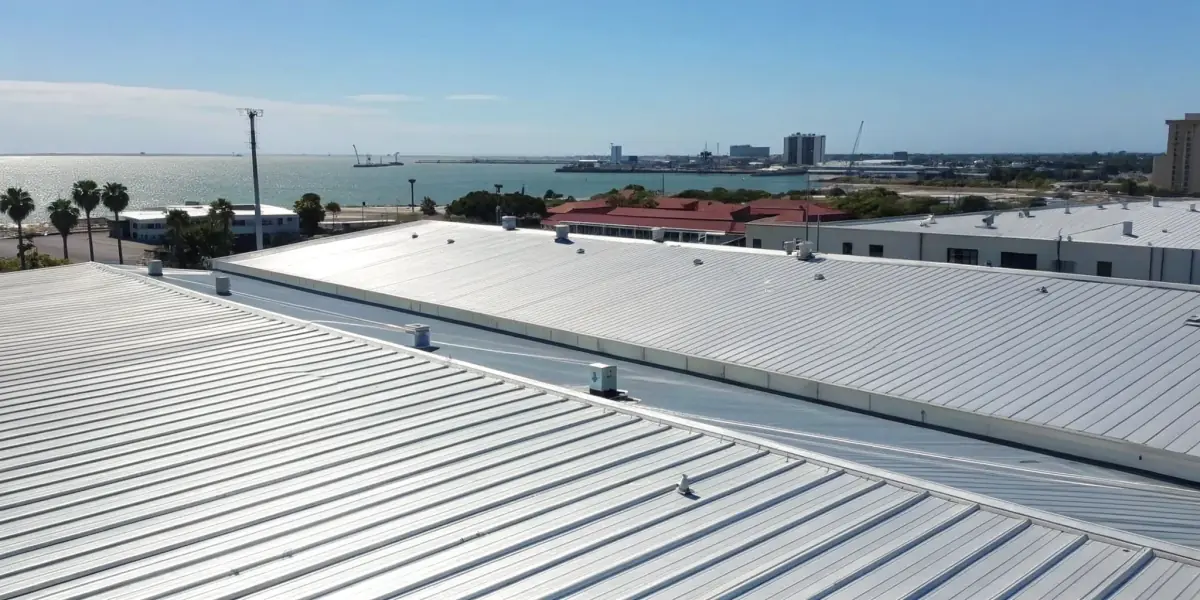
Commercial metal roofing on a building in coastal Corpus Christi.

A Smart Guide to Commercial Roofing in Corpus Christi

For most business owners, the roof is out of sight and out of mind—until a water stain appears on a ceiling tile or a storm rolls through. But waiting for a problem to announce itself can lead to costly downtime and damaged inventory. In our coastal environment, proactive care isn’t just a good idea; it’s an essential business strategy. Understanding what your roof needs to withstand the local climate is the first step toward preventing disaster. This guide is designed to give you the knowledge you need to make informed decisions about your commercial roofing in Corpus Christi, helping you move from a reactive to a proactive mindset.

Key Takeaways

  • Acknowledge the Coastal Climate’s Impact: Your roof is a shield against Corpus Christi’s unique trio of intense sun, corrosive salt air, and hurricane-force winds, and understanding these challenges is the first step to making a smart investment.
  • Vet Both the Materials and the Installer: The success of your roof depends equally on choosing durable, climate-appropriate materials and a licensed, insured local contractor with proven experience handling our coastal conditions.
  • Treat Your Roof Like a Long-Term Asset: Look beyond the initial price by securing a comprehensive warranty, committing to a preventive maintenance plan, and knowing the warning signs that signal it’s time for a professional inspection.

Why is Commercial Roofing in Corpus Christi Different?

A roof in Ohio isn’t built to the same standards as a roof in Corpus Christi, and for good reason. Here on the Gulf Coast, your commercial roof is your building’s first line of defense against a unique and demanding set of environmental challenges. We’re not just talking about the occasional rainstorm; we’re dealing with a powerful combination of intense sun, corrosive salt air, and the ever-present threat of hurricane season. These factors mean that a one-size-fits-all approach to roofing just won’t cut it.

Choosing the right materials and a contractor who understands our local climate isn’t just a good idea—it’s essential for protecting your investment. A commercial roofing system in this area must be specifically designed to withstand these harsh conditions day in and day out. From the type of membrane used to the specific fasteners that hold it all together, every detail matters. Understanding what makes roofing different here is the first step toward ensuring your building stays safe, dry, and secure for years to come.

Facing Local Climate Challenges

The Texas sun is relentless, and its constant UV exposure can cause roofing materials to degrade, crack, and become brittle much faster than in milder climates. When you combine that intense heat with the high humidity of the Gulf Coast, you create a challenging environment where moisture can become trapped, leading to mold, rot, and compromised insulation. This is why material selection and proper installation are so critical. A roof in Corpus Christi needs to be built with materials that reflect heat and resist UV damage, and it must be installed with expert precision to ensure it is properly sealed and ventilated against moisture intrusion.

The Impact of Salt Air on Your Roof

Living by the coast has its perks, but the salty air isn’t one of them for your roof. That gentle sea breeze carries microscopic salt particles that settle on your building and, over time, can wreak havoc on metal components. This corrosive salt air aggressively attacks metal flashing, fasteners, gutters, and even certain types of metal roofing panels, leading to rust and deterioration. This can weaken the entire roofing system and create entry points for water. Choosing a local contractor who understands the specific challenges of our service areas means they’ll know to use corrosion-resistant materials and protective coatings to extend the life of your roof.

Preparing Your Roof for Hurricane Season

Hurricane season is a reality for every property owner in Corpus Christi. Your commercial roof needs to be prepared to handle more than just heavy rain; it must be able to withstand incredibly high winds that can cause uplift, turning roofing materials into dangerous projectiles. A storm-ready roof is about more than just durable materials—it’s about superior engineering and installation. The entire system, from the deck to the membrane, must be securely fastened to withstand extreme wind loads. Proactive inspections and reinforcement are key to avoiding catastrophic failure and the costly storm damage repair that follows a major weather event.

What Are the Best Roofing Materials for Corpus Christi?

Choosing the right material for your commercial roof in Corpus Christi isn’t just about aesthetics—it’s about making a smart investment that can withstand intense sun, hurricane-force winds, and salty air. The best material for your building will depend on your budget, the roof’s slope, and your long-term goals. The right choice can save you money on energy bills and prevent costly repairs down the road. We specialize in a variety of commercial roofing solutions designed to protect your property from the unique challenges of the Gulf Coast climate. Let’s walk through some of the most effective options for local businesses.

Exploring TPO Roofing Systems

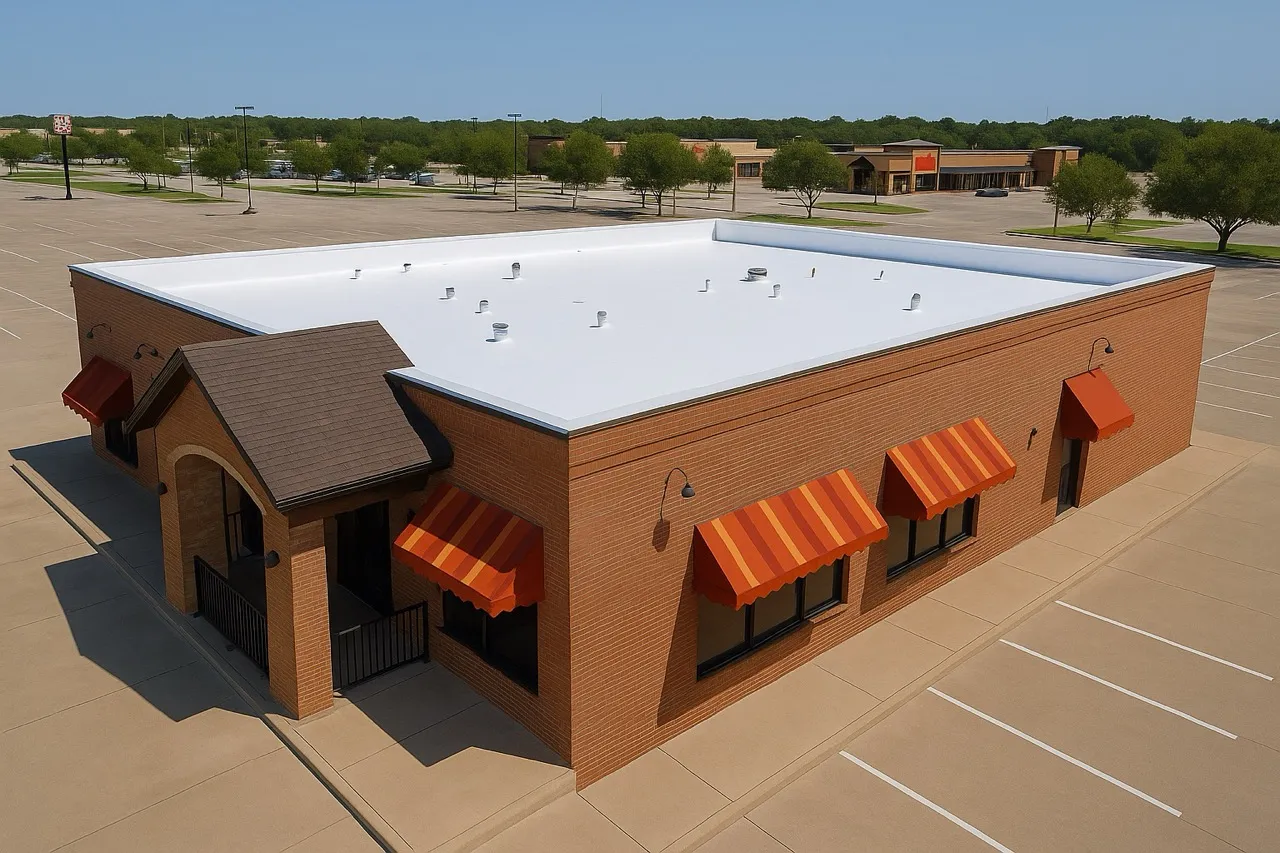
If energy efficiency is a top priority, TPO (Thermoplastic Olefin) roofing is an excellent choice. This single-ply membrane is typically white, which helps reflect the intense Texas sun instead of absorbing it. This reflectivity can significantly lower your building’s cooling costs during the hot summer months. TPO roofs are also resistant to punctures, tears, and chemical exposure. With a typical lifespan of 20 to 25 years, they offer a great balance of performance and value, making them one of the most popular options for flat or low-slope commercial roofs in the area.

Weighing Your Metal Roofing Options

For ultimate durability and longevity, it’s hard to beat metal. A commercial metal roof can last anywhere from 40 to 60 years, making it a fantastic long-term investment. Metal stands up exceptionally well to high winds and hail, which is a critical feature for any building in a hurricane-prone region like Corpus Christi. Like TPO, metal roofs are also highly energy-efficient, reflecting solar heat to keep your building cooler. While the upfront cost can be higher than other materials, the minimal maintenance and long lifespan often make it the most cost-effective choice over time.

Understanding EPDM Rubber Roofing

EPDM (Ethylene Propylene Diene Monomer) is a synthetic rubber roofing membrane that has been a reliable choice for flat roofs for decades. It’s known for its outstanding durability and resistance to weathering, UV radiation, and extreme temperatures. An EPDM roof can last between 25 and 30 years with proper installation and maintenance. Its flexibility allows it to handle building shifts and temperature fluctuations without cracking, and it provides a strong, waterproof seal to protect your property from heavy rains. It’s a proven material that offers dependable protection for commercial buildings.

A Look at Modified Bitumen and Built-Up Roofs

Modified Bitumen and Built-Up Roofing (BUR) are two classic, multi-layered systems ideal for flat or low-slope roofs. Modified Bitumen, lasting 15 to 25 years, consists of asphalt reinforced with fiberglass or polyester, offering excellent waterproofing and tear resistance. BUR systems, which can last 20 to 30 years, are made of alternating layers of bitumen and reinforcing fabrics. Both are known for their toughness and ability to withstand foot traffic. These time-tested systems provide robust, redundant layers of protection, which is exactly what you need to keep your building dry. You can see examples of our high-quality installations throughout the area.

How to Choose a Commercial Roofer in Corpus Christi

Selecting the right commercial roofer in Corpus Christi is one of the most important decisions you’ll make for your property. Your roof is the first line of defense against our unique coastal climate, from the intense summer sun to the threat of hurricane-force winds. For a business owner, a failing roof isn’t just an inconvenience—it can mean damaged inventory, unsafe conditions for employees and customers, and costly operational downtime. The right partner won’t just install a roof; they’ll provide a durable, long-lasting solution tailored to your building’s specific needs and designed to protect your assets. This means looking beyond a simple price quote and evaluating a contractor’s qualifications, local experience, and professional standing. Taking the time to vet your options carefully ensures your investment is protected and your business can continue running smoothly, no matter what the weather brings. A thorough evaluation now prevents major headaches and expenses down the road.

Checking for Essential Licenses and Certifications

Before you sign any contract, make sure the roofer has the right credentials. Proper licensing proves they meet state requirements, while certifications from material manufacturers show they have specialized training to install specific roofing systems correctly—which is often crucial for the validity of your warranty. Look for affiliations with professional organizations like the National Roofing Contractors Association (NRCA), as this indicates a commitment to industry standards and best practices. A reputable contractor will be happy to provide proof of their qualifications. Seeing their portfolio of recent projects can also give you confidence in their expertise and the quality of their work.

Finding a Contractor with Local Climate Experience

A roofer from out of town simply won’t understand the unique challenges of the Corpus Christi climate. You need a local contractor who has firsthand experience dealing with the constant humidity, corrosive salt air, and intense UV exposure that our roofs endure. A local expert knows which materials perform best against these elements and understands the specific building codes and hurricane-readiness standards for our area. They can recommend solutions designed to last in our coastal environment. Choosing a roofer who is established in our service areas means you’re hiring someone who is invested in the community and understands what your roof is up against.

Verifying Insurance and Bonding

This step is non-negotiable for protecting your business. A legitimate commercial roofer must carry both general liability insurance and worker’s compensation. General liability protects your property from any damage that might occur during the project, while worker’s compensation covers their employees if they are injured on your job site, protecting you from potential lawsuits. Ask to see a current certificate of insurance and verify that the coverage is adequate for the scope of your project. Bonding offers an additional layer of financial protection, ensuring the job will be completed as promised. Any hesitation to provide these documents is a major red flag.

Spotting Red Flags When Hiring

Trust your instincts during the hiring process. Be wary of any contractor who uses high-pressure sales tactics or pushes you to sign a contract on the spot. Another red flag is a roofer who provides a vague quote without a detailed breakdown of costs for materials and labor. Be cautious if a contractor claims to have found extensive damage that requires a full replacement, especially if other roofers suggest a simple repair is sufficient. Finally, avoid anyone who asks for a large cash deposit upfront. A professional roofer will have clear payment schedules and transparent pricing, often providing tools like a roof cost calculator to help you plan.

What to Ask Your Commercial Roofer

Choosing a commercial roofer is a major decision for your business. You’re not just buying a service; you’re investing in the protection of your property, inventory, and daily operations. The right contractor will be a partner who understands the unique demands of our coastal climate and can deliver a roof that lasts. To find that partner, you need to ask the right questions. Think of this as an interview for one of the most important jobs for your building’s health. A great roofer will welcome your questions and provide clear, confident answers.

This conversation helps you gauge their expertise, professionalism, and whether they’re the right fit for your project. It’s your chance to learn about their process, their team, and the materials they recommend for a building like yours. A contractor who is transparent and thorough in their answers is likely to carry that same level of detail into their work. Before you sign any contract, make sure you’ve covered these key areas to ensure you’re making a well-informed choice that will protect your investment for years to come.

Questions About Their Experience and Reputation

First things first, you want to know who you’re working with. A roofer’s history can tell you a lot about their reliability and the quality of their work. Start by asking how long they’ve been serving the Corpus Christi area and if they specialize in commercial roofing. A company with deep local roots will have firsthand experience with the specific challenges our weather presents. Ask to see a portfolio of their work or a list of their recent projects to get a feel for their craftsmanship. Don’t just take their word for it—check online reviews and ask for references from past commercial clients. A reputable company with a solid track record will be proud to share their history of success.

Inquiring About Warranties and Maintenance

A new roof is a significant expense, and a good warranty is your safety net. Be sure to ask for specifics on the warranties they offer. You’ll typically find two types: a manufacturer’s warranty that covers the materials themselves and a workmanship warranty from the contractor that covers the installation. Ask what each one includes, how long it lasts, and what the process is for filing a claim. It’s also smart to ask about ongoing maintenance plans. Regular inspections and upkeep can dramatically extend the life of your roof, especially in a coastal environment. A proactive approach to maintenance can help you catch small issues before they become costly problems.

Setting Expectations for Timelines and Communication

Clear and consistent communication is the foundation of a smooth roofing project. Before work begins, ask for a detailed project timeline, including the estimated start and completion dates. Find out who your main point of contact will be and how they plan to keep you updated on progress. Will you get daily check-ins, weekly summaries, or calls as needed? It’s also important to understand how they’ll handle unexpected issues, like weather delays or the discovery of underlying structural damage. An honest and professional roofer will be transparent from the start, answer your questions directly, and ensure you’re never left wondering what’s happening on your property.

Clarifying Payment and Contract Details

Finally, let’s talk money. While you can use a roof cost calculator to get a general idea, you’ll need a detailed, itemized quote from any potential contractor. This document should break down the costs for materials, labor, permits, and any other expenses. Ask about their payment schedule—how much is due upfront, and when are subsequent payments expected? Never agree to work without a comprehensive written contract that outlines every detail you’ve discussed, from the specific materials being used to the project timeline and warranty information. This contract protects both you and the contractor, ensuring everyone is on the same page before the first shingle is laid.

What Determines Your Commercial Roofing Cost?

When you’re planning a new roof for your commercial property, the final price tag is shaped by several key factors. It’s not just about the square footage; the type of materials, the complexity of your roof’s design, and even local regulations all play a significant role. Understanding these elements will help you make a more informed decision and see your new roof as a long-term investment in your property’s value and safety. Let’s break down what goes into the cost of a commercial roofing project.

How Material Choice Affects Your Price

Commercial roofs require materials that are exceptionally durable and long-lasting to protect your investment. Options like TPO, EPDM, PVC, and metal are built to withstand the elements far better than typical residential materials. While these high-performance materials often come with a higher initial cost, they provide superior protection and longevity that your business can depend on. Newer, eco-friendly materials might also be an option. Though they can be more expensive upfront, their energy-efficient properties can lead to significant savings on your utility bills over time, making them a smart choice for the long haul.

Factoring in Roof Size and Complexity

It’s no surprise that larger roofs require more materials and labor, but complexity is just as important. Many commercial roofs aren’t simple flat surfaces; they often have multiple layers, including insulation and vapor barriers. Plus, features like HVAC units, vents, pipes, and skylights create interruptions in the roof plane that require detailed, specialized work to ensure a watertight seal. Each of these elements adds to the project’s timeline and overall cost. You can see examples of the varied projects we handle in our portfolio of recent projects.

Understanding Labor Costs and Permit Fees

Installing a commercial roof is a job for highly skilled professionals. The labor costs reflect the specialized training and expertise needed to work with advanced materials and adhere to strict safety standards, like those set by OSHA. This ensures the job is done right and everyone stays safe. Beyond labor, every commercial roofing project must comply with local building codes. This involves securing permits and passing inspections to ensure the work is done correctly and safely. These administrative steps, while necessary for compliance and your protection, also factor into the final cost of your project.

Balancing Upfront Investment with Long-Term Value

It can be tempting to focus solely on the initial price, but a high-quality commercial roof is a long-term investment in your property. Choosing durable materials and expert installation may cost more at first, but it saves you money down the road. A well-built roof is more energy-efficient, requires fewer repairs, and offers better protection for your building and everything inside it. This approach protects your assets and provides peace of mind for years to come. To get a better idea of what to expect for your specific property, you can use our roof cost calculator for a preliminary estimate.

What to Look for in a Roofing Warranty and Maintenance Plan

Your commercial roof is a major investment, and just like any other significant asset, it needs protection. A solid warranty and a proactive maintenance plan are your two best tools for safeguarding that investment, especially in a climate like Corpus Christi’s. Think of them as your roof’s insurance policy and its regular health check-up. A good warranty gives you peace of mind that you’re covered if materials fail, while a maintenance plan helps you catch small issues before they become costly disasters. Together, they ensure your roof performs as it should for decades, protecting your building, your inventory, and your business operations from the elements. Understanding the details of what you’re getting is key to avoiding surprises down the road.

Understanding Manufacturer Warranties

When you get a new roof, it typically comes with a manufacturer’s warranty. It’s easy to file this away and assume you’re fully covered, but it’s important to know what this warranty actually protects. Most manufacturer warranties cover defects in the roofing materials themselves. If a shingle is faulty or a membrane fails due to a manufacturing error, this is where your coverage kicks in. However, they almost never cover issues that arise from improper installation. Knowing this distinction is critical, as it helps you understand your roof warranty and see why a contractor’s guarantee is just as important.

Reviewing Contractor Workmanship Guarantees

This is the other half of the warranty equation. A workmanship guarantee is your roofer’s promise that they installed everything correctly and according to the manufacturer’s specifications. This is the warranty that protects you from leaks, blow-offs, or other failures caused by installation mistakes. A reputable contractor will always stand behind their work with a clear, comprehensive workmanship guarantee. When evaluating roofers, ask to see their guarantee in writing. It’s a direct reflection of their confidence in their team’s skill and a crucial piece of protection for your commercial roofing investment. Don’t settle for a company that doesn’t offer a strong labor warranty.

The Value of Preventive Maintenance Programs

A great warranty is only effective if you hold up your end of the bargain. Many manufacturers require proof of regular inspections and maintenance to keep their warranties valid. This is where a preventive maintenance program comes in. These plans are designed to keep your roof in top condition through scheduled inspections, debris removal, and minor repairs. A maintenance plan isn’t just about checking a box for your warranty; it’s one of the smartest ways to extend the life of your roof. It allows a professional to spot and fix potential weak points, like clogged drains or cracked seals, before they lead to major leaks and expensive damage.

Knowing Your Options for Emergency Repairs

Even with a great roof and a solid maintenance plan, emergencies can happen—especially with Corpus Christi’s unpredictable weather. When a storm hits or you suddenly discover a leak, you need to know what to do. Your warranty and maintenance agreement should outline the proper procedures for handling emergency repairs. This ensures you can act fast without accidentally voiding your coverage. Having a trusted local roofer on call who serves the Corpus Christi area means you have a partner ready to respond quickly, assess the damage, and perform the necessary repairs to protect your property.

How Corpus Christi’s Climate Impacts Your Roof

A roof in Corpus Christi does more than just keep the rain out—it’s your building’s first line of defense against a unique and demanding coastal environment. The combination of intense sun, hurricane-force winds, and salty, humid air creates a perfect storm of challenges for any commercial roofing system. Understanding these specific local factors is the first step in choosing a roof that will protect your investment for years to come. From the materials you select to the installation details, every decision should be made with our coastal climate in mind.

The Effects of High Heat and UV Exposure

The relentless Texas sun is a major factor for roofs in Corpus Christi. Day after day, your roof is exposed to intense heat and ultraviolet (UV) radiation, which can cause materials to break down prematurely. This constant exposure can lead to thermal shock, where the roofing material rapidly expands and contracts, causing cracks, blisters, and weakened seams. Over time, this degradation makes your roof brittle and vulnerable to leaks. Choosing the right commercial roofing materials, especially those with reflective properties, can help deflect some of that solar energy, keeping your building cooler and extending the life of your roof. Regular inspections are key to catching sun damage early.

Risks from Hurricanes and Storms

Living on the coast means preparing for hurricane season is a non-negotiable part of property ownership. A commercial roof in Corpus Christi must be built to withstand severe weather, including winds that can easily exceed 100 mph. The primary threat during a storm is wind uplift, a powerful force that can peel back or even rip off entire sections of a roof. Beyond the wind, there’s the danger of flying debris and torrential, driving rain that can exploit any small weakness. A properly installed, storm-rated roofing system is essential for protecting your building, its contents, and your tenants. You can see examples of our durable installations in our recent projects gallery.

Dealing with Humidity and Moisture

Even on a calm, sunny day, the Corpus Christi climate is working against your roof. The high humidity and salty air create a constantly moist, corrosive environment. This moisture can encourage the growth of algae, mold, and mildew, which not only looks bad but can also trap water and accelerate the deterioration of roofing materials. The salt in the air is particularly tough on metal components, causing rust and corrosion on everything from fasteners and flashing to HVAC units. This is why working with a local contractor is so important. We understand the specific challenges of our service areas and can recommend materials and installation techniques designed to resist the coastal climate.

When to Call a Commercial Roofer

Knowing when to call a professional for your commercial roof isn’t always about waiting for a major leak to appear. Often, the earliest signs of trouble are subtle and can be easy to overlook during a busy workday. Being proactive and catching these issues early can save you from costly repairs, protect your inventory, and prevent disruptions to your business. Your roof is one of your building’s most critical assets, and regular attention is key to its longevity, especially in a climate like Corpus Christi’s. If you notice any of the following signs, it’s a clear signal that it’s time to schedule a professional inspection.

Warning Signs Inside Your Building

The first clues of a roofing problem often show up inside your building. Keep an eye out for water stains on ceiling tiles or walls, which are the most obvious indicators of a leak. You might also notice musty odors or visible mold growth, suggesting moisture has been present for a while. Puddles on the floor after a storm are a definite red flag. Less obvious signs can include a sudden spike in your energy bills, which could mean your roof’s insulation has been compromised by water. Don’t ignore these warnings; they are your building’s way of telling you it needs a commercial roofing expert to take a look.

What to Look for on the Outside

While it’s best to have a professional perform an on-roof inspection, there are things you can spot from the ground. Look for visible damage like cracks, blisters, or bubbles in the roof membrane. Check for pooling water 48 hours after it rains, as proper drainage is essential. Damaged flashing around vents, pipes, and HVAC units is another common source of leaks. In Corpus Christi, the combination of intense sun, salty air, and seasonal storms puts constant stress on roofing materials. A quick visual check after a major weather event can help you spot problems before they escalate. Seeing how a professional handles these local challenges in their recent projects can give you confidence in their expertise.

Handling Emergencies That Need Immediate Action

Some situations require immediate attention. If a severe storm has caused obvious damage, like tearing off sections of your roof or causing a major, active leak, you have an emergency on your hands. This kind of damage can quickly lead to significant structural issues and inventory loss if not addressed right away. A fallen tree branch or other debris that has punctured your roof also calls for an urgent response. When this happens, you need a reliable roofer who serves your area and can act fast to secure your property and prevent further damage. Having a trusted Corpus Christi contractor on standby is a smart move for any business owner.

Related Articles

Frequently Asked Questions

How often should I have my commercial roof inspected, considering the Corpus Christi climate? Given our coastal environment, a proactive approach is always best. We recommend having your commercial roof professionally inspected at least twice a year—once in the spring before the intense summer heat and hurricane season, and again in the fall to check for any damage that may have occurred. A professional inspection after any major storm is also a smart move to catch small issues before they become serious problems.

Is a white roof like TPO really that much better for saving on energy costs here? Yes, it can make a significant difference. Materials like white TPO are highly reflective, meaning they bounce the sun’s intense UV rays away from your building instead of absorbing them. This process can keep the roof surface and the building underneath much cooler, reducing the strain on your HVAC system and leading to noticeable savings on your cooling bills during our long, hot summers.

My roof has a small leak. Can it be repaired, or will I need a full replacement? Whether you need a simple repair or a full replacement depends on the overall condition and age of your roof. A single, isolated leak on a relatively new roof can often be repaired effectively. However, if the leak is a symptom of widespread material failure, brittle surfaces, or an aging system nearing the end of its lifespan, a replacement is often the more cost-effective solution in the long run to prevent recurring issues.

What’s the biggest mistake a business owner can make when hiring a roofer in this area? The most common mistake is choosing a contractor based solely on the lowest price without considering their local experience. An out-of-town roofer might offer a cheaper bid, but they often lack the specific knowledge of our coastal climate—from the corrosive salt air to hurricane-readiness building codes. This can lead to an improper installation or material choice that fails prematurely, costing you far more in the long run.

How does a roofer protect my business operations and property during the installation process? A professional commercial roofer should have a clear plan to minimize disruption to your business. This includes establishing a secure work zone, protecting landscaping and building exteriors from debris, and coordinating with you on daily schedules and noise levels. They should also maintain clear communication, providing regular updates so you always know what to expect and can keep your employees and customers safe and informed.

About the Author

  •  


    I’m Anthony Gallo. At RISE Roofing, I combine a background in technology, operations, engineering, and customer service to deliver roofs that perform—and a customer experience that’s predictable and transparent. On this blog, I translate field notes and building science into checklists, cost‑benefit breakdowns, and maintenance plans you can actually use. You’ll see me write often about metal roofing (standing seam, metal tile, metal shingles, metal shake), balanced ventilation, storm prep and documentation, and ways to extend roof life through smart design and upkeep. My creativity is powered by dedication and focus for every one of our customers. -- Raising Standards, One Roof at a Time.

Roofing. Integrity. Service. Expertise

RISE Roofing LLC, is a registered Corpus Christi Roofing Contractor

By submitting, you authorize RISE Roofing LLC to reach out via text for explicit information about project needs. We will never share your personal information with 3rd parties for marketing purposes or spam you. You can opt out at any time. Message/data rates apply. Messaging frequency varies based on project needs. Consent is not a condition of purchase. Terms & Conditions | Privacy Policy

RISE Roofing sales manager holding tablet offering roofing consultation

Speak with a Roofing Professional

Request a Callback

We understand your busy schedule, so we make getting a new roof a stress free process.

Over our 10 minute call — we’ll discuss any specific roofing requests, style, and color options. After the call we’ll send you all the information we discussed to assist with any decisions. 

In 24-48 hours, we’ll hand deliver or email a free no-obligation price-locked quote.

Click the button below to schedule a call and let’s get started! 

Raising Standards, One Roof at a Time

RISE Roofing LLC is a Licensed Registered Texas Roofing Contractor, providing roofing services in Houston, Greater Houston, & Corpus Christi, Texas.