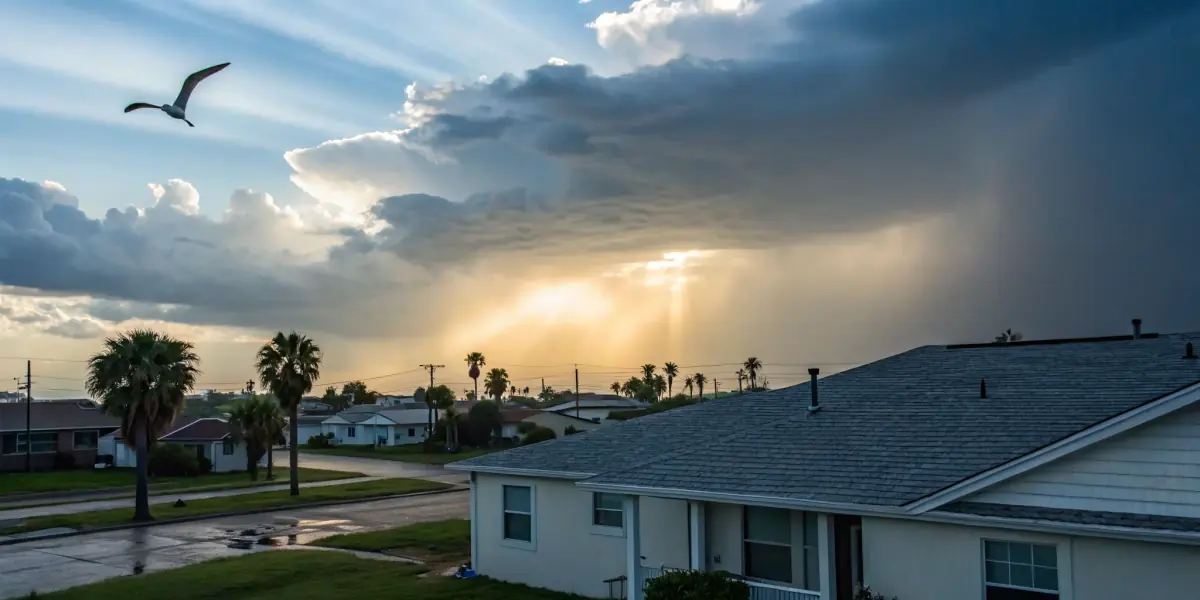
The aftermath of the 11/1/2025 hail storm in Port Aransas, Texas, serves as a powerful reminder of our coastal weather’s intensity. While assessing the immediate damage is the first priority, this event also presents an opportunity to think about the future. Rebuilding isn’t just about repairing what was broken; it’s about building back stronger. Choosing the right materials and contractor can make all the difference when the next storm rolls in. This article will not only guide you through the immediate steps of recovery but will also explore the most resilient roofing options available, helping you invest in long-term protection and peace of mind for your property.
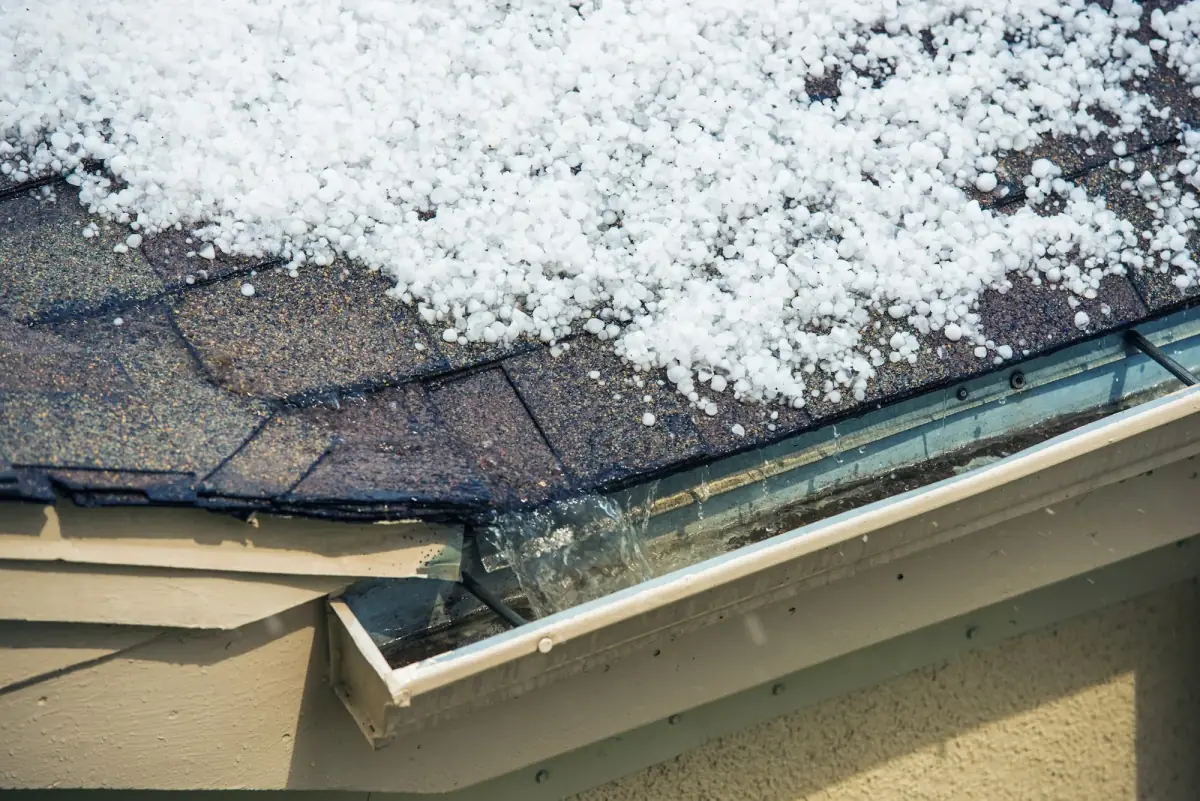
Understanding Hail Storm Port Aransas Texas is essential for making smart decisions about your home. Here is a practical guide from the experts at RISE Roofing.
If you were in the Port Aransas area on the night of November 1, 2025, you know it was anything but ordinary. A sudden and violent storm swept through, leaving a trail of significant damage in its wake. Understanding the specifics of what happened can help you assess your own property and take the right next steps. The storm’s intensity, combined with the unusually large hail, created a serious situation for many homeowners and property managers who are now facing unexpected and costly repairs.
This wasn’t just a typical Texas thunderstorm; it was a severe weather event that caught many by surprise. The size of the hail was particularly rare for South Texas, leading to widespread reports of damaged roofs, shattered windows, and dented vehicles. For residents in the hardest-hit areas, the storm was a destructive force that will require a careful and thorough recovery process. In the following sections, we’ll break down exactly what unfolded that evening, from the storm’s timeline to the specific neighborhoods that saw the worst of it. This information will give you the context you need to move forward with inspections and insurance claims, ensuring you have a clear picture of the event.
The evening started like any other, but things changed quickly. Around 9:32 PM, a severe hailstorm descended on the coast, concentrating its force near Port Aransas. The storm moved rapidly, with Mustang Island and the southern parts of the city bearing the brunt of its power. For those in its path, there was little time to prepare as the sound of massive hailstones began to echo through neighborhoods. The suddenness of the event is a stark reminder of how quickly coastal weather can turn, making it crucial to have a plan for storm damage repair before you need it.
What made this storm particularly destructive was the size of the hail. Reports confirmed that many hailstones were as large as baseballs, with some measuring up to three inches in diameter. Hail of this size is heavy and falls with incredible force, capable of causing serious structural damage. It can easily crack windows, dent cars, and puncture roofing materials, compromising the integrity of your home’s most important protective layer. This kind of impact is exactly what high-quality residential roofing systems are designed to withstand, but even the toughest materials can be damaged by such an extreme event.
While the entire area felt the storm’s effects, some neighborhoods experienced more concentrated damage. Communities like the Lost Colony, Island Park Estates, and Cinnamon Shore South reported extensive issues. The storm also caused significant problems at the Gulf Waters Beach Front RV Resort and the Mustang Island State Park campground, where RV skylights were shattered and vehicles were heavily damaged. If you live in one of these service areas or a nearby community, it’s a good idea to have your property professionally inspected, even if the damage isn’t immediately obvious from the ground.
The hailstorm that swept through the area on November 1st was more than just a passing shower; it was a significant weather event that left a trail of destruction. The sheer size of the hail and the force of the storm created a level of damage that many residents have never seen before. From shattered windows to dented cars and, most critically, compromised roofs, the impact was felt across the community. Understanding the extent of this damage is the first step in figuring out how to move forward with repairs and recovery.
Mustang Island bore the brunt of this powerful storm. What made this event so unusual for South Texas was the size of the hail, with some reports describing pieces as large as baseballs. This kind of hail can cause catastrophic damage in a matter of minutes. The storm was so intense that it created a “blizzard” of ice and made houses vibrate. While the financial toll on buildings and vehicles is expected to run into the millions, it’s a relief that no injuries were reported. This silver lining is important to remember as our community begins the process of rebuilding and repairing the widespread property damage.
The aftermath of the storm revealed extensive damage to all kinds of property. Cars were left with dents and broken windows, and homes and businesses saw similar destruction. For property owners, the most significant concern is often the roof. This storm caused severe roof damage, from cracked shingles to major punctures. At Cinnamon Shore South alone, the cost to replace roofs on approximately 350 homes is estimated to be at least $7 million. This figure highlights the immense scale of the damage and the urgent need for professional inspections to assess the integrity of residential and commercial roofing systems.
It wasn’t just homes and traditional vehicles that suffered. The storm took a heavy toll on RVs and other recreational vehicles, which are a common sight in the Port Aransas area. Many owners reported broken skylights and significant exterior damage from the relentless hail. The storm’s power was felt beyond the island, with damage also reported at a car dealership and on Industrial Street in Taft. This shows just how widespread the storm’s path was. If you own an RV or other property that was exposed, a thorough inspection is crucial to identify all points of damage, both obvious and hidden.
If you’re looking at your property and thinking, “I’ve never seen anything like this,” you’re not alone. While South Texas is certainly used to its share of wild weather, the hail storm that hit Port Aransas was anything but ordinary. Understanding just how unusual this event was can help put the damage you’re seeing into perspective and clarify the next steps for recovery. This wasn’t just another hailstorm; it was a significant weather event that stands out even in a region known for powerful storms.
The storm that rolled through the Coastal Bend was fueled by supercell thunderstorms, which are actually quite rare for our area. Supercells need a specific type of wind shear to form, something our local climate doesn’t typically produce. This unusual meteorological setup is what generated such destructive power. In fact, reports suggest this may have been the largest hail event on record for Nueces County. When you see the extent of the damage across the community, it’s because your home stood up to a historic storm. Seeing how we’ve helped homeowners recover from major weather events can give you an idea of what’s possible for your own property. You can view some of our recent projects to see the results.
In meteorology, hail is officially considered “severe” when it reaches the size of a quarter. That alone can cause significant damage. The baseball-sized hail that fell during this storm is in another league entirely and is exceptionally rare for the Coastal Bend. To give you some perspective, the largest hailstone ever recorded in our area was a 5-inch stone that fell back in 1968. This recent storm produced hail that nears that historic level, which explains why it was able to cause such widespread destruction to roofs, windows, and vehicles. Understanding the force your home endured is the first step in choosing the right path for residential roofing repairs and future protection.
After a storm, dealing with insurance can feel like a second disaster. The process can be confusing, but a little preparation goes a long way. Understanding the steps, documenting everything, and knowing what to avoid can make a huge difference in getting your home restored and your claim approved without unnecessary headaches. Let’s walk through what you need to know.
If your property is covered by the Texas Windstorm Insurance Association (TWIA), it’s helpful to set realistic expectations. After this storm, TWIA received over 1,300 claims from the Corpus Christi area alone. With such a high volume, delays are almost inevitable. The key is to be patient but persistent. File your claim as soon as possible to get in the queue. Keep detailed records of every phone call and email, including the date, time, and who you spoke with. Follow up regularly but politely to check on the status of your claim. Understanding the high demand on adjusters can help you stay calm and focused as you work toward a resolution.
Before you clean up or move anything, your first job is to become a detective. Thoroughly document every bit of damage with photos and videos. Take wide shots of your entire roof and close-ups of dents in shingles, cracked siding, and broken windows. As part of the claims process, you’ll want to get professional repair estimates to establish a fair value for the damage. This documentation is your most powerful tool. It helps prevent an insurance dispute by showing the adjuster the full extent of the damage from the very beginning. Having clear proof makes it much harder for items to be overlooked or undervalued.
Working through an insurance claim can be tricky, and a few common missteps can unfortunately jeopardize your outcome. One of the biggest is waiting too long to file; most policies have a time limit, so don’t delay. Another is making permanent repairs before your adjuster has inspected the damage. While you should make temporary fixes to prevent further issues (like putting a tarp over a hole), hold off on major work. Finally, be sure you understand your policy and what it covers. Knowing your deductible and coverage limits ahead of time will help you manage the process and your expectations. You can also use an insurance claim estimator to get a clearer picture of potential costs.
After a major storm, figuring out if your roof is damaged can feel overwhelming. While some hail damage is obvious, much of it is subtle and easy to miss from the ground. Knowing what to look for—both outside and inside your home—is the first step toward securing your property and starting the recovery process. Here’s a straightforward guide to help you spot the tell-tale signs of hail damage.
Start by safely examining your shingles from the ground, if possible. On asphalt shingles, hail hits can look like dark bruises or dents where the protective granules have been knocked away. These spots might feel soft or spongy to the touch, indicating the shingle’s integrity is compromised. You should also check your gutters and downspouts for an accumulation of these granules, which look like coarse black sand. While some granule loss is normal over time, a large amount after a storm is a clear red flag. Losing these granules exposes the underlying asphalt to UV rays, which drastically shortens your roof’s lifespan. Our Shingle Assistant can help you identify your shingle type to better understand what to look for.
Hail damage isn’t just an exterior problem. Once a shingle is cracked or bruised, water can find its way into your home. The most obvious signs are water stains on your ceilings or walls. These often look like yellowish or brownish circles that grow over time. It’s a good idea to grab a flashlight and take a look in your attic, too. Check the underside of the roof decking for damp spots, dark streaks, or active drips, especially after it rains. Even a small, slow leak can lead to serious issues like wood rot, damaged insulation, and mold growth, so catching it early is key to preventing more extensive storm damage repairs.
While you can spot some signs yourself, nothing replaces a professional inspection. Getting on a roof is dangerous, and a trained expert knows exactly where and how to look for damage that’s invisible to the untrained eye. More importantly, thorough documentation is critical for your insurance claim. One of the biggest mistakes homeowners make is not documenting the damage correctly, which can unfortunately lead to delays or even denials. A professional roofer provides a detailed assessment and the evidence you need to support your case. Filing a claim can be stressful, but having an expert report simplifies the process and gives you a clear path forward. Our Insurance Claim Estimator can also help you get a sense of what to expect.
After a storm as intense as the one that hit Port Aransas, it’s natural to wonder if there’s a better way to protect your home. While you can’t control the weather, you can choose a roofing material designed to stand up to it. Investing in a stronger roof isn’t just about repairs; it’s about peace of mind for the next storm. The good news is that modern roofing technology offers some incredibly resilient options that are perfect for the Texas coast.
From advanced shingles to robust metal systems, the right material can make all the difference between minor issues and catastrophic damage. These materials are specifically engineered and tested to resist the impact of large hail, saving you from the stress and expense of constant repairs. Let’s look at a few of the top contenders that offer the best defense against severe weather.
You may have heard the term “Class 4 shingles” thrown around, but what does it actually mean? It’s the highest possible rating for impact resistance. To earn this classification, shingles undergo rigorous testing where steel balls are dropped from significant heights to simulate the force of large hail. Shingles that pass this test without cracking or breaking are certified as Class 4. Choosing these for your residential roofing project means you’re installing a product proven to handle serious impact, which can significantly reduce damage during the next hailstorm.
For maximum durability, many Texas homeowners are turning to stone-coated steel and metal roofing. These systems are exceptionally tough and often carry a Class 4 rating, making them a fantastic long-term investment. Beyond their strength, they are resistant to fire, wind, and rot. A stone-coated steel roof combines the industrial strength of steel with the aesthetic appeal of traditional materials like tile or shake. Some insurers also offer a discount for a qualifying impact-resistant roof, though each Texas insurer sets its own discount and criteria.
Not all roofing materials are created equal, especially when faced with baseball-sized hail. Standard asphalt shingles can easily crack, lose their protective granules, or be punctured by severe impacts, leading to leaks and the need for a full replacement. In contrast, Class 4 shingles, metal, and stone-coated steel are designed to absorb or deflect that force. While no roof is completely hail-proof, these advanced materials give your home its best possible defense. Given that Texas weather can be unpredictable and powerful, choosing a material built for resilience is one of the smartest decisions a homeowner can make.
After a storm, the biggest question on every homeowner’s mind is, “How much will this cost to fix?” The answer isn’t always straightforward, as the final price depends on the severity of the damage, your specific roofing material, and your insurance coverage. The recent Port Aransas storm is a stark reminder of the financial impact, with roof replacements in one community alone estimated at over $7 million. Understanding the variables can help you set realistic expectations as you begin the recovery process. From minor repairs to a full replacement, knowing what to expect will empower you to make the best decisions for your home and your budget.
Several key factors will influence your final repair bill. The most obvious is the extent of the damage—replacing a few damaged shingles is far less expensive than a full roof replacement. The size, slope, and complexity of your roof also play a significant role; a large, steep roof with multiple gables and valleys requires more labor and materials than a simple, smaller roof. Finally, the type of roofing material matters. Repairing standard asphalt shingles will have a different price point than fixing premium materials like stone-coated steel or tile. To get a better sense of potential expenses for your specific home, you can use a roof cost calculator to explore estimates based on different materials and sizes.
The insurance process can feel overwhelming, especially when you’re one of thousands filing a claim, as was the case with the Texas Windstorm Insurance Association (TWIA) after the recent storm. The first step is to file a claim with your provider, who will send an adjuster to assess the damage. It’s also a good idea to have a trusted roofing contractor perform their own inspection to ensure nothing is missed. Your insurance payout will depend on your coverage and your deductible—the amount you pay out of pocket. For storm damage, many policies have a percentage-based deductible (often 1% to 5% of your home’s insured value), which can be a significant sum. Our insurance claim estimator can help you understand these figures better.
Sometimes, the choice between repairing and replacing your roof is clear. Other times, it requires careful consideration. A critical factor is your roof’s age and overall condition. Filing a claim for an old roof with pre-existing wear might lead to a denied claim or a partial payment that doesn’t cover the full cost of a new roof. While patching a few damaged spots might seem cheaper upfront, it can sometimes be a temporary fix. If your roof is nearing the end of its lifespan, investing in a full replacement is often the more cost-effective long-term solution. This also gives you the chance to upgrade your residential roofing materials to something more impact-resistant for better protection against future storms.
The moments after a severe storm passes can feel overwhelming. With the sound of hail and wind still fresh in your mind, it’s hard to know where to even begin. Taking a deep breath and following a few clear, methodical steps can make all the difference. Your focus should be on ensuring your family’s safety, preventing further damage to your property, and getting the recovery process started on the right foot. By tackling these tasks one by one, you can move forward with confidence and clarity.
Before you do anything else, check on your family and neighbors to make sure everyone is okay. Your safety is the absolute top priority. Avoid going on your roof, as it could be slippery or structurally compromised. From the ground, look for immediate hazards like downed power lines, broken glass, or unstable tree limbs. If you see significant damage, like a hole in your roof, you can take temporary measures to prevent water from getting inside. Covering the area with a tarp is a common solution, but only attempt this if you can do so safely from a secure ladder. The goal is to mitigate further damage until a professional can arrive.
Once the area is secure, your next call should be to a trusted roofing contractor for a thorough inspection. Hail damage can be subtle and is often impossible to spot from the ground. A trained professional knows exactly what to look for, from hidden cracks and dents in shingles to compromised seals around vents and chimneys. This detailed assessment is essential for your insurance claim and for understanding the full scope of the repairs needed. An expert can also advise you on more durable, impact-resistant roofing materials that can better protect your home from future storms. Getting a professional opinion ensures no damage is overlooked.
With an inspection scheduled, you can start the insurance claim process. The first step is to pull out your policy and review your coverage. Understanding what your insurance covers is key to a smooth claims process. Next, document everything. Take clear photos and videos of all the damage to your roof, windows, siding, and any other affected property from multiple angles. Failing to document the damage correctly is a common mistake that can complicate a claim. Keep a detailed log of every conversation with your insurance company, including dates, times, and the names of people you speak with. This record will be invaluable as you move forward.
Living on the Texas coast means severe weather is a matter of when, not if. While you can’t stop a hailstorm, you can take steps to ensure your home is ready. Preparing your roof ahead of time is the most effective way to protect your property, minimize damage, and simplify recovery. It’s about shifting from a reactive to a proactive mindset. Taking these steps gives you peace of mind, knowing you’ve done everything possible to safeguard your home against the next storm.
The best time to think about storm resilience is before your roof is damaged. When it’s time for a replacement, see it as a chance to strengthen your home’s first line of defense. Investing in impact-resistant roofing is one of the smartest moves a coastal homeowner can make. Materials like stone-coated steel, standing seam metal, and Class 4 shingles are engineered to withstand hail and high winds. While they may cost more upfront, they can reduce future repair costs and may even lower your insurance premiums (each Texas insurer sets its own discount and criteria). It’s a long-term investment in your home’s safety.
Your roof works hard, and it needs regular check-ups to stay in fighting shape. Routine maintenance is essential to ensure your roof can handle severe weather. Small issues like a loose shingle or cracked sealant can become major entry points for water during a storm. A professional inspection can catch these vulnerabilities early before they lead to costly interior damage. Having your roof inspected annually and after any significant weather event ensures it remains structurally sound. This simple, proactive step is key to extending the life of your roof and preventing catastrophic failure.
After a major storm, out-of-town “storm chasers” often flood the area, making promises they can’t keep. The best way to avoid this is to establish a relationship with a trusted, local roofing contractor before you need one. A local company understands our coastal climate and regional building codes. When you partner with a certified contractor from your community, you know they’ll be here to stand by their work. Having a go-to expert means you have a reliable partner to turn to for fast, quality repairs when a storm hits.
My roof looks okay from the street. Do I really need to get it inspected? It’s a great question, and it’s one we hear all the time. Unfortunately, the most serious hail damage isn’t visible from the ground. Hail can create small cracks and deep bruises on your shingles that compromise their ability to keep water out, even if they don’t look broken. Over time, this unseen damage can lead to slow leaks, wood rot, and mold. A professional inspection is the only way to get a true assessment of your roof’s condition and catch these issues before they become expensive problems.
What’s the most important thing to do right after a storm? Before you do anything else, prioritize your safety. Check for immediate dangers like downed power lines or broken glass, but avoid getting on the roof yourself. Once you know the area is secure, your next step is to document everything. Use your phone to take plenty of photos and videos of the damage to your roof, siding, windows, and cars. This visual evidence is incredibly important when you file your insurance claim.
Will my insurance rates go up if I file a hail damage claim? This is a common worry, but you can rest easy. Insurance companies are generally prohibited from raising your individual rates for filing a claim related to a natural disaster, often called an “Act of God.” While it is possible for rates to increase for an entire area after a catastrophic storm event, you personally won’t be penalized for something that was completely out of your control.
Is it worth paying more for impact-resistant shingles? Think of it as an investment in your home’s long-term safety and your own peace of mind. Impact-resistant, or Class 4, shingles are specifically engineered and tested to withstand the force of large hail without cracking or breaking. While they have a higher upfront cost, they can reduce future repair costs and may even qualify you for a discount on your homeowner’s insurance premium (each Texas insurer sets its own discount and criteria). Given our Texas weather, it’s a smart upgrade.
How do I choose a good roofing contractor when so many are knocking on my door? After a big storm, it can feel like your neighborhood is flooded with contractors. The key is to partner with a local, established company that has a permanent office and a proven track record in your community. Be cautious of anyone who uses high-pressure sales tactics or asks for a large payment upfront. A reputable contractor will provide a detailed inspection, a clear written estimate, and proof of their licensing and insurance without any pressure.
The certified RISE Roofing installation crew brings more than two decades of experience to every project. Contact us for a free estimate on hail storm port aransas texas services.
The certified RISE Roofing installation crew brings more than two decades of experience to every project. Contact us for a free estimate today.
After any hail storm in Port Aransas Texas, quick action protects your home. If the recent hail storm Port Aransas Texas event damaged your roof, call RISE Roofing for a free inspection.
After any hail storm in Port Aransas Texas, quick roof assessment prevents secondary water damage. If the hail storm Port Aransas Texas event affected your property, document everything for your insurance claim. RISE Roofing responds quickly to hail storm Port Aransas Texas damage with free inspections and certified storm repair.
Explore our professional roofing services in Corpus Christi and surrounding areas:
🔒 Free, no-obligation quote — Price-locked estimate in 24–48 hrs
Trace your roof on satellite imagery and get a real installed price in under 60 seconds.
Powered by satellite roof measurement technology. No obligation.