
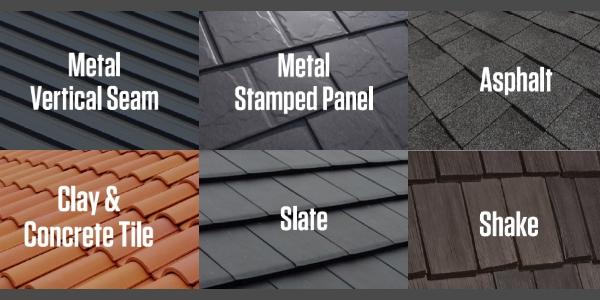
Residential Roof Types
When it comes to your home, the roof is one of the most critical components. It not only protects the structure from the elements but also contributes to the overall aesthetics and energy efficiency of the building. Whether you’re building a new home or replacing an existing roof, understanding the different types of residential roofs available can help you make an informed decision that suits your needs, budget, and style. This comprehensive guide will walk you through the various residential roof types, their benefits and drawbacks, and what to consider when choosing the right roof for your home.
Asphalt Shingle Roofs
Asphalt shingles are the most common roofing material in North America, known for their affordability, durability, and ease of installation. They are made from a base mat of fiberglass or organic material coated with asphalt and topped with mineral granules that provide color and UV protection.
Cost-Effective
Asphalt shingles are one of the most affordable roofing options available, making them a popular choice for many homeowners.
Variety
They come in a wide range of colors and styles, allowing you to customize the look of your roof to match your home’s design.
Durability
In the Corpus Christi area, 3-tab shingles typically last 12 to 18 years, architectural shingles 25 to 30 years, and impact-resistant shingles 30 years or more, depending on quality and maintenance.
Lifespan
While durable, asphalt shingles have a shorter lifespan compared to some other roofing materials like metal or tile.
Weather Resistance
While they perform well in moderate climates, extreme weather such as high winds or hail can damage asphalt shingles.
Metal Roofs
Metal roofing is gaining popularity due to its longevity, energy efficiency, and modern aesthetic. Metal roofs can be made from a variety of materials, including steel, aluminum, copper, and zinc.
Longevity
Metal roofs can last 40 to 60 years, significantly longer than traditional asphalt shingles.
Energy Efficiency
Metal roofs reflect solar heat, which can reduce cooling costs in hot climates.
Low Maintenance
Metal roofs require minimal maintenance and hold up well against weather-related damage from wind and rain.
Cost
Metal roofing is more expensive than asphalt shingles, both in terms of materials and installation.
Noise
During heavy rain or hailstorms, metal roofs can be noisier than other types of roofing, although this can be mitigated with proper insulation.
Clay and Concrete Tile Roofs
Clay and concrete tiles are a durable and visually appealing roofing option, particularly popular in Mediterranean, Spanish, and Southwestern-style homes. These tiles are known for their long lifespan and ability to withstand harsh weather.
Durability
Clay and concrete tiles can last 50 years or more, making them one of the most durable roofing materials available.
Fire Resistance
These tiles are non-combustible, providing excellent protection against fire.
Aesthetic Appeal
Clay and concrete tiles offer a unique, classic look that enhances the curb appeal of your home.
Weight
These tiles are heavy and may require additional structural support, which can increase the overall cost of installation.
High Cost
While they offer excellent longevity, the upfront cost of clay and concrete tiles is higher compared to other roofing materials.
Breakage
While durable, tiles can be prone to cracking or breaking under heavy impact, such as falling tree branches or severe hailstorms.
Slate Roofs
Slate is a natural stone that has been used for roofing for centuries. Known for its beauty and durability, slate is a premium roofing material that offers a timeless, elegant look.
Longevity
Slate roofs can last 75 to 100 years or more, making them one of the longest-lasting roofing materials.
Aesthetic Appeal
Slate provides a unique, luxurious appearance that can enhance your home’s value.
Fire and Weather Resistance
Slate is naturally fire-resistant and holds up well to harsh weather.
Expensive
Slate is one of the most expensive roofing materials, both in terms of material costs and installation.
Weight
Like clay and concrete tiles, slate is heavy and may require additional structural support.
Installation Complexity
Installing a slate roof requires specialized knowledge and skills, which can limit the availability of qualified contractors.
Wood Shake and Shingle Roofs
Wood roofing, including shakes and shingles, offers a natural and rustic look that complements a variety of home styles. Shakes are hand-split, providing a more textured appearance, while shingles are machine-cut for a smoother look.
Aesthetic Appeal
Wood roofs provide a warm, natural look that enhances the character of your home.
Insulation
Wood is a natural insulator, helping to regulate your home’s temperature and potentially reduce energy costs.
Sustainability
Wood is a renewable resource, and many manufacturers offer sustainably sourced options.
Maintenance
Wood roofs require regular maintenance, including treatments for fire resistance and protection against rot, mold, and insect damage.
Lifespan
The lifespan of a wood roof can vary depending on the type of wood used and the level of maintenance. Typically, wood roofs last between 20 and 40 years.
High Fire Risk
Unless treated, wood roofs are more susceptible to fire, which may not be suitable for areas prone to wildfires.
Synthetic Roofs
Synthetic roofing materials, also known as composite roofing, are made from a blend of materials designed to mimic the appearance of natural roofing materials like slate, wood, or tile. These materials offer the benefits of traditional materials without some of the drawbacks.
Durability
Synthetic roofs are designed to be lightweight yet durable, with many options lasting 30 to 50 years or more.
Affordability
While they mimic the look of premium materials, synthetic roofs are often more affordable than their natural counterparts.
Low Maintenance
Synthetic roofs require minimal maintenance and are resistant to common roofing issues like rot, mold, and insect damage.
Aesthetic Limitations
While synthetic materials can closely mimic the appearance of natural materials, some homeowners may prefer the authenticity of the real thing.
Environmental Impact
Some synthetic materials are made from petroleum-based products, which may have a higher environmental impact compared to natural options.
Flat Roofs
Flat roofs are commonly found on modern and minimalist-style homes. While they are more common in commercial buildings, flat roofs are becoming increasingly popular in residential construction due to their sleek design and functional benefits.
Cost-Effective
Flat roofs generally require fewer materials and less labor, making them a more affordable option.
Additional Space
Flat roofs can be used as additional living space, such as a rooftop deck or garden, providing a unique outdoor area.
Modern Aesthetic
The clean, simple lines of a flat roof offer a contemporary look that complements modern architectural styles.
Drainage
Flat roofs require a well-designed drainage system to prevent water from pooling, which can lead to leaks and structural damage.
Higher Maintenance
Flat roofs may require more frequent inspections and maintenance to stay watertight and free of debris.
Lifespan
Depending on the materials used, flat roofs may have a shorter lifespan compared to pitched roofs, typically lasting 10 to 25 years.
Green Roofs
Green roofs, also known as living roofs, are a sustainable roofing option that involves growing vegetation on top of the roof structure. Green roofs offer a range of environmental benefits and can be installed on both flat and sloped roofs.
Energy Efficiency
Green roofs provide natural insulation, reducing heating and cooling costs by regulating the temperature inside the home.
Environmental Benefits
Green roofs help reduce the urban heat island effect, improve air quality, and manage stormwater runoff by absorbing rainwater.
Aesthetic Appeal
Green roofs create a visually appealing, natural landscape that can enhance the overall look of your home.
Higher Cost
The installation and maintenance of green roofs can be more expensive than traditional roofing systems due to the need for specialized materials and expertise.
Structural Requirements
Green roofs are heavy, particularly when saturated with water, so your home may need additional structural support to accommodate the weight.
Regular Maintenance
Green roofs require regular maintenance, including watering, weeding, and fertilization, to keep the vegetation healthy.
About the Author
Anthony Gallo
I’m Anthony Gallo. At RISE Roofing, I combine a background in technology, operations, engineering, and customer service to deliver roofs that perform—and a customer experience that’s predictable and transparent. On this blog, I translate field notes and building science into checklists, cost‑benefit breakdowns, and maintenance plans you can actually use. You’ll see me write often about metal roofing (standing seam, metal tile, metal shingles, metal shake), balanced ventilation, storm prep and documentation, and ways to extend roof life through smart design and upkeep. My creativity is powered by dedication and focus for every one of our customers. -- Raising Standards, One Roof at a Time.
Industry resources from the National Roofing Contractors Association (NRCA).